Think of your favorite kitchen appliance—your trusty oven or reliable cooktop—like a car. You wouldn’t expect a car to run perfectly for years with just fuel; it needs occasional oil changes, tire rotations, and tune-ups to maintain its performance. Your cooking appliances are no different. That creeping feeling that your oven isn’t heating as evenly, your stove burners are weaker, or preheating takes forever isn’t just in your head. It’s the natural result of appliance wear and efficiency loss over time. But here’s the reassuring part: much of this appliance performance degradation can be slowed, and sometimes reversed, not with complex repairs, but with understanding and simple, safe habits. This guide will walk you through the “why” behind the decline—the hidden wear on elements and sensors—and the “how” of practical, safe upkeep to keep your meals cooking perfectly.
Appliance cooking performance declines due to normal wear on heating elements, sensors, and seals, combined with residue buildup. The safest fixes are regular, gentle cleaning of key components and avoiding common misuse habits that accelerate wear. Consistent, simple cooking appliance upkeep habits like wiping spills promptly and cleaning burner caps can significantly restore efficiency and extend the life of your stove or oven.
The Two Paths: Quick Fixes vs. Deeper Maintenance
When your oven takes forever to preheat or your stovetop heats unevenly, your response typically follows one of two paths. Understanding which path you’re on is the key to a practical, safe, and effective solution.
Path 1 is about habits and upkeep. This path addresses the performance loss caused by daily use—the grime, the minor neglect, and the small misuse habits that add up. The fixes here are things you can do yourself, safely and regularly, to restore a significant amount of your appliance’s original cooking appliance efficiency. Think of it as routine maintenance.
Path 2 acknowledges inherent wear. This path deals with the physical degradation of components inside your appliance. No amount of cleaning will fix a worn-out heating element or a failed temperature sensor. Recognizing the signs of this deeper appliance wear helps you decide when to call a professional, which is itself a crucial habit for long-term performance and safety.

Photo by Mathias Reding on Pexels
Why Your Appliance’s Heat Isn’t What It Used to Be
To understand why appliance cooking performance declines, you need to know what’s happening inside the machine. It’s rarely one catastrophic failure. More often, it’s a combination of several slow, normal processes.
1. Heating Element Degradation
Whether it’s the coiled burner on your stove or the bake element in your oven, these parts literally wear out. With each heating cycle, the metal expands and contracts. Over years, this can cause the element to thin in spots, develop micro-fractures, or simply become less efficient at converting electricity into consistent heat. The result? Longer preheat times, uneven heating, or elements that glow less brightly than they once did.
2. Sensor Calibration Drift
Your oven’s temperature sensor (or thermostat) is its brain for heat control. These components can slowly lose accuracy over time. A “lazy” sensor might think the oven is at 350°F when it’s actually only 300°F, leading to undercooked food and frustration. This appliance performance degradation is subtle but has a major impact on baking and roasting.
3. Seal Failure and Insulation Breakdown
The rubber gasket around your oven door is critical for holding heat in. As it ages, it can become brittle, cracked, or compressed, allowing hot air to leak out. This forces the oven to cycle on more frequently to maintain temperature, wasting energy and creating hot spots. Similarly, internal insulation can degrade, reducing overall thermal efficiency.
4. Conductive Grease Breakdown and Residue Buildup
Many appliance controls and connections use special grease to ensure good electrical contact and smooth operation. This grease can dry out or become contaminated over decades, leading to poor connections that affect performance. Furthermore, accumulated grease and food residue inside the appliance act as insulation, trapping heat where you don’t want it and interfering with sensors and airflow, a key factor in declining appliance heating performance.
The Safest Daily & Weekly Habit Fixes (Path 1)
This path is your first and most powerful line of defense. Consistent, gentle cooking appliance upkeep habits can counteract much of the performance loss attributed to buildup and minor misuse.
Do: The Gentle Cleaning Routine
For stovetops: Wipe up spills after the surface cools (but before they bake on). Weekly, remove burner caps and grates to wash them with warm, soapy water, clearing clogged ports with a toothpick or pin. For glass cooktops, use a dedicated cleaner and a soft scraper for stubborn spots—never abrasive pads.
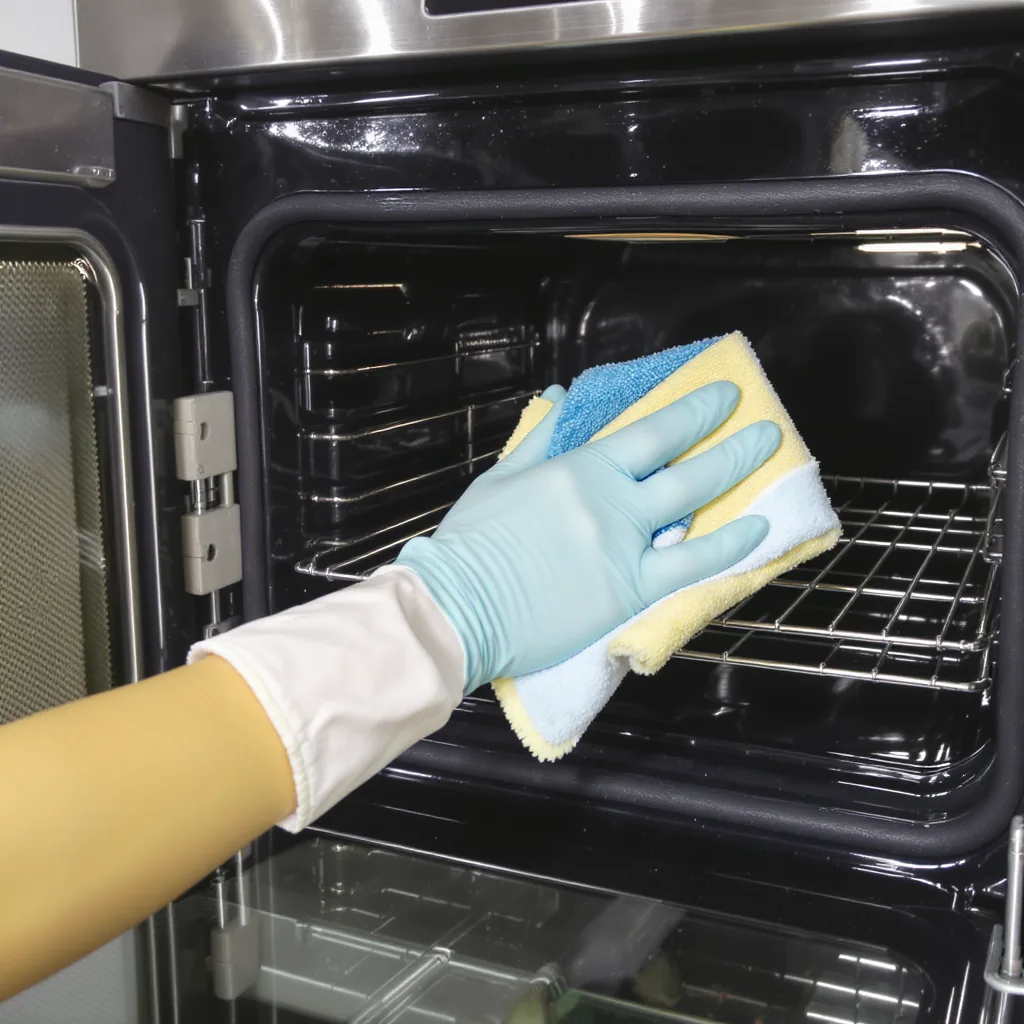
For ovens: Use the self-clean cycle sparingly (the extreme heat can stress components). For regular upkeep, a paste of baking soda and water applied to cool surfaces, left overnight, and wiped away is effective and gentle. Always remove loose debris from the oven floor to prevent burning and smoke.
Don’t: The Common Misuse Habits
Avoid slamming the oven door. This can damage the hinge and compromise the seal’s integrity. Close it gently.
Don’t overload your cooktop. Using oversized pots or covering multiple burners with a single griddle restricts airflow and can cause overheating, straining the elements and controls.
Resist using “boost” or high-broil settings constantly. Running heating elements at their maximum output for prolonged periods accelerates wear. Use high heat for searing or boiling, then reduce to a maintainable level.
When Habits Aren’t Enough: Recognizing Deeper Wear (Path 2)
If you’ve established good upkeep habits but problems persist, you’re likely facing Path 2: component wear. Recognizing these signs saves you time and guides a smart decision.
Clear Indicators of Component Failure
Persistent, significant temperature inaccuracy: If an oven thermometer consistently shows a difference of 25-50°F or more from your set temperature, the sensor or control board is likely faulty. This is a core issue of appliance wear and efficiency.
Visible damage to heating elements: Look for obvious blisters, cracks, or sections that don’t glow. A partially working element will cause uneven cooking.
Unusual noises or error codes: Loud buzzing, relentless clicking, or the appearance of fault codes (like F or E codes) are your appliance’s way of saying a component has failed. Refer to your manual, but these often require a pro.
Making the Call: Service vs. Replace
For appliances under 8-10 years old, professional repair is often a cost-effective way to extend their life. A technician can replace worn elements, recalibrate sensors, and test seals. For older units, especially if multiple major components are failing, replacement might be the more reliable and energy-efficient choice. This decision point is a normal part of maintaining cooking appliance efficiency over its full lifespan.
Keep Cooking With Confidence
Some decline in appliance cooking performance is a normal fact of ownership, but it doesn’t have to mean premature failure or constant frustration. By understanding the two paths—tackling buildup with safe habits and recognizing when wear requires a pro—you take control. Your appliances are tools designed to last for years with proper care.
The safest next step is also the simplest: pick one habit from Path 1 and implement it this week. Give your oven a gentle clean, or finally degrease those burner caps. You’ll likely notice a difference in performance immediately, proving that a little mindful upkeep goes a very long way.