Does cleaning your stainless steel stove with the wrong spray leave streaks, or are you worried about scratching your glass cooktop? You’re not alone. The frustration of a one-size-fits-all cleaner is real, often leaving surfaces looking worse or, over time, causing real damage. The truth is, the best way to clean cooking appliances isn’t about finding a single miracle product—it’s about matching your method to the material. This guide cuts through the confusion, offering clear, safe, and effective protocols for every common surface in your kitchen, from gleaming stainless steel to delicate nonstick interiors. By understanding the specific needs of each material, you can achieve a spotless kitchen without the guesswork or the risk.
The best way to clean cooking appliances is to match your method to the material. Start by identifying the surface: is it stainless steel, glass ceramic, nonstick, or painted enamel? For stainless, use a dedicated spray or a vinegar-water mix, wiping in the direction of the grain to prevent streaks. For glass cooktops, a ceramic cleaner and a razor scraper (gently) tackle baked-on spills. For nonstick interiors, stick to warm soapy water and soft cloths, avoiding abrasive scrubbers that can damage the coating.
Your Pre-Cleaning Checklist: Gather the Right Tools
Before you touch a single appliance, take two minutes to gather the right tools. Using the wrong sponge or spray is how most cleaning damage happens. Having these items on hand turns a frustrating chore into a simple, safe process.
Here’s your essential, material-specific toolkit:
- Microfiber cloths: The MVP of appliance cleaning. They’re lint-free, absorbent, and gentle enough for almost every surface. Have several on hand.
- Dedicated cleaners: Don’t rely on a single all-purpose spray. Look for a stainless steel cleaner (or polish), a ceramic glass cooktop cleaner, and a mild dish soap for everything else.
- Soft scrapers: A plastic or single-edge razor blade scraper (used gently and with cleaner as a lubricant) is non-negotiable for baked-on spills on glass cooktops.
- Soft-bristled brushes or non-scratch sponges: For textured surfaces or corners without the risk of scratches. Avoid anything labeled “heavy-duty” or “scouring.”
- White vinegar and distilled water in a spray bottle: A fantastic, inexpensive solution for stainless steel and glass, cutting through grease without harsh chemicals.
- Isopropyl alcohol (70% or higher): Great for a final, streak-free polish on stainless steel and glass after cleaning.
With this kit, you’re ready to tackle any surface safely. This is the foundation of any good appliance cleaning guide by material.
Material-by-Material Cleaning Guide
Photo by deep Bhullar on Pexels
Now, let’s get specific. Match your method to the material for the best results and to protect your investment.
Stainless Steel (Refrigerators, Ovens, Dishwashers)
For stainless appliance cleaning efficiency
Recommended: Dedicated stainless steel cleaner/spray, a 50/50 mix of white vinegar and water, or a few drops of dish soap in warm water.
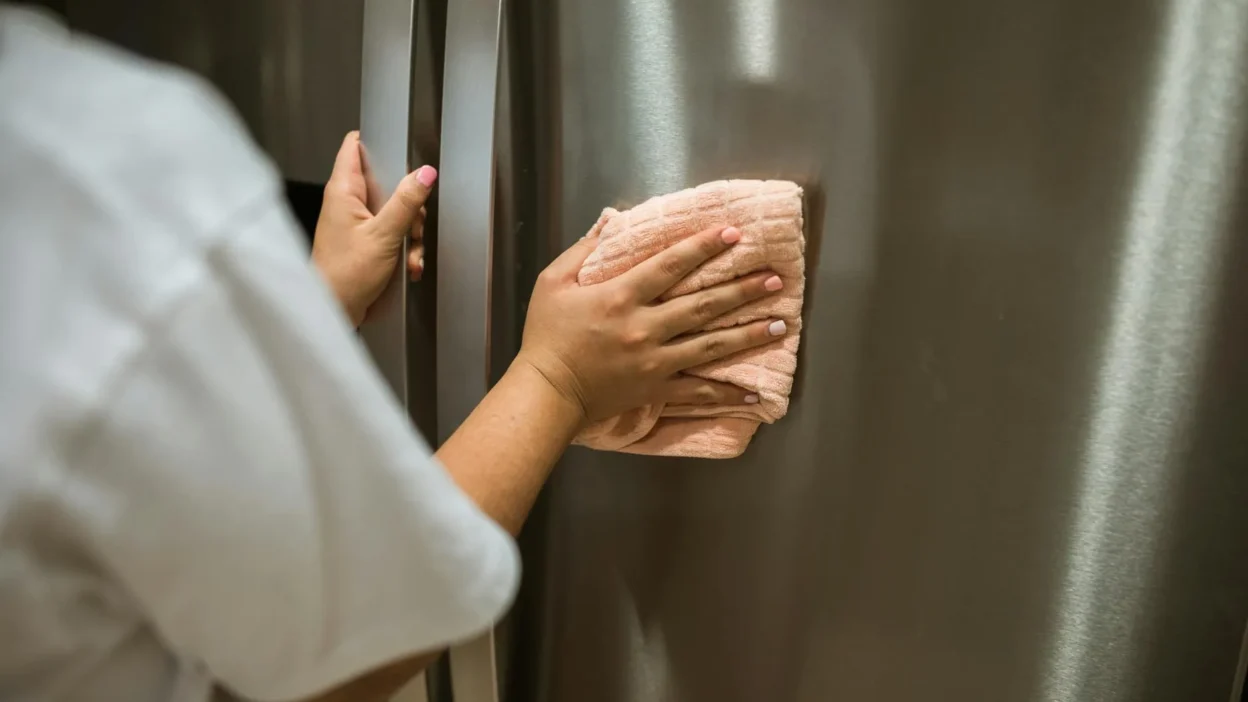
Method: Spray your cleaner onto a microfiber cloth (not directly on the appliance to avoid drips). Wipe firmly in the direction of the grain—those faint brushed lines. For stubborn fingerprints or water spots, a second pass with a cloth dampened with rubbing alcohol works wonders. Dry with a clean, dry microfiber.
Avoid: Steel wool, abrasive pads, bleach-based cleaners, or circular wiping motions, which will create tiny scratches and ruin the finish.
Glass & Ceramic Cooktops
These smooth surfaces are easy to clean if you act quickly but can be scratched by abrasives.
Recommended: Ceramic/glass cooktop cleaner and a soft scraper. For daily wipes, the vinegar/water spray works.
Method: Let the cooktop cool completely. Sprinkle cooktop cleaner over the surface, then gently buff with a damp non-scratch pad or cloth in a circular motion to lift residue. For stubborn, burnt-on food, apply cleaner, let it sit for a few minutes, then gently glide a razor scraper at a 45-degree angle to lift it off. Wipe clean with a damp cloth and dry.
Avoid: Abrasive cleansers (like baking soda paste if not fully dissolved), scrubby sponges, or using the scraper dry, which will gouge the glass.
Nonstick Interiors (Ovens, Air Fryers, Pans)
Nonstick appliance care is all about preserving that coating. Harsh scrubbing wears it down, causing food to stick later.
Recommended: Warm, soapy water and soft cloths or sponges. For baked-on grease in ovens, use a non-abrasive, nonstick-safe oven cleaner (check the label).
Method: For daily cleaning, wipe with soapy water and rinse. For tougher jobs, let warm, soapy water soak on the surface for 10-15 minutes to loosen residue before wiping. Always rinse thoroughly.
Avoid: Abrasive scrubbers, steel wool, harsh oven cleaners not labeled safe for nonstick, and abrasive powders. These will create micro-scratches that degrade the nonstick properties.
Painted Enamel (Older Stoves, Some Range Hoods)
This durable, colored finish is common on classic stovetops. It’s tough but can chip and stain.
Recommended: Mild dish soap, baking soda paste (for stains), and a soft cloth.
Method: Wipe with a soapy cloth to remove grease. For stains or discoloration, make a paste of baking soda and water, apply, let sit for 15 minutes, then gently rub with a soft cloth and rinse.
Avoid: Abrasive cleaners or pads that can scratch the gloss, and bleach, which can discolor the paint.
Cast Iron (Grill Pans, Dutch Ovens)
Cast iron isn’t just cleaned; it’s maintained to preserve its seasoned, non-stick patina.
Recommended: Coarse salt, a stiff brush (not metal if seasoned), hot water, and a towel.
Method: While still warm (not hot), scrub the surface with coarse salt and a brush to lift food bits. Rinse briefly with minimal hot water (avoid soap), dry immediately and thoroughly with a towel, then apply a very thin layer of oil to prevent rust.
Avoid: Dish soap (on well-seasoned pans), soaking in water, or using the dishwasher, which will strip the seasoning and cause rust.
Dos and Don’ts for Appliance Longevity
Beyond specific cleaners, your daily habits determine how long your appliances look and perform like new. Follow these universal rules to maintain cooking appliances effectively.
Do: Wipe up spills as soon as the surface is safe to touch. This prevents staining and baked-on messes.
Don’t: Let sugary spills or acidic foods (like tomato sauce) sit on any surface, especially stainless steel or glass.
Do: Use the mildest cleaner effective for the job. Start with soapy water or a vinegar solution.
Don’t: Use all-purpose abrasive powders or oven cleaner on external surfaces like stainless steel or painted finishes.
Do: Read your appliance’s manual for manufacturer-specific care instructions.
Don’t: Assume all stainless steel or glass is the same; some finishes have special coatings.
Do: Rinse and dry surfaces after cleaning with any product to prevent film or residue buildup.
Don’t: Use excessive water, especially on electrical control panels or near seals and vents.
Common Cleaning Mistakes (And How to Fix Them)
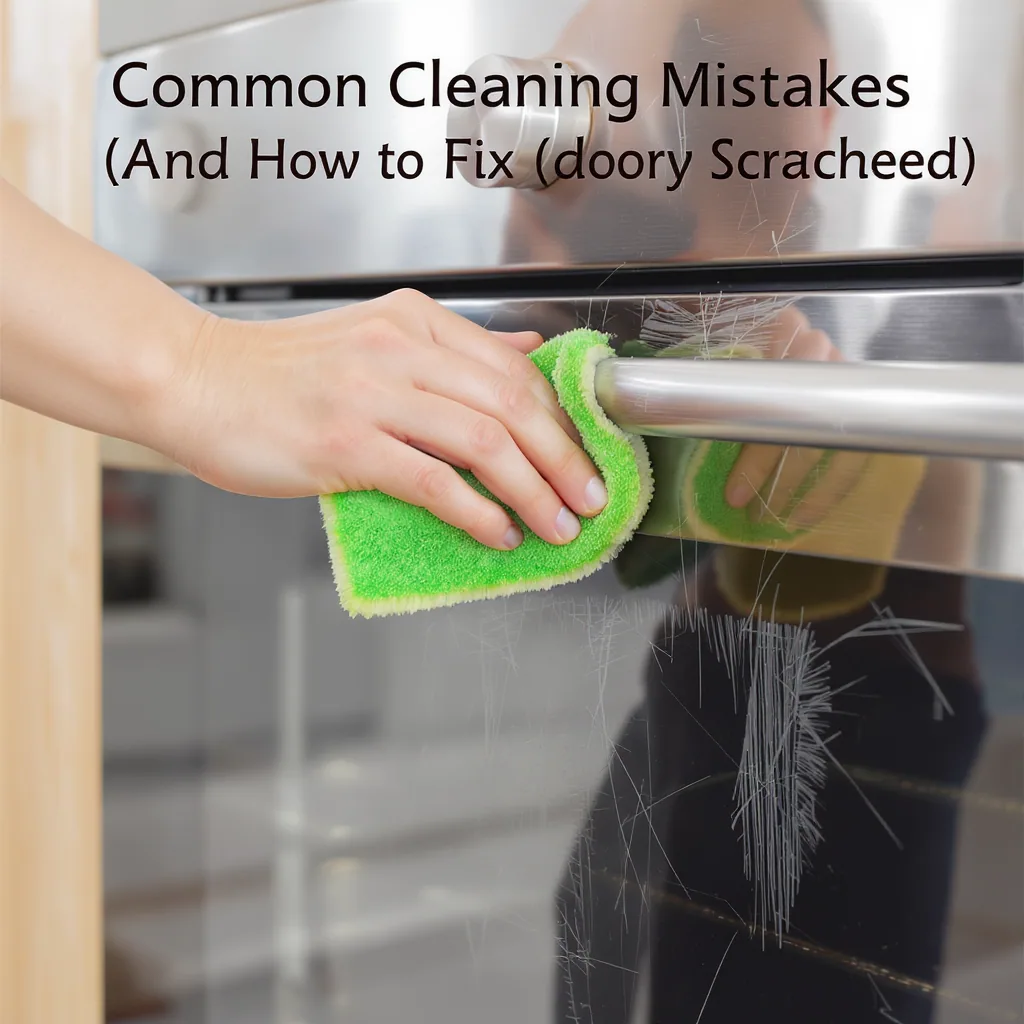
We’ve all made a cleaning error. Here’s how to identify common ones and, if possible, correct the damage.
Mistake: Using an all-purpose spray or glass cleaner on stainless steel.
Why it’s bad: These cleaners often contain ammonia or waxes that leave streaky, smeary films on stainless steel instead of a clean shine.
The fix: Wash the surface with dish soap and water to remove the film, then use a proper stainless steel cleaner or vinegar solution, wiping with the grain.
Mistake: Scrubbing a glass cooktop with an abrasive sponge.
Why it’s bad: This creates fine scratches (called “spiderwebbing”) that cloud the glass and become more noticeable when the cooktop is on.
The fix: Minor scratches may be less visible if you keep the cooktop impeccably clean. For prevention and future cleaning, only use non-scratch pads and the proper scraper.
Mistake: Using a steel wool pad or harsh powder on a nonstick oven interior.
Why it’s bad: This permanently scratches and degrades the nonstick coating, causing food to stick permanently and potentially flaking into food.
The fix: Unfortunately, deep scratches cannot be repaired. You can slow further damage by switching to only soft cloths and non-abrasive cleaners immediately. For severe damage, consult the manufacturer about re-coating or replacement.
Mistake: Ignoring the grain direction on stainless steel.
Why it’s bad: Wiping in circles or against the grain highlights every fingerprint and smudge, making the appliance look perpetually dirty.
The fix: Make a conscious effort to always wipe in the direction of the grain. It’s the single biggest trick for stainless appliance cleaning efficiency and a professional look.
The Smart Cleaner’s Tradeoff
The tradeoff for a spotless, long-lasting kitchen isn’t more elbow grease or expensive products—it’s using the right technique for each material. Taking an extra sixty seconds to identify whether you’re dealing with stainless steel, glass, or nonstick and then following the matched method saves you hours of frustration and money on premature repairs or replacements.
Armed with this material-by-material guide, you can move from guessing to knowing. Your appliances are a significant investment; cleaning them correctly is the simplest way to protect it. Ditch the one-size-fits-all approach and start cleaning with confidence.