You pull a still-damp towel from the dryer after a full cycle. Your fridge hums constantly, yet the milk is never quite cold enough. Your oven bakes a casserole with a burnt top and a lukewarm center. These aren’t signs your appliances are dying; they’re the subtle, frustrating symptoms of a performance issue you can actually fix. The culprit is almost always the same: a breakdown in the fundamental relationship between cleaning, airflow, and heat transfer. When dust, lint, and grease accumulate on vents, coils, and fans, they create a layer of insulation that traps heat where it shouldn’t be and blocks the airflow needed to carry it away. This forces your refrigerator, dryer, oven, and air conditioner to work harder and longer, driving up your energy bills and shortening their lifespans. This guide cuts through the complexity, showing you how to diagnose these silent efficiency killers and restore your appliances to their peak performance with straightforward maintenance anyone can do.
The most effective way to maintain appliance performance and prevent breakdowns is through regular, systematic cleaning of key components like condenser coils, dryer vents, and oven fans to ensure unrestricted airflow and efficient heat transfer. This isn’t about reacting to a failure, but preventing it. By dedicating a few minutes to these simple tasks, you can restore cooling power, reduce cycle times, lower energy consumption, and significantly extend the life of your major appliances. It’s the ultimate form of preventive, cost-saving home care.
The Silent Performance Killers: How Dirt Disrupts Your Appliances
Your appliances aren‘t magic boxes; they’re heat-moving machines. Whether it’s your fridge pulling warmth from your groceries or your dryer pushing hot, moist air outside, they all rely on the same basic principle: efficient heat transfer. This happens in three main ways—conduction (heat moving through solid contact, like a hot oven coil), convection (heat moving via air or fluid, like your fridge’s fan), and radiation (heat radiating from a surface, like a broiler element). When these processes work smoothly, your appliance runs quietly, quickly, and cheaply.
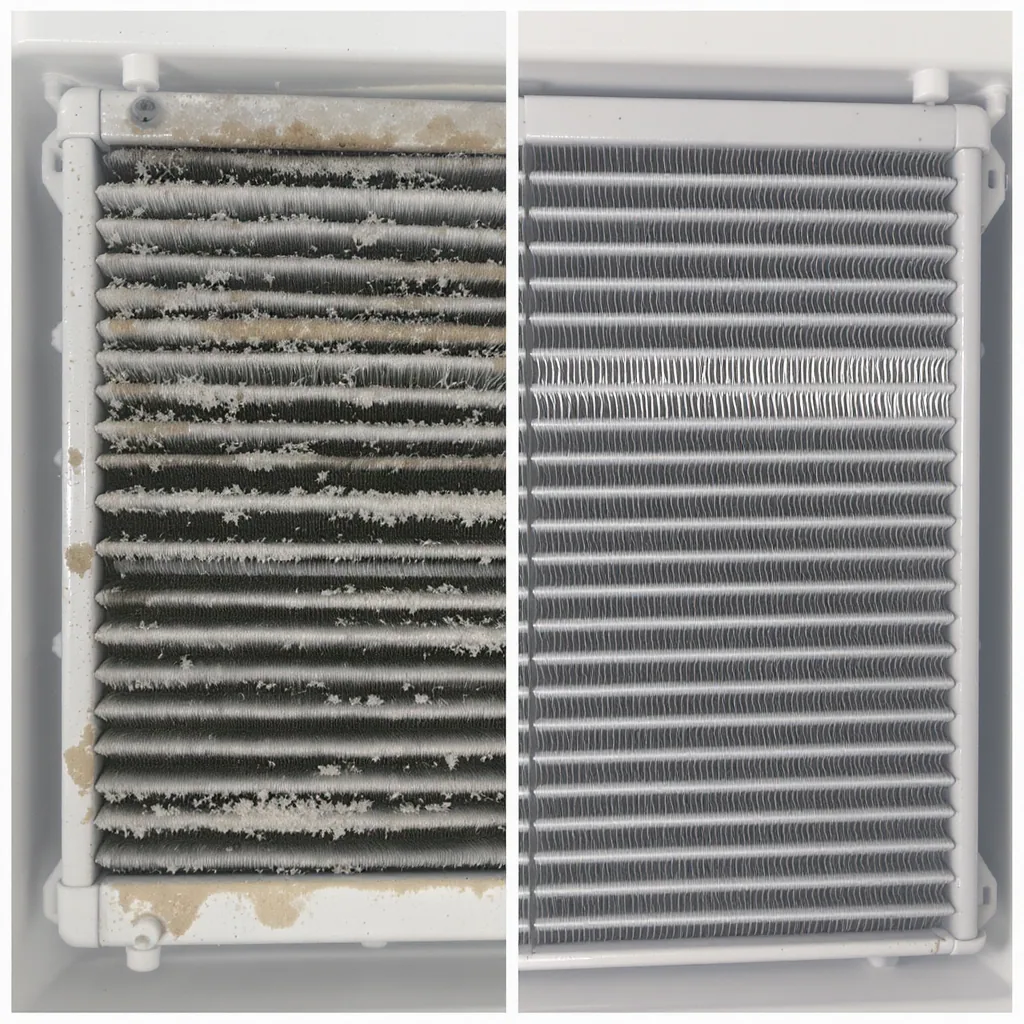
The enemy of this smooth operation is simple: grime. A layer of dust on a refrigerator’s condenser coils acts like a winter coat, trapping heat where it shouldn’t be. Grease buildup on an oven fan bakes into a sticky insulator, slowing airflow. Lint packed into a dryer vent creates a literal wall, forcing heat and moisture back into the drum and the machine itself. This is the direct link between kitchen appliance cleaning for performance and your utility bill. The appliance has to work harder and longer to achieve the same result, leading to the classic symptoms: longer dry times, a fridge that runs constantly, uneven oven temperatures, and a noticeable spike in energy use. The U.S. Department of Energy notes that simple maintenance, like cleaning coils, can improve appliance heat transfer efficiency by up to 30% in some cases, making this a high-impact task.
Diagnosing Airflow and Heat Problems: A Room-by-Room Guide
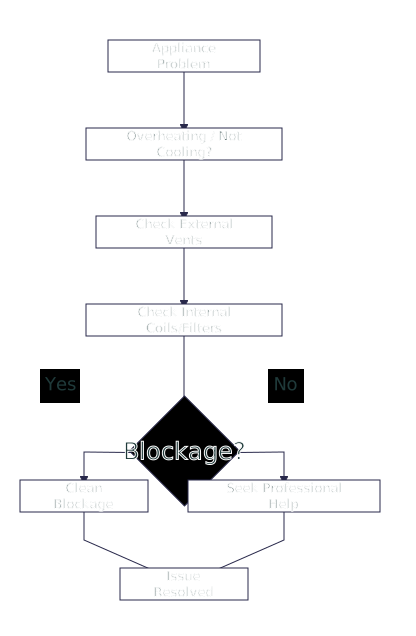
Before you grab your tools, take a moment to diagnose. The symptoms your appliance shows will point directly to the component that needs attention. Here’s a room-by-room guide to connect the dots. Remember, this is for educational purposes to guide maintenance; for complex electrical or gas issues, always consult a professional.
Kitchen: The Refrigerator
Symptoms: The exterior (especially the bottom front or back) is warm or hot to the touch. The compressor runs almost constantly. Interior cooling is weak or uneven, and food spoils faster.
Likely Culprit: Dirty condenser coils. These coils, usually located on the back or across the bottom behind a kickplate, release heat from the fridge. When coated in dust and pet hair, they can’t shed heat effectively.
Kitchen: The Oven & Range
Symptoms: Uneven baking or broiling, longer pre-heat times, smoke during normal use (not from spills), or a persistent greasy smell.
Likely Culprit: Blocked ventilation or a greasy convection fan. Grease and food particles can clog vents above the stove or coat the fan inside a convection oven, disrupting the airflow needed for even heat distribution.
Laundry: The Dryer
Symptoms: Clothes take two or three cycles to dry, the dryer feels extremely hot to the touch, the laundry room becomes humid, or you notice a musty smell.
Likely Culprit: A clogged lint filter, internal duct, or, most critically, the external vent cap. A full blockage is a major fire hazard and drastically reduces appliance airflow maintenance.
Comfort: Window AC or Heat Pump
Symptoms: Reduced cooling/heating power, ice forming on the coils, higher energy bills, or the unit frequently cycling on and off.
Likely Culprit: Dirty evaporator or condenser coils (the fins you see). Outdoor units suck in leaves and dirt, while indoor units collect dust, both insulating the coils and choking airflow.
Your Essential Cleaning Toolkit & Safety First
You don’t need a garage full of tools for effective cleaning airflow and heat transfer appliance maintenance. A few basics will handle 90% of the jobs:
- Vacuum cleaner with brush attachment: The MVP for sucking up dust from coils, vents, and cavities.
- Soft-bristle brushes: A paintbrush or specialty coil brush to gently dislodge debris without bending delicate fins.
- Microfiber cloths: For wiping down surfaces and capturing fine dust.
- Appropriate cleaners: A degreaser for kitchen fans, mild soapy water for exteriors, and optionally, a no-rinse coil cleaner spray for AC/refrigerator coils.
- Dishwashing gloves & safety glasses: Protection from dust, grime, and chemical splashes.
Safety is non-negotiable. Always unplug the appliance before starting any work. For dryers and ranges, you may also need to turn off the gas supply valve if you’re disconnecting ducts or moving the unit. Never use water or liquid cleaners near electrical components, motors, or controls. If you’re unsure about accessing a part, dealing with refrigerant lines (the sealed system in fridges and ACs), or handling gas connections, stop and call a qualified technician. This guide is for preventive maintenance, not complex repairs.
The Maintenance Routines: Step-by-Step for Key Appliances
Here are the high-impact, routine cleaning tasks that will restore efficiency and prevent problems. Think of these as the core of your appliance performance cleaning habit.
DO: Unplug the fridge. Locate the condenser coils (consult your manual—they’re often behind a bottom front grill or on the back).
DON’T: Use sharp objects or a stiff wire brush that can puncture the coils or bend the fins.
DO: Use your vacuum’s brush attachment to gently remove the dust layer. Follow up with a soft brush to get between the fins.
DON’T: Neglect the area around the compressor and fan if accessible; dust accumulates there too.
DO: Clean the lint filter after every load with your hand. Every 6-12 months, disconnect the dryer from the vent duct (usually a clamp or foil tape).
DON’T: Assume the outside vent cap is clear just because the lint trap is clean.
DO: Vacuum out the duct from the dryer side and go outside to clear the vent cap of lint, bird nests, or debris. Use a vent cleaning brush for long runs.
DON’T: Use a plastic or vinyl duct; only use rigid or flexible metal ducting approved for dryers.
DO: For convection ovens, once the oven is cool, remove the fan cover (if accessible per manual) and gently clean blades with a degreaser and cloth.
DON’T: Spray cleaner directly into the motor housing or electrical components.
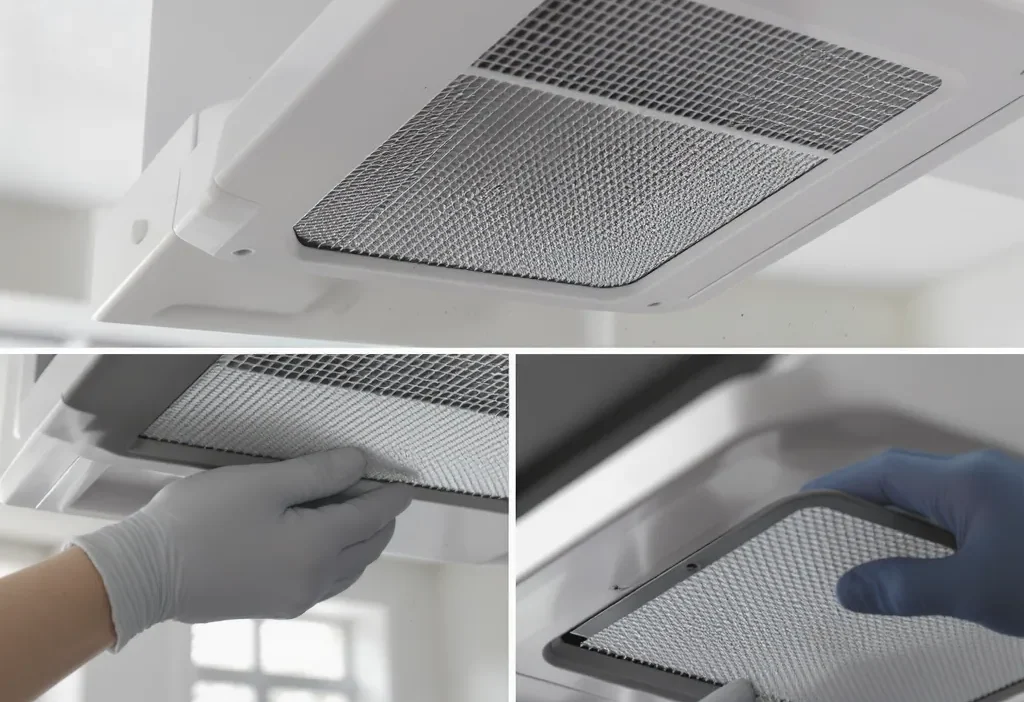
DO: Wipe down the range hood filter monthly with degreaser or run it through the dishwasher if it’s metal and dishwasher-safe.
DON’T: Let grease build up to the point where it drips or becomes a fire risk.
DO: For window ACs, remove the filter and wash it monthly. For the coils, use a soft brush and vacuum, or a coil cleaner spray following the product instructions.
DON’T: Hose down a window unit or central AC condenser while it’s electrically connected. Use low pressure if rinsing after cleaning.
Common Maintenance Mistakes That Make Things Worse
Good intentions can backfire if you use the wrong technique. Avoid these common pitfalls that can damage your appliances or reduce their heat transfer efficiency further.
Using abrasive tools on delicate fins: The aluminum fins on AC and refrigerator coils bend easily. Bent fins block airflow more than dust. Always use a soft brush and work gently in the direction of the fins.
Forcing water into electrical areas: Water and electricity are a dangerous mix. Never spray water or liquid cleaners directly into vents, motor housings, or control panels. Use a damp cloth for surfaces and a vacuum for dust.
Neglecting the external dryer vent cap: This is the #1 oversight. You can clean the internal duct all day, but if the exterior flap is clogged, airflow is still blocked. Make checking the outside vent a bi-annual ritual.
Using the wrong vacuum (or no bag): A vacuum without a filter bag or with a poor filter will simply blow fine dust back into the air and deeper into the appliance. Use a vacuum with good filtration for this task.
Assuming ‘out of sight’ means ‘clean’: The most critical components for appliance thermal efficiency are often hidden. Coils are tucked away, and ducts run through walls. Schedule checks for these hidden areas; don’t wait for a performance crisis.
Building a Habit, Not Just Fixing a Problem
The goal of this guide isn’t to send you into a frantic, one-time cleaning spree. It’s to shift your mindset from reactive troubleshooting to proactive, preventive care. Viewing appliance cleaning for performance as a regular, simple habit—like changing a furnace filter—transforms it from a chore into an act of self-reliance.
This routine maintenance pays dividends far beyond a slightly cooler fridge. It directly reduces strain on motors and compressors, the most expensive parts to replace, significantly extending your appliance’s lifespan. It lowers your monthly energy consumption, putting money back in your pocket. Most importantly, it mitigates safety risks, like lint fires in dryers or overheating components. This weekend, pick just one appliance from the guide—perhaps the one that’s been subtly underperforming—and give it the 20-minute refresh it needs. You’ll likely be surprised by the immediate difference it makes.
The core principle of appliance performance is simple: clean airflow enables efficient heat transfer. When vents, coils, and fans are clogged with dust, lint, or grease, they act as insulators, forcing your appliance to work harder and longer. This leads to higher energy bills, premature wear, and safety hazards.
Focus your maintenance on three key zones: condenser coils (on fridges and ACs), vent ducts and filters (on dryers and range hoods), and internal fans (in ovens and refrigerators). Regular cleaning of these components restores efficiency, prevents overheating, and is the most effective form of preventive maintenance for appliances you can do yourself.