You bought that sleek, energy-efficient oven or induction cooktop with the promise of lower bills and a lighter footprint. Yet, months or years later, your energy statement tells a different story. The culprit isn’t a faulty appliance or rising rates alone—it’s the silent, gradual decline in performance caused by everyday use without proper care. Grease builds up, seals weaken, sensors drift, and what was once a model of efficiency becomes a source of hidden waste. The good news is that this isn’t a permanent sentence. With a targeted approach to appliance maintenance for energy-saving cooking, you can restore your kitchen workhorses to their peak performance. This guide moves beyond vague advice to deliver a practical toolkit and a clear, foundational protocol. By focusing on the few components that matter most, you’ll not only slash your energy consumption but also extend the life of your investments, turning routine upkeep into a powerful tool for savings and sustainability.
The most effective way to ensure your cooking appliances use minimal energy is through regular, simple maintenance of key components like door seals, burner elements, and sensors. This routine upkeep prevents energy waste by ensuring heat is contained, combustion is complete, and temperatures are accurate, which directly lowers your utility bills. Think of it as calibrating your tools for precision, where every cleaned burner port and every checked gasket translates to less wasted electricity or gas.
Your Energy-Saving Maintenance Toolkit: The Core Components
Think of your kitchen appliances as systems, not just boxes that heat food. Their efficiency depends on a few critical components working in harmony. Before you grab a cleaning spray, understanding this toolkit—the parts that most directly impact energy use—will make your maintenance efforts far more effective. This is the foundation of true cooking appliance efficiency maintenance.
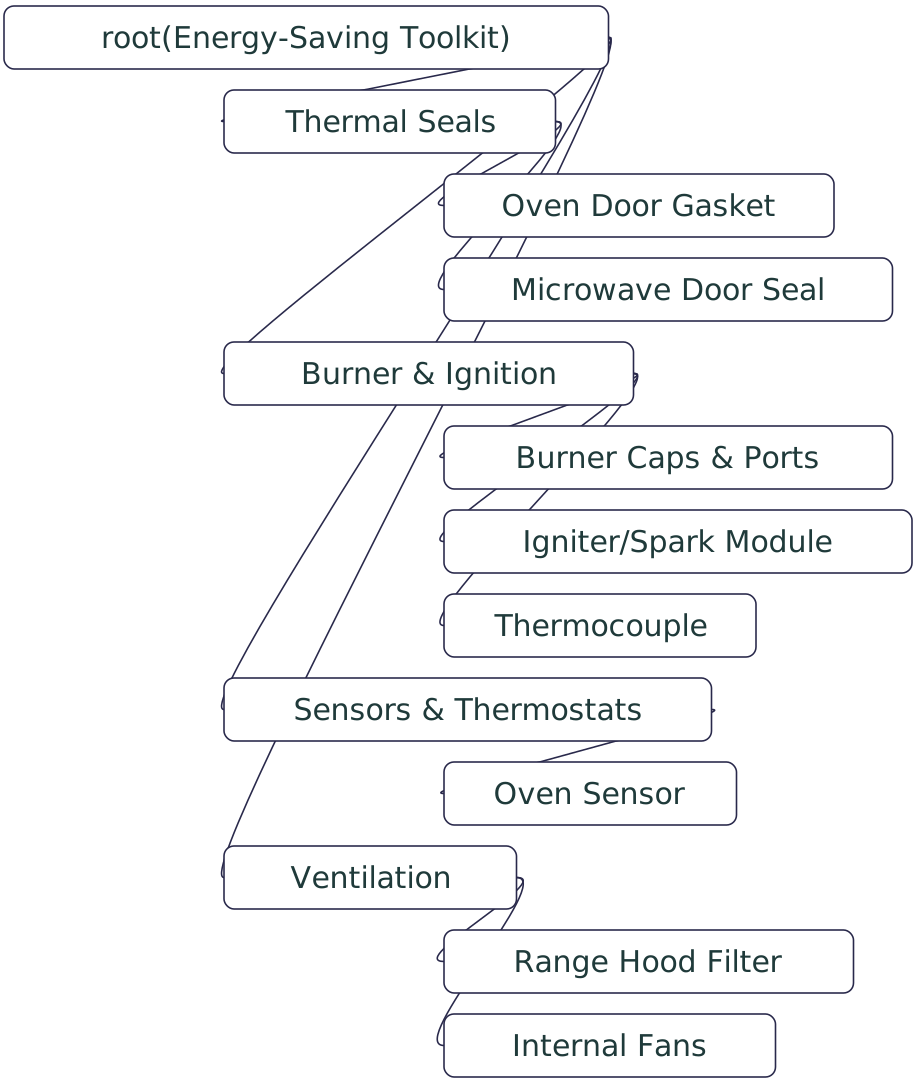
Thermal Seals
Any gap in an appliance’s seal is a direct leak for expensive heat or cool air. For ovens and microwaves, a compromised door gasket forces the appliance to work harder and longer to maintain temperature, wasting significant energy. A tight seal ensures all the generated energy stays inside, cooking your food.
Burner & Ignition Systems
On stoves and cooktops, efficiency is all about clean, complete combustion (for gas) or unimpeded heat transfer (for electric/induction). Clogged gas ports produce a lazy, yellow flame that wastes fuel. Dirty electric coil contacts or cracked radiant elements resist electricity, generating heat inefficiently. A weak igniter on a gas oven struggles to light, wasting gas before the cycle even begins.
Sensors & Thermostats
These are the “brains” telling your appliance when to turn on and off. A dirty or faulty oven sensor gives incorrect temperature readings, causing the oven to overheat or cycle excessively. A malfunctioning thermocouple on a gas oven can prevent the safety valve from opening fully, reducing flame output and increasing cook time. Calibration is key.
Ventilation
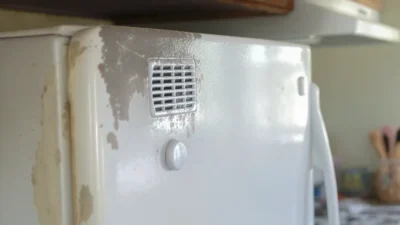
Proper airflow is non-negotiable for safety and performance. A clogged range hood filter reduces its ability to remove heat and combustion byproducts, forcing your kitchen AC to work overtime. Blocked vents on microwaves or convection ovens can cause components to overheat and shorten their lifespan, leading to premature failure and replacement.
The 10-Step Foundational Maintenance Protocol
This universal checklist is your action plan. Perform these steps quarterly, or semi-annually for lighter-use appliances, to systematically keep appliances efficient. Always disconnect power (unplug or shut off the circuit breaker) and allow appliances to cool completely before starting. systematically keep appliances efficient

- Visual Inspection & Power Down: Look for obvious damage, frayed wires, or discoloration. Then, safely cut power to the appliance.
- Seal Integrity Check: For ovens and microwaves, close the door on a dollar bill. If you can pull it out easily, the seal is worn and needs replacement.
- Deep Clean Burners & Elements: Remove burner caps, grates, and electric coils. Soak and scrub ports and contacts with a soft brush and appropriate cleaner to remove food debris and grease.
- Igniter & Spark Module Inspection: For gas appliances, visually check the igniter for cracks or excessive wear. Listen for a consistent, rapid spark when you turn a knob (without gas flowing).
- Interior Degreasing: Clean the oven interior, stovetop drip pans, and microwave ceiling/walls with a non-abrasive cleaner. Buildup acts as insulation, forcing longer cook times.
- Vent & Filter Service: Remove and wash range hood filters in hot, soapy water. Vacuum dust from external vents and internal fan areas (when accessible).
- Sensor & Probe Cleaning: Gently wipe the oven temperature sensor (usually a metal rod in the back) with a damp cloth. Clean any visible thermostat probes.
- Calibration Test: Use an independent oven thermometer to check your oven’s temperature accuracy against its display. Refer to your manual for calibration instructions if it’s off by more than 25°F.
- Reassembly & Safety Check: Ensure all parts are completely dry and correctly reinstalled. For gas appliances, perform a leak check with soapy water on connections after restoring gas.
- Performance Run: Run the oven empty at 350°F for 15 minutes to burn off any cleaner residue. Test all burners and functions to ensure proper operation.
Appliance-Specific Routines: Ovens, Ranges, Cooktops & Microwaves
Now, let’s apply the core protocol with specifics for each appliance type. This tailored approach ensures you’re addressing the unique efficiency quirks of your kitchen’s workhorses.
Electric & Gas Ovens/Ranges
The priority here is accurate temperature and contained heat. For maintaining cooking appliances for efficiency, focus on the seal and sensor. Use the dollar bill test religiously. Calibrate annually using an oven thermometer. Avoid using the pyrolytic (self-cleaning) cycle more than a few times a year, as the extreme heat can damage sensors and thermal fuses. Instead, use a steam-cleaning function or a natural paste of baking soda and water for routine cleaning.
Gas Cooktops & Burners
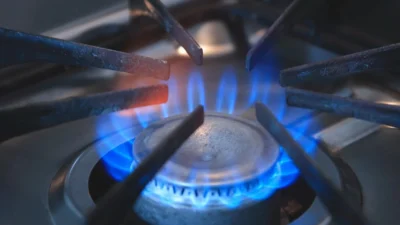
Your goal is a crisp, blue flame. A yellow or orange flame indicates incomplete combustion, wasting gas and producing carbon monoxide. Regularly remove burner caps and bases to clean the tiny ports with a needle or straightened paperclip. Ensure the burner heads are sitting level and the igniter sparks are aligned with the gas ports. This simple appliance upkeep for lower energy bills is highly effective.
Electric Coil & Smoothtop Ranges
For coil elements, ensure the terminals are clean and making full contact in the socket. A dark, pitted spot indicates arcing and inefficiency—consider replacing the coil. For glass smoothtops, use only recommended cleaners and a razor scraper for stubborn residue. A film of burnt-on food creates a barrier between the element and your cookware, slowing heat transfer.
Induction Cooktops
While they have fewer parts to maintain, the surface must be impeccably clean and smooth. Any residue or microscopic scratches can create air gaps, reducing the magnetic coupling efficiency. Use ceramic glass cleaner and avoid sliding pots. Also, ensure your cookware is flat-bottomed and magnetic for optimal performance.
Microwaves
Efficiency loss here often manifests as longer heating times. Clean the interior, especially the ceiling where the magnetron waveguide cover is located (a mica or cardboard plate). Do not remove it, but wipe it gently. Ensure the door closes securely and the seal is intact. A dirty or damaged seal can allow energy to leak, which is both inefficient and a potential safety hazard.
Common Maintenance Mistakes That Waste Energy
Even with good intentions, certain habits can undermine your efforts. Avoiding these pitfalls is just as important as performing the right tasks.
- Overusing the Self-Clean Cycle: This feature can use more energy in a few hours than dozens of normal bakes. The extreme heat also stresses heating elements, thermal sensors, and door seals, potentially shortening the appliance’s life.
- Ignoring a Yellow Gas Flame: Dismissing this as “normal” is a classic error. A yellow flame means unburned carbon (soot) is being deposited on your pots and into the air, and your stove is using more gas to produce the same heat as a blue flame.
- Using Oversized or Undersized Cookware: A small pot on a large burner wastes heat around the sides. An oversized pot on a small burner takes forever to heat. Matching cookware to burner size is a fundamental rule of efficient cooking through proper maintenance.
- Covering Oven Vents: Blocking the vent at the back of the range or the steam vent in a microwave disrupts critical airflow, causing the appliance to overheat and cycle incorrectly.
- Neglecting Professional Calibration: While you can test temperature, a significant offset often requires a pro to adjust internal controls. Cooking everything 25 degrees too hot for years adds up to substantial, silent energy waste.
- Using Abrasive Cleaners on Sensitive Surfaces: Steel wool on a glass cooktop or harsh powders on an oven’s enamel creates micro-scratches that trap dirt and reduce heating efficiency over time.
Troubleshooting Signs of Inefficiency
Your appliances often signal when they need attention. Learning to interpret these signs lets you perform targeted cooking appliance efficiency maintenance before your bills creep up.
Symptom: Oven takes much longer to preheat than it used to.
Likely Cause: A failing bake element (it may glow unevenly), a faulty temperature sensor, or a severely degraded door seal.
Immediate Action: Check the seal with the dollar bill test. Visually inspect the bake element for holes or blisters. Test oven temperature with a standalone thermometer.
Symptom: Food cooks unevenly (burnt on one side, raw on another).
Likely Cause: For ovens, a faulty convection fan, a blocked vent, or uneven heating from a damaged element. For cooktops, clogged burner ports or a warped burner cap.
Immediate Action: Ensure oven vents are clear. Listen for the convection fan. On a cooktop, clean and reposition burner caps to ensure they are level.
Symptom: Gas flame requires constant adjustment or is weak.
Likely Cause: A clogged gas orifice or a problem with the gas regulator or supply line pressure.
Immediate Action: Clean the burner ports thoroughly. If the problem persists across all burners, it may be a supply issue requiring a professional.
Symptom: Microwave runs but food remains cold.
Likely Cause: A damaged magnetron (the component that generates microwaves) or a faulty door safety switch that allows the unit to run with the door slightly ajar.
Immediate Action: Ensure the door latches securely. If the issue continues, this is a complex repair; discontinue use and consult a technician. Note: This troubleshooting guide is for educational purposes to help you identify issues; complex repairs should be handled by a qualified professional.
Building Your Sustainable Maintenance Habit
The goal isn’t a perfect, one-time deep clean. It’s a sustainable system that integrates appliance upkeep for lower energy bills into your life. Consistency trumps intensity.
Try attaching small tasks to existing routines. Wipe down the cooktop after your nightly kitchen wipe-down. Check an oven seal when you change your smoke detector batteries. Schedule a deeper “kitchen appliance maintenance for savings” session seasonally, like at the start of spring and fall.
Your Minimalist Maintenance Calendar
- Weekly: Wipe spills from burners and cooktops. Clean microwave interior.
- Monthly: Wash range hood filters. Visually check burner flames and oven seal.
- Quarterly: Perform the 10-Step Foundational Protocol (Steps 2-7) for your most-used appliance.
- Annually: Calibrate oven temperature. Deep clean oven interior (non-self-clean method). Inspect and vacuum behind freestanding ranges.
This layered approach means you’re never facing a monumental cleaning task, and your appliances are consistently operating at their peak. You’re not just cleaning; you’re actively managing your home’s energy consumption one maintained component at a time.
Small Actions, Significant Impact
The journey to a more efficient kitchen doesn’t require a major renovation or expensive new gadgets. It’s built on the simple, deliberate care of the tools you already own. By understanding the key components that govern energy use and adopting a proactive, routine approach to their upkeep, you transform maintenance from a sporadic chore into a powerful financial and environmental strategy.
Each cleaned burner port, each verified door seal, and each calibrated sensor is a direct investment. You’re investing in lower monthly bills, more reliable cooking performance, and a longer lifespan for your appliances. This practical stewardship is the true essence of energy-smart living—achieving more with less, starting right in the heart of your home.
Effective appliance maintenance for energy-saving cooking hinges on targeted care of four core systems: Thermal Seals, Burner & Ignition, Sensors & Thermostats, and Ventilation. A consistent, foundational 10-step protocol—centered on inspection, cleaning, and testing—applies to all major cooking appliances. Tailoring this routine to your specific oven, cooktop, or microwave addresses their unique efficiency needs, while avoiding common mistakes like overusing self-clean or ignoring yellow flames prevents backward steps. By integrating simple weekly, monthly, and seasonal checks into your routine, you build a sustainable habit that ensures peak performance, reduces energy waste, and delivers tangible savings over time.
Q: How often should I clean my oven for maximum efficiency?
A: For efficiency, focus on spills as they happen to prevent baked-on insulation. A full interior clean (using a steam function or baking soda paste) every 3-6 months is sufficient for most households. Avoid the energy-intensive self-clean cycle for routine maintenance.
Q: Does using the self-cleaning feature on my oven save energy in the long run?
A: Generally, no. The self-clean cycle uses an extreme amount of concentrated energy (often 2-3 hours at 900°F+) and can stress components like heating elements and thermal fuses. The energy “saved” from a slightly cleaner oven is far less than the cycle itself consumes, making manual cleaning the more efficient choice.
Q: What’s the single most important maintenance task for a gas stove’s efficiency?
A: Ensuring a clean, blue flame on all burners. This requires regularly removing burner caps and bases to clean the tiny gas ports with a needle or pin. A yellow, sooty flame indicates incomplete combustion, which wastes fuel and reduces heat output.
Q: Can I maintain my induction cooktop myself, or do I need a professional?
A: Almost all induction cooktop maintenance is user-friendly. The priority is keeping the glass surface impeccably clean and smooth with recommended cleaners to ensure optimal contact with cookware. Internal repairs should be left to professionals, but routine cleaning is your key to maintaining its high efficiency.
Q: My microwave takes longer to heat food. Is this a maintenance issue?
A: Often, yes. The first step is to thoroughly clean the interior, especially the waveguide cover on the ceiling (wipe gently). Next, check the door seal for gaps or debris. If problems persist after cleaning, the magnetron may be failing, which requires professional service.