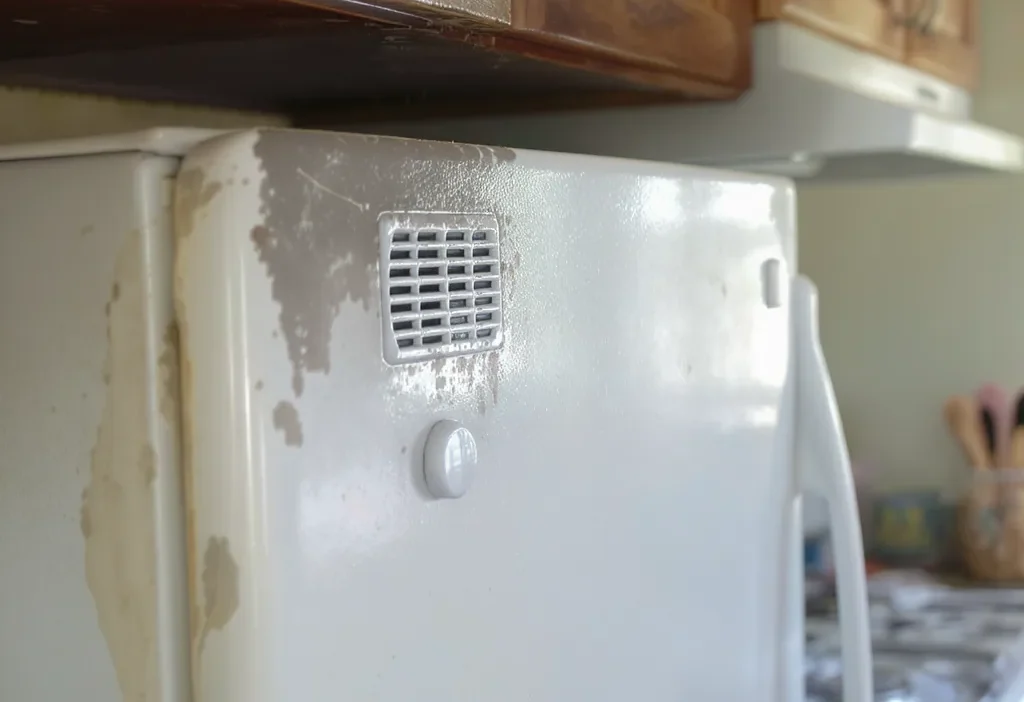
When your roast takes forever to brown or your cookies bake unevenly, it’s tempting to blame the recipe or your own skills. But the real culprit is often hiding in plain sight—a layer of grime you’ve learned to ignore on your oven door, stovetop, and those mysterious vents. This isn’t just about aesthetics; it’s a fundamental physics problem. Dirty appliance vents and surfaces reduce efficiency by sabotaging the very airflow and heat transfer your oven, range, or microwave relies on. Grease and debris act as an insulator, forcing the appliance to work harder and longer, which leads to wasted energy, frustratingly inconsistent results, and ultimately, a shorter lifespan for your equipment. Understanding this hidden link is the first step to restoring your kitchen’s performance.
Dirty appliance vents and surfaces reduce efficiency by blocking essential airflow and insulating heating elements, which leads to longer preheat times, uneven cooking, and wasted energy. The fix is a targeted cleaning of vents, reflectors, and sensors to restore proper heat circulation and exhaust, allowing your appliances to operate as designed and deliver consistent results.
The Hidden Link: How Dirt Sabotages Your Appliance’s Physics
Your kitchen appliances are engineered systems, not magic boxes. Their efficiency depends on precise physics—specifically, heat transfer and airflow. When vents and surfaces are clean, these systems work as designed. When they’re dirty, the entire operation breaks down in predictable ways.
Think of vents as the appliance’s lungs. Ovens have exhaust vents to release moisture and gases, and intake vents to pull in fresh air for combustion and cooling. Range hoods have vents to capture smoke and grease. When these become clogged appliance vents, airflow is restricted. An oven can’t expel steam properly, leading to soggy food. A range hood can’t capture smoke, leaving your kitchen hazy. The appliance has to strain, running longer and hotter to achieve its goal, which is a direct cause of reduced cooking efficiency.
Surfaces matter just as much. The shiny reflectors under your stovetop burners and the interior walls of your oven are designed to reflect radiant heat back toward your cookware or food. A layer of baked-on grease acts as an insulator, absorbing and scattering that heat instead of reflecting it. This forces the heating element to work overtime. It’s a simple but often overlooked truth: dirty appliance vents reduce efficiency by blocking essential airflow and insulating against heat, making your appliance labor unnecessarily.
Troubleshooting Your Kitchen: Symptoms of Clogged Vents and Surfaces
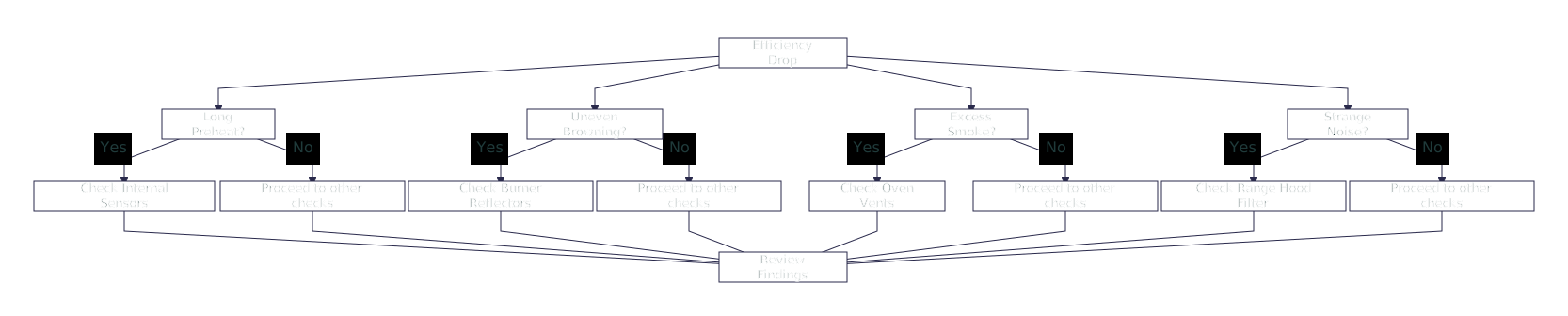
If your cooking results have taken a turn for the worse, don’t blame your skills just yet. Use this diagnostic guide to match symptoms with the likely culprit. These are classic signs of kitchen appliance airflow issues and surface grime.
Longer Preheat Times and Inconsistent Oven Temperatures
If your oven takes forever to reach 350°F or the temperature swings wildly, the problem is often a blocked vent. Modern ovens use a thermostat that reads air temperature near a vent. If that vent is clogged with grease and debris, the sensor gets a false reading, causing the oven to cycle incorrectly. Check the oven’s rear or top vent for visible grease buildup.
Uneven Browning and Cooking
Are your cookies burnt on one side and raw on the other? Is your casserole soupy in the middle? This points to poor heat circulation, often from dirty oven walls or a blocked internal fan vent (if you have a convection oven). The insulating layer of grime creates hot and cold spots. Also, check the stovetop: if one burner flame is lazy or uneven, the issue is likely grease buildup in vents around the burner base or clogged ports.
Excess Smoke, Lingering Odors, and Poor Ventilation
Smoke billowing from the oven during normal roasting, or smells that last for days, signal an exhaust problem. The oven vent is blocked, trapping smoke inside. Similarly, if your range hood is loud but seems to do nothing, the metal grease filter is probably saturated. You can find guidance on maintaining these filters from sources like the U.S. Department of Energy. A dirty filter can’t capture airborne grease, leading to a sticky film on every kitchen surface.
Unusual Noises and Overheating
Hearing new rattles, hums, or clicks from your oven or microwave? This can be a fan motor straining against blocked airflow. You might also notice the exterior of the appliance getting hotter than usual—a clear sign it’s working too hard to dissipate heat because its cooling vents are obstructed.
The Efficiency Restoration Plan: What to Clean and How
Restoring performance is less about a full deep-clean and more about targeted maintenance. Focus on these critical components to clean appliance vents for better performance quickly and safely. Always ensure the appliance is off, cool, and unplugged (if possible) before starting.

Photo by Curtis Adams on Pexels
Oven and Stovetop Vents
Locate the oven vent, usually at the rear of the cooktop or on the back wall inside the oven. Use a vacuum crevice tool to suck out loose debris. For grease, dip a microfiber cloth in a solution of warm water and dish soap, wring it out thoroughly, and wipe the vent slats. Avoid spraying liquid directly into the vent. For stovetop burner bases, lift them off and clean the gas ports or electrical connections with a dry toothbrush or compressed air to clear blocked appliance airflow.
Burner Caps and Reflector Bowls
These are heat-directing superstars. Soak removable caps and reflector bowls in hot, soapy water. For stubborn carbon, use a paste of baking soda and water, scrub gently with a non-abrasive pad, and rinse. Dry completely before replacing. Shiny, clean reflectors will bounce heat back to your pan effectively.
Range Hood Grease Filter
This is the most neglected part. Most metal filters can go in the dishwasher on the top rack, or be soaked in a sink with degreaser. Do this at least once a month if you cook regularly. A clean filter is the single biggest fix for appliance ventilation problems at the cooktop.
Microwave Vents
For over-the-range microwaves, the vent is often behind a grease filter at the bottom. Remove and wash this filter. Wipe the interior vent opening with a damp cloth. For countertop models, check the rear or side vents for dust blockages and vacuum them.
Common Mistakes That Make the Problem Worse
In the rush to fix things, it’s easy to cause more damage. Avoid these frequent errors that can worsen appliance ventilation problems or create new hazards.
Using Oven Cleaner on Stovetop Parts: The caustic chemicals in oven cleaner can permanently damage the enamel on stovetop reflector bowls. Always use gentler cleaners like dish soap or baking soda for these surfaces.
Ignoring the Range Hood Filter: Assuming the hood’s job is just to make noise is a costly mistake. A clogged filter doesn’t just reduce suction; it forces the motor to overwork, which can lead to premature failure.
Poking Objects Into Vents: Using a knife, wire, or other hard object to clear a vent can damage delicate fins, push debris further in, or puncture electrical components. Use soft brushes or vacuum suction only.
Relying Solely on the Self-Clean Cycle: The self-clean function uses extreme heat to incinerate soil inside the oven cavity. It does nothing for the external exhaust vent or the range hood filter. In fact, the intense heat can bake grease in the vent even harder.
Your Kitchen’s Performance Is in Your Hands
The drop in your appliance’s efficiency isn’t a mystery or an inevitable sign of age. It’s a maintenance signal. Keeping vents and reflective surfaces clean isn’t just about aesthetics; it’s a non-negotiable part of appliance ownership that pays you back in consistent cooking results, lower energy bills, and a longer lifespan for your equipment. You now know the symptoms and the simple fixes.
The most effective step is the one you take right now. This week, choose one appliance—your oven, your range hood, or your stovetop—and give its vents and surfaces a focused clean. You’ll likely be surprised by how quickly you feel the difference in your kitchen’s performance.