You’ve set the oven to preheat, but twenty minutes later, it’s still barely warm. You pull out a cake, only to find one side perfectly golden and the other pale and sunken. These moments of kitchen frustration—waiting, wondering, worrying about a costly repair—are all too common. But here’s the reassuring truth: most slow heating and uneven cooking problems aren’t a death sentence for your appliance. More often, they’re a clear signal pointing to a handful of simple, diagnosable issues. This guide cuts through the confusion, acting as your quick appliance efficiency diagnosis to separate the minor fixes you can handle from the problems that truly need a pro. We’ll bust the myths that keep you guessing and walk you through the practical checks that can restore your oven or stove’s performance, saving you time, money, and a lot of dinner-time despair.
Slow heating and uneven cooking in ovens and stoves are often caused by worn heating elements, incorrect temperature calibration, or blocked airflow. A quick diagnosis involves checking these components visually and with simple tools before assuming a major repair is needed. In many cases, you can identify the culprit—like a faulty bake element or a misaligned burner cap—and either fix it yourself or know exactly what to tell a technician, saving significant time and expense.
Myth vs. Fact: What Your Appliance’s Symptoms Really Mean

Photo by Ann H on Pexels
When your oven takes forever to preheat or your casserole is burnt on one side and raw on the other, it’s easy to jump to the worst conclusion. Let’s separate the common myths from the facts to focus your appliance performance diagnosis on what really matters.
Myth: “If it heats at all, it’s basically fine.”
Fact: A gradual slowdown in heating time is a classic sign of component wear. A heating element or gas igniter can weaken long before it fails completely, leading to that frustrating lag. This is a core part of an appliance efficiency quick diagnosis slow heating—noticing the change in performance, not just a complete breakdown.
Myth: “Uneven cooking means you need a brand new oven.”
Fact: More often than not, uneven cooking appliance troubleshooting points to a single faulty bake or broil element, a temperature sensor that’s drifted out of calibration, or even simple user error with rack placement. A complete oven failure is rare.
Myth: “All the burners on my stove should heat identically.”
Fact: Different burner sizes (small, large) often have different wattage ratings and may heat at slightly different rates. The real issue is when a single burner behaves erratically or a large burner can’t bring a pot to a boil. This distinction is crucial for effective kitchen appliance performance checks.
Note: This guide is for educational purposes to help you diagnose problems. It is not a substitute for a professional assessment, especially for complex electrical or gas issues.
The 5-Minute Visual Check: What to Look For
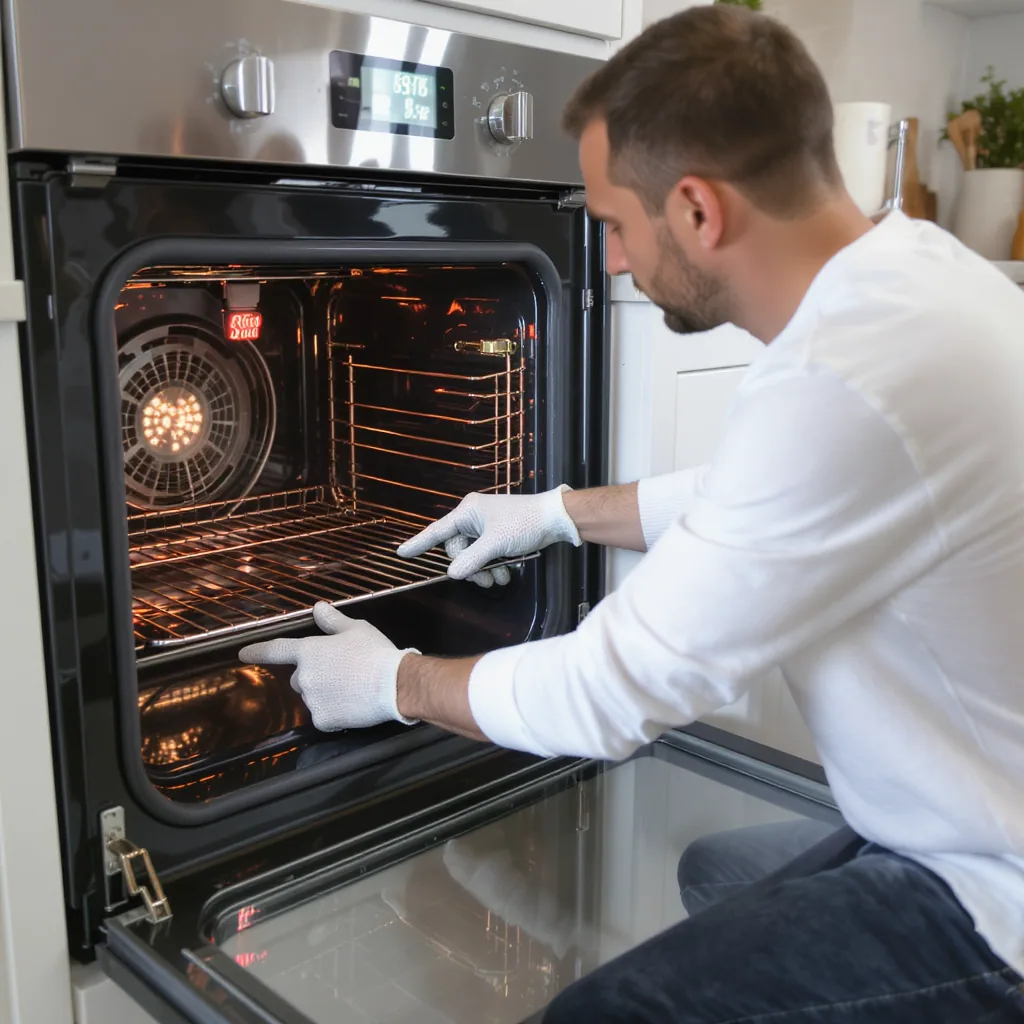
Before you call for help or assume the worst, a quick visual inspection can reveal a lot. Always ensure the appliance is off, unplugged (for electric), or the gas supply is shut off (for gas) before you begin. Here’s your mini-checklist:
- Check the Heating Elements (Electric Ovens/Ranges): Turn the oven on to a low broil or 350°F. Look through the window. Are both the bake (bottom) and broil (top) elements glowing a bright, consistent orange-red? A dim glow, no glow, or a section that doesn’t light up indicates a failing element. For stovetops, turn each burner to high and look for the same consistent glow.
- Inspect Burner Caps and Igniters (Gas Ranges): Ensure all burner caps are seated correctly and the tiny ports aren’t clogged with food debris. Turn on a burner and listen for clicking and watch for a spark. If it clicks but doesn’t light, or lights inconsistently, the igniter may be weak. A thorough cleaning is often the first fix.
- Look for Blockages: Check the oven’s vent (usually at the back of the cooktop or along the oven door frame) and ensure nothing is blocking it. For convection ovens, listen and feel for the fan running when the convection setting is on. A blocked vent or faulty fan is a common culprit for slow heating oven fix attempts and uneven temperatures.
- Note Any Error Codes: Modern ovens often display error codes (like F, E, or a number series). Jot this down and consult your manual. A simple code can instantly point to a specific sensor or component failure.
Beyond the Obvious: Calibration and Hidden Factors
If everything looks fine visually, the problem might be invisible. Your appliance efficiency test needs to go deeper.
The Oven Thermometer Test
Your oven’s internal thermostat can drift over time. To diagnose cooking problems related to temperature, buy a standalone oven thermometer. Place it in the center of the middle rack, set your oven to 350°F, and let it preheat fully (wait 20 minutes after the “preheat” beep). Check the thermometer. A variance of +/- 25°F is fairly common, but a difference of 50°F or more means your oven is poorly calibrated. Many modern ovens have a calibration offset setting in their menu—consult your manual. If not, recalibration is a pro job, but now you know.
The Impact of Rack Position and Pans
Sometimes, the issue isn’t the oven, but how we use it. A pan that’s too large or dark-colored can absorb heat aggressively, causing hotspots and browning too quickly. Placing a baking sheet on a rack too close to the top element will guarantee a burnt top. For most even baking, use the center rack and light-colored, heavy-duty pans. This simple adjustment can solve many perceived stove not heating evenly complaints when baking.
For electric ranges, if one burner is exceptionally slow, consider the power supply. That specific burner’s socket in the range top may have a loose connection. This is less common but worth noting if all other quick appliance check steps come up empty.
Common Mistakes That Make Problems Worse
In the rush to fix things, well-intentioned DIYers can accidentally complicate the issue. Avoid these pitfalls during your kitchen appliance troubleshooting.
- Ignoring the Manual: Your appliance’s manual isn’t just for setup. It contains model-specific diagnostic modes, error code explanations, and approved cleaning methods. It’s the first place you should look.
- Using Abrasive Cleaners on Heating Elements: Scrubbing an electric coil or smooth-top element with steel wool or harsh powders can damage the surface, leading to inefficient heating and premature failure. Use recommended cleaners only.
- Assuming Identical Performance Across All Burners/Elements: As mentioned, burners can have different power ratings. Also, the bake and broil elements in an oven serve different purposes and may cycle differently. Don’t assume one is broken because it behaves unlike another.
- Misdiagnosing a Faulty Thermostat as a Bad Element: If an element isn’t heating, your first thought might be to replace it. But if the thermostat or temperature sensor is faulty, it won’t send power to the element at all. The visual check (is the element glowing?) and the thermometer test help you tell the difference before buying parts.
- Jumping to the Most Expensive Conclusion First: “The oven is dead” is a costly assumption. A systematic appliance maintenance check—visual inspection, thermometer test, cleaning—rules out simple, cheap fixes first, saving you significant money and hassle.
Maintain Efficiency, Preserve Peace of Mind
The real secret to avoiding sudden appliance despair isn’t advanced technical skill—it’s regular, simple awareness. Incorporating a quick visual check every few months and an annual oven thermometer test takes minutes but gives you immense control. You’ll catch a weakening element or a drifting temperature long before it ruins dinner.
This process empowers you to make a confident, informed decision: “I can clean that vent or replace that element myself,” or “This calibration issue is beyond me; time to call a pro.” That clarity is the ultimate goal of any appliance efficiency quick diagnosis. By understanding the real meaning behind slow heating and uneven cooking, you stop guessing and start solving, keeping your kitchen running smoothly for years to come.