You’re making pasta for dinner and need to boil water. Do you grab the electric kettle or turn on the stove? That small, everyday choice can add up on your energy bill over time. The debate between an electric kettle vs stovetop boiling for energy efficiency isn’t about finding one universal winner. Instead, it’s about understanding which tool is the smarter choice for your specific task. By matching the method to the amount of water and its final use, you can avoid wasted energy and keep your utility costs in check. This guide breaks down the core principles and gives you a clear, situational decision tree to make the most efficient choice every time you need hot water.
The best way to save energy boiling water depends on your situation. For boiling small amounts (1-2 cups) for tea or coffee, an electric kettle is almost always more efficient. For larger volumes needed for cooking pasta or blanching vegetables, a stovetop with a lid on a correctly sized burner can be the better choice. The key is matching the tool to the task.
The Core Efficiency Principle: Direct Heat vs. Wasted Energy
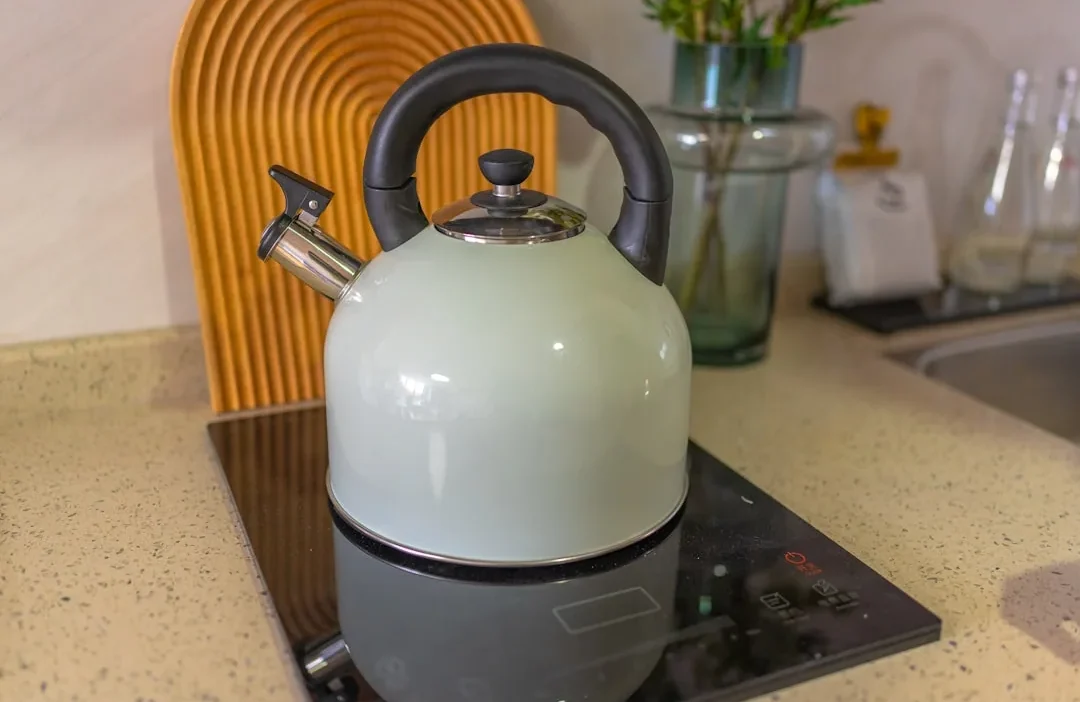
To understand the electric kettle vs stovetop boiling energy debate, you need to know one simple principle: how directly the heat gets to the water. An electric kettle immerses its heating element directly into the water. This creates a very efficient transfer of energy, with minimal heat escaping into the air around the kettle. It’s a direct, focused task.
A stovetop, whether gas or electric, works differently. It heats a burner or coil, which then heats the bottom of your pot, which then heats the water. At each step, some energy is lost to the surrounding air—this is the “wasted” heat you feel radiating from your stove. This indirect path is inherently less efficient. Furthermore, most modern electric kettles have an auto-shutoff feature, which stops heating the moment the water boils, preventing the energy waste of an unattended, over-boiling pot.
Electric Kettle vs. Stovetop: A Quick-Reference Comparison
Photo by Barbara Webb on Pexels
This table breaks down the key factors to help you see the trade-offs at a glance. It’s your central reference for the most efficient way to boil water in different contexts.
| Factor | Electric Kettle | Stovetop (Gas) | Stovetop (Electric Coil/Induction) |
|---|---|---|---|
| Speed (for 1 liter) | Fastest | Slow to Moderate | Moderate (Coil) to Very Fast (Induction) |
| Energy Efficiency (Small Amount, e.g., 1-2 cups) | Best | Least Efficient | Fair to Good |
| Energy Efficiency (Large Amount, e.g., for pasta) | Not Suitable | Good (with lid & right pot) | Good to Best (Induction with lid) |
| Upfront & Operating Cost | Low cost, low to run | Depends on gas prices | Depends on electricity rates |
| Versatility | Boils water only | Highly versatile for all cooking | Highly versatile for all cooking |
| Control | Auto-shutoff only (basic models) | High visual control | Good control (especially induction) |
Your Decision Guide: When to Use Which
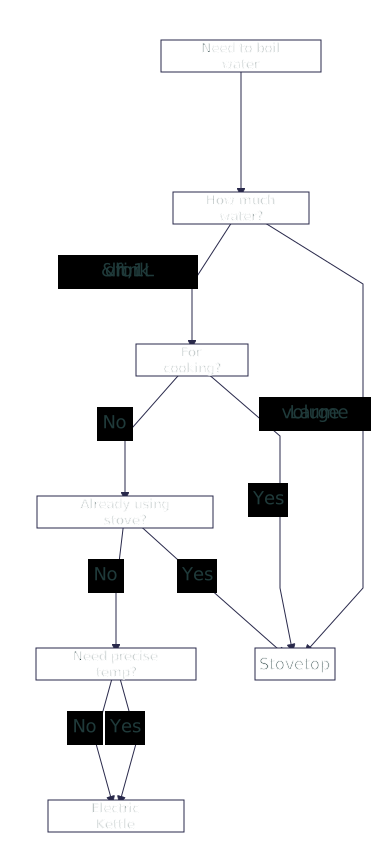
Forget a one-size-fits-all answer. The real boil water energy efficient way is to match your tool to the specific task. Use this simple guide to make the smart choice every time.
Scenario 1: Boiling water for a single drink (tea, coffee, instant)
Use an electric kettle. This is its undisputed sweet spot. Boiling one or two cups on a stovetop wastes a huge percentage of energy heating the pot and the surrounding air. The kettle’s direct heating and auto-shutoff make it the clear winner for small volumes, minimizing overall kettle energy use for this common prep task.
Scenario 2: Boiling water for cooking (pasta, potatoes, blanching veggies)
Use your stovetop. For large volumes (typically a liter or more), the efficiency gap closes. It’s more practical to boil a big pot of water directly on the stove you’ll cook on. The key here is to use a lid and ensure your pot’s bottom matches the size of the burner to maximize efficiency.
Scenario 3: You need precise temperature control
Use a gooseneck kettle (electric or stovetop). For pour-over coffee or certain teas, you need water just off the boil at a specific temperature. Many electric kettles now offer variable temperature settings, making them incredibly efficient and precise for this niche.
Scenario 4: You’re already using the stove
Add the pot of water to the already-hot burner. This is a classic energy-saving hack. If you’re sautéing vegetables for a soup, put your soup pot of water on a back burner to start heating. You’re leveraging heat that’s already being produced.
Scenario 5: Power outage or off-grid
Use a stovetop (gas or camp stove). This is the obvious practical choice when electricity isn’t an option, highlighting the stovetop’s versatility.
Pro Tips to Maximize Efficiency (Whichever You Choose)
Your choice of appliance is the first step. These habits will squeeze out every bit of savings, turning any method into a more energy efficient water boiling process.
- Only boil what you need. Filling a kettle for one cup or a giant pot for a small portion of pasta wastes energy and time. Measure first.
- Always use a lid on stovetop pots. A lid traps heat, dramatically reducing boiling time and energy use. It’s the simplest efficiency upgrade you can make.
- Match your pot size to the burner size. A small pot on a large burner wastes heat around the sides. A large pot on a small burner takes forever and is inefficient.
- Descale your electric kettle regularly. Limescale buildup acts as an insulator, forcing the heating element to work harder and use more energy. A quick vinegar clean keeps it running optimally.
- Consider induction if upgrading. If you’re in the market for a new cooktop, know that induction is the most efficient stovetop technology, heating the pot directly via magnetic field and offering excellent control.
The Smart Choice Saves Energy
So, is the electric kettle or stovetop better for boiling water? The real answer is: it depends. There’s no single champion, but there is a champion for every situation. The true save energy boiling water strategy isn’t about picking one appliance forever; it’s about making an informed choice based on the volume you need and what you’re already doing in your kitchen.
By understanding the core efficiency principles and using the simple decision guide, you can consistently choose the right tool for the job. These small, smart decisions might seem minor for a single boil, but they compound over hundreds of cups of tea and pots of pasta. That’s where you’ll see the real difference on your energy bill—not from a single drastic change, but from building better, more efficient everyday habits.