There’s a quiet hum on your kitchen counter, a single appliance promising a hot meal with minimal fuss. While your rice cooker’s primary job seems simple, its true potential as an energy-saving kitchen hero is often left untapped. This isn’t about pushing it to perform culinary miracles it wasn’t designed for, but about understanding its efficient design to make practical, cost-effective meals. The key to successful rice cooker energy-saving cooking lies in a simple principle: work with its strengths of steaming and simmering in a sealed environment, and avoid the techniques that waste its power. This guide will walk you through exactly what works brilliantly for efficient rice cooker meals and what common attempts lead to disappointment and higher electricity use, turning your humble appliance into a reliable ally for cutting down kitchen energy.
The best way to use your rice cooker for rice cooker energy-saving cooking is to focus on one-pot meals that steam or simmer efficiently. Start by cooking grains like rice, quinoa, or oats as a base. Then, layer in proteins that steam well (fish, chicken breast, dumplings) and hardy vegetables (carrots, broccoli, potatoes) during the last few minutes. Avoid frying, excessive stirring, or trying to bake dense items, as these methods waste the appliance’s efficient design.
Your Rice Cooker’s Energy-Saving Superpowers
Before diving into recipes, it helps to understand why a simple rice cooker is such a champion for low-power cooking. Unlike a stovetop where heat escapes into the air or an oven that must heat a large cavity, a rice cooker is a marvel of efficient design. Its sealed lid traps steam and heat, creating a mini pressurized environment that cooks food faster and with less energy. A built-in thermostat automatically switches from “cook” to “keep warm,” using just a trickle of power to maintain temperature instead of constant, full-blast heating.
This design means even a basic model is an efficient kitchen appliance compared to alternatives. “Fuzzy logic” models are more precise, but the core principle remains: focused heat, minimal waste. According to the ENERGY STAR program, choosing efficient cooking appliances is a key part of reducing home energy use. Your rice cooker is already on your counter, ready to be your ally in saving electricity.
What Works Brilliantly: The Energy-Saver’s Toolkit
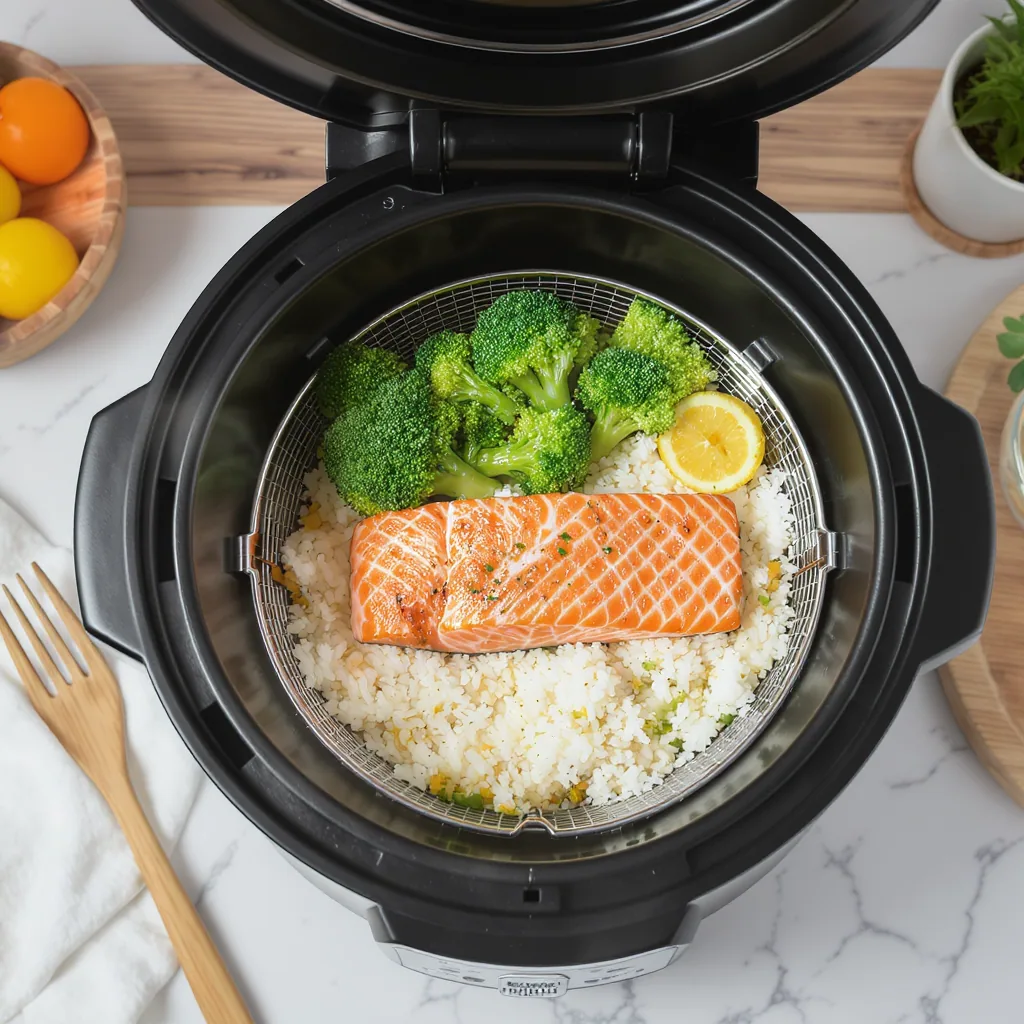
The secret to efficient rice cooker meals is to work with the appliance’s strengths: steaming, simmering, and hands-off cooking. Stick to these categories, and you’ll consistently create meals that use minimal power.
Perfect Grains & Porridges
This is the obvious win. Beyond white rice, you can cook brown rice, quinoa, barley, or steel-cut oats using the same measured water-to-grain ratio. The cooker handles the simmering perfectly, using far less energy than a pot on the stove that you might forget and let boil over.
Steam-Powered Proteins
Your steamer basket is the key to save energy cooking rice and a protein simultaneously. Place fish fillets (like salmon or cod), chicken breast strips, shrimp, or even dumplings and pot stickers on a plate or in the basket. The steam from the cooking grains below gently and safely cooks the protein through, all in one cycle.
Hardy Vegetable Add-Ins
Add chopped carrots, broccoli florets, green beans, or potato chunks to the steamer basket during the last 5-10 minutes of the rice cycle. They’ll become tender-crisp using the existing steam, eliminating the need to boil a separate pot of water.
One-Pot Wonders
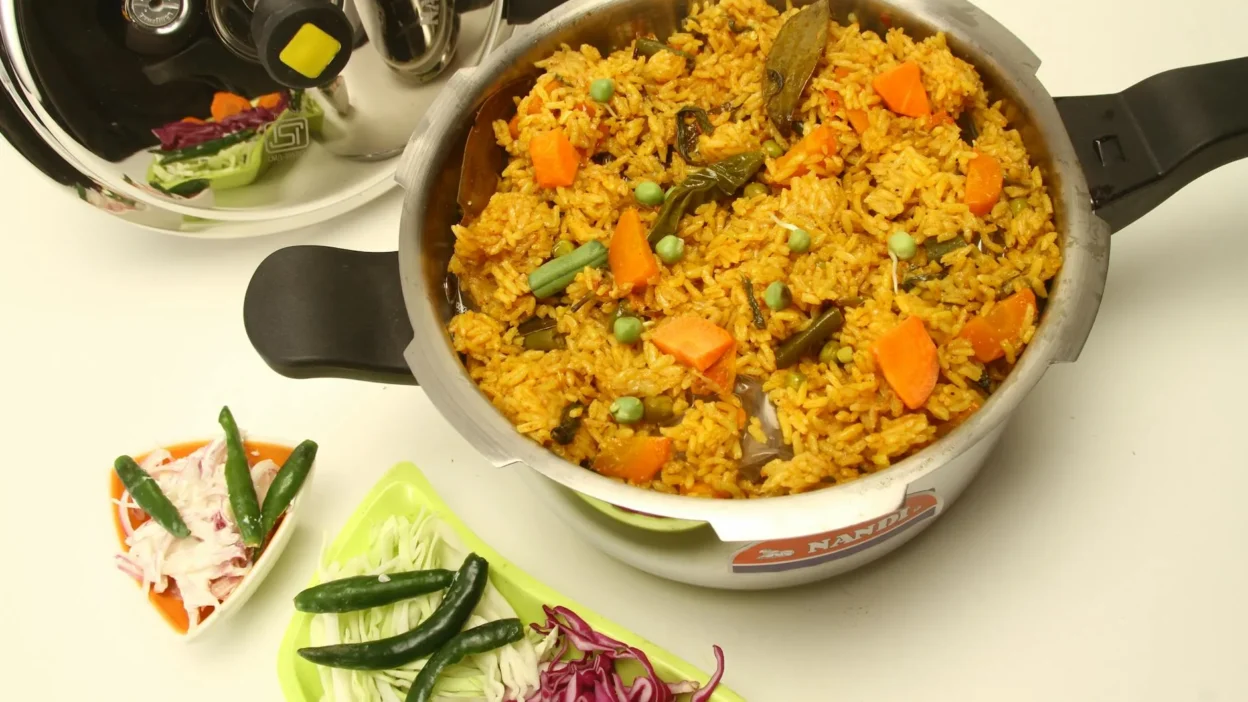
For soups, stews, and congee, add all ingredients (broth, grains, pre-cooked or small-diced meats, hardy veggies) at the start. The sealed environment simmers everything together efficiently, infusing flavors while the appliance does its set-and-forget job.
What Doesn’t Work (And Wastes Energy)
Photo by Milton Das on Pexels
Just as important as knowing what works is knowing what defeats the purpose. These methods either fail completely or use more energy than necessary, negating the savings.
Attempting to Fry or Sauté
A standard rice cooker’s heating element is at the bottom of a non-stick pot, designed for gentle, even heating with water present. Trying to fry an egg or sauté onions usually results in sticking, burning, or uneven cooking. You’ll waste energy as the cooker struggles to reach and maintain the high, direct heat needed for frying.
Baking Dense Cakes or Breads
While some “cake” recipes exist, they often produce a steamed, dense result. Baking requires dry, circulating heat to rise and set properly—something a sealed, humid rice cooker can’t provide. You’ll likely use a full cook cycle only to be disappointed, wasting the electricity.
Cooking Large Frozen Blocks
Placing a solid block of frozen meat or vegetables directly into the pot forces the cooker to work much longer to thaw and then cook, significantly increasing its active “cook” time and energy draw. Always thaw first or use small, pre-cut frozen items.
Constantly Peeking (Opening the Lid)
Every time you open the lid, you release a burst of heat and steam. The appliance then has to draw more power to regain the lost temperature and pressure, extending the cooking cycle. Trust the process and keep the lid closed.
Building Your Energy-Efficient Routine
The real power of energy-efficient rice cooker recipes comes from making them a habit. Let’s walk through a sample routine for a complete, low-effort dinner.
On a busy weeknight, measure brown rice and water into the pot. In the steamer basket above, place bite-sized pieces of chicken breast seasoned with salt and pepper. Start the cooker. With about 10 minutes left on the cycle, add broccoli florets to the basket with the chicken. When the cooker clicks to “warm,” everything is done: fluffy rice, perfectly steamed chicken, and tender broccoli. You’ve used one appliance, one heating cycle, and avoided the energy drain of the stovetop and oven.
The “keep warm” function is perfect for holding food for up to an hour, using very little power. The goal is to plan several meals a week that follow this layered, steam-based template. This routine turns sporadic use into cumulative energy savings, making your kitchen noticeably more efficient.
Your Simple Path to a More Efficient Kitchen
Mastering rice cooker energy-saving cooking isn’t about buying fancy gadgets or learning complex techniques. It’s about embracing the simple, inherent efficiency of an appliance you likely already own. By focusing on what it does brilliantly—steaming, simmering, and cooking grains—and avoiding the methods that work against its design, you can prepare satisfying meals with a clear conscience about your energy use.
Start with one one-pot energy-saving meal this week. Notice the quiet hum of the cooker doing the work, the single pot to wash, and the lower electricity bill at month’s end. Those small, smart choices add up to real impact, making your cooking routine easier, cheaper, and kinder to the planet.
Q: Can I really cook meat safely in a rice cooker?
A: Yes, absolutely. The key is to use the steamer basket or a plate placed above the cooking grains. The consistent, high-temperature steam (well above 165°F/74°C) will safely cook proteins like fish, chicken, and shrimp through. Ensure pieces are cut evenly for consistent cooking.
Q: Does a rice cooker use less energy than a stovetop?
A: Typically, yes. A stovetop, especially an electric coil, loses a significant amount of heat to the surrounding air. A rice cooker’s sealed environment uses heat and steam more efficiently, and its automatic “keep warm” function uses far less power than leaving a burner on low. For cooking grains and steaming, it’s generally the more efficient choice.
Q: What’s the most energy-efficient thing to cook in a rice cooker?
A: The single most efficient task is cooking a batch of plain rice, quinoa, or oats. It uses the appliance’s core designed function perfectly. For a complete meal, cooking rice with proteins and vegetables layered in the steamer basket maximizes the energy used in one cycle, making it the most efficient multi-food option.
Q: Can I leave my rice cooker on ‘warm’ all day to save energy?
A: No, this is not recommended for safety or food quality. While the “keep warm” function uses minimal power, leaving cooked food at a warm temperature for more than 1-2 hours can allow bacterial growth. For energy savings, cook what you’ll eat soon, and store leftovers in the fridge to reheat later.