You’ve followed the recipe to the letter. You’ve set your pressure cooker for the stated 30 minutes, expecting a quick, hands-off dinner. But now you’re checking the clock, wondering why the cooker hasn’t even started its countdown yet, and the whole process feels like it’s taking forever. If your pressure cooker takes too long to cook, you’re not alone—and you’re likely not dealing with a broken appliance. This common frustration almost always stems from a simple misunderstanding of how these cookers work or a tiny, easily corrected setup mistake. Instead of assuming a malfunction, a quick diagnostic approach—identifying the symptom, pinpointing the cause, and applying a straightforward fix—will almost certainly get you back on track. Let’s troubleshoot why your cooker is lagging and implement the easy setup fixes that restore its time-saving promise.
If your pressure cooker seems to take forever, the issue is almost always in the setup or the time it takes to reach pressure, not the programmed cook time itself. The most common culprits are using too little liquid, overfilling the pot, or starting with frozen or refrigerator-cold ingredients, which dramatically extends the preheating phase. Before you suspect a technical fault, run through this basic checklist: ensure you have at least one cup of liquid, respect the max fill lines, and use room-temperature ingredients when possible for significantly faster results.
The Clock is Ticking: What ‘Cook Time’ Really Means
Here’s the first, and most crucial, piece of the puzzle: the time listed on a pressure cooker recipe almost never tells the whole story. When a recipe says “cook for 20 minutes,” it’s referring only to the time the food spends cooking under full pressure. This is just one phase of the entire process. cooking under full pressure
Your total elapsed time from start to finish has two main parts. First, there’s the preheating and pressurization phase. This is when the cooker heats the liquid to a boil, generates steam, and builds enough pressure to seal the valve and start the timer. This phase is variable and can take 10 to 25 minutes or more, depending on what’s in the pot. Second, then the programmed countdown begins. This misunderstanding is why many people report pressure cooker slow cooking or extended pressure cooker cook times—they’re counting the preheating time, which recipes often omit.
Diagnosing the Delay: Top Culprits for Slow Pressurization
If your cooker seems stuck in that long preheating phase, one of these common issues is likely the cause. Let’s break them down from most to least frequent.
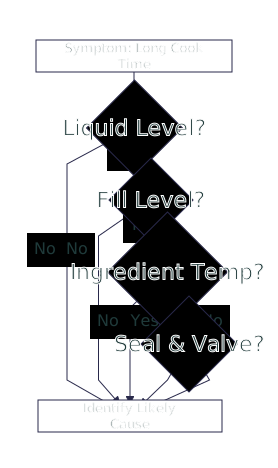
1. Not Enough Liquid
The pressure cooker needs a minimum amount of liquid to create the steam that builds pressure. If you’re below that line (usually 1 cup for most electric models), there simply isn’t enough steam generation. This is a classic pressure cooker energy efficiency mistake—the heater works hard, but without sufficient water, it can’t create the pressurized environment efficiently.
2. Overfilling the Pot
Every cooker has a maximum fill line, often two-thirds full for most foods and only half-full for foods that foam (like pasta or beans). Exceeding this limit leaves no room for the steam chamber to form above the food, preventing the pot from pressurizing properly. It’s a direct physical constraint.
3. Starting with Cold or Frozen Ingredients
This is a huge energy drain. Dumping a block of frozen chicken or broth straight from the fridge into the pot means the heating element must work much longer just to bring everything up to a boil before pressurization can even begin. This single factor can double your preheat time.
4. A Faulty or Misplaced Seal
The silicone sealing ring is the gasket that keeps pressure in. If it’s cracked, stiff, not fully seated in its groove, or simply missing, steam will leak out constantly. The cooker will struggle to reach pressure because it can’t build up the necessary steam pressure, leading to a slow pressure build up.
5. An Inadequate Heat Source
For stovetop models, a burner that’s too small or set too low won’t deliver enough energy. For electric multicookers, a weak outlet or a power strip can sometimes limit the draw. While less common, it’s a simple thing to check if you’re dealing with consistent multicooker timing issues.
Your Quick-Start Setup Checklist for Faster Cooking
Turn those diagnoses into solutions. Run through this quick checklist before you lock the lid to ensure a faster, smoother pressurization every time.
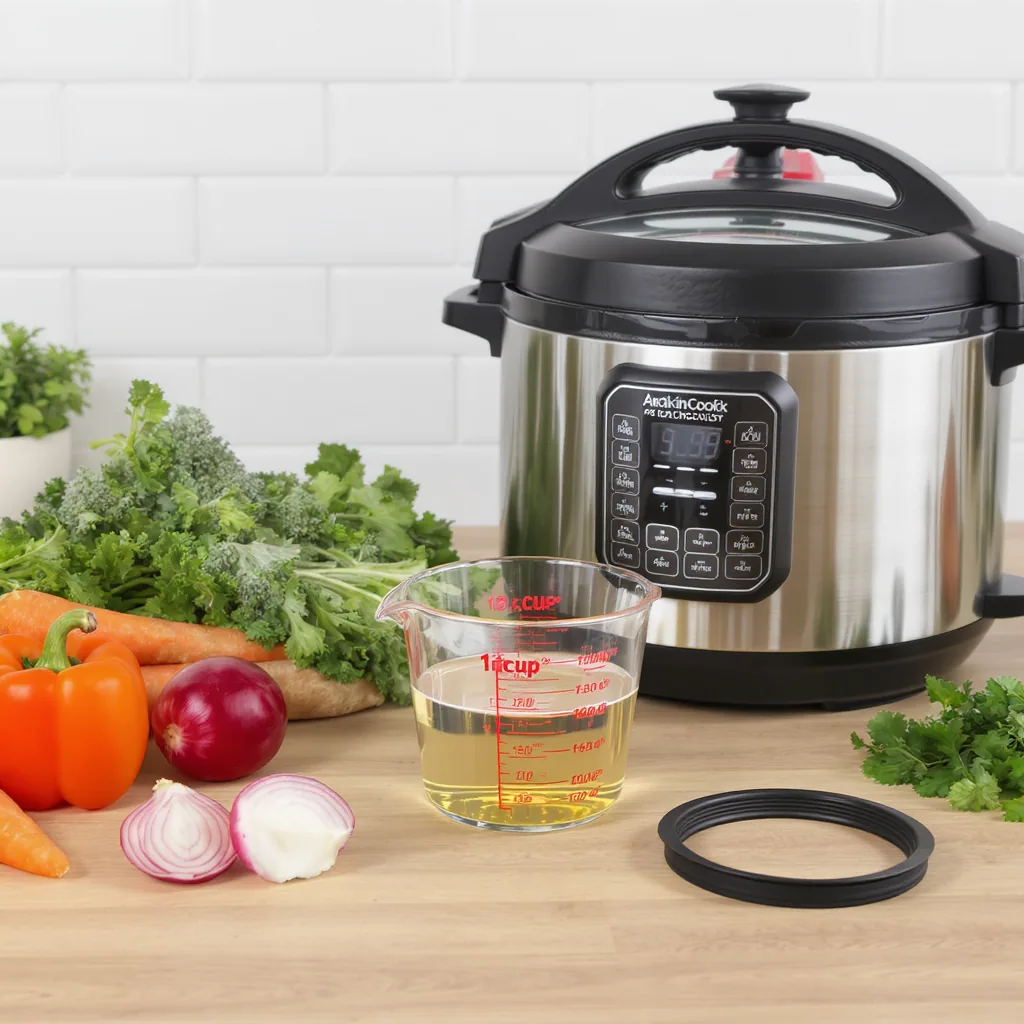
- Liquid Level: Verify you have at least 1 cup of broth, water, or other thin liquid for most 6-8 quart electric cookers. Check your manual for the specific minimum.
- Fill Line: Never exceed the max fill line. For soups and stews, stay at or below the 2/3 mark. For grains, legumes, or anything that expands, use the 1/2 line.
- Ingredient Temperature: Use room-temperature or thawed ingredients when possible. If you’re in a hurry, use hot or warm liquid from the tap or kettle to give the process a head start.
- Seal Check: Look at the ring. Is it clean, flexible, and sitting perfectly in its channel around the lid? A quick wipe and proper placement can solve many pressure cooker timing problems.
- Valve Position: Ensure the steam release valve is set to “Sealing” (not “Venting”) before you start cooking.
- Heat Source: For stovetop, use a burner that matches the pot’s base size and start on medium-high heat. For electric, plug directly into a wall outlet.
Common Pressure Cooker Timing Mistakes to Avoid
Beyond the core setup, a few subtle habits can also throw off your timing. Being aware of these can save you from future frustration.
- Adding Thickeners Too Early: Flour, cornstarch, or dairy added before pressure cooking can sink to the bottom and burn, or thicken the liquid so much it impedes steam circulation and pressure build-up.
- Using a Warped Trivet or Pot: A bent trivet or a pot with a concave bottom (from overheating) doesn’t make full contact with the heating element, reducing efficiency.
- Blocking the Float Valve or Steam Vent: A piece of onion skin, a splatter of sauce, or overfilled food can physically block the small mechanisms that regulate pressure, causing erratic behavior.
- Forgetting Altitude Adjustments: At high altitudes, water boils at a lower temperature. Your cooker will take longer to reach pressure, and you may need to increase the programmed cook time. The USDA provides guidance on high-altitude cooking adjustments.
- Confusing “Keep Warm” with Cooking: The “Keep Warm” function activates after pressure cooking. If it kicks on during preheating because of a setting error, it will drastically slow the process.
Mastering the Clock for Good
A little patience during the preheating phase is completely normal—it’s your pressure cooker doing its essential job of building up that energy. But consistently long, frustrating waits are almost always a sign of a simple setup tweak needed, not a broken appliance.
By understanding the two-phase process and methodically checking off the common culprits—liquid, fill level, and ingredient temperature—you shift from guessing to knowing. This turns your pressure cooker back into the reliable, time-saving kitchen tool it’s designed to be. Your next “30-minute” meal might take 50 minutes total, but you’ll know exactly why, and you’ll be in control of every minute.