You’ve just finished sautéing onions in your multi-cooker. The pot is hot, the food is ready for the next step. Do you let it cool down before pressure cooking, or go straight in? That moment holds the key to saving energy and time. The best way to use multicooker modes efficiently isn’t about pushing more buttons—it’s about understanding heat as a resource you’ve already paid for. Your appliance’s stainless steel inner pot acts like a thermal battery, storing energy. By planning your cooking sequence to retain and reuse that heat, you slash the power needed to come back up to temperature, cutting both your energy bill and your active cooking time. This guide breaks down the simple thermal physics and gives you practical, heat-chain strategies to stop wasting that valuable energy.
The best way to use multicooker modes efficiently is to plan your cooking sequence to retain and reuse heat, not waste it. Start by understanding that your appliance’s metal inner pot holds thermal energy. Chain modes like Sauté directly into Pressure Cook or Slow Cook to use that residual heat, reducing the energy needed to come back up to temperature. Always use the ‘Keep Warm’ function judiciously and batch similar-temperature tasks.
The Thermal Physics of Your Multi-Cooker (Simplified)
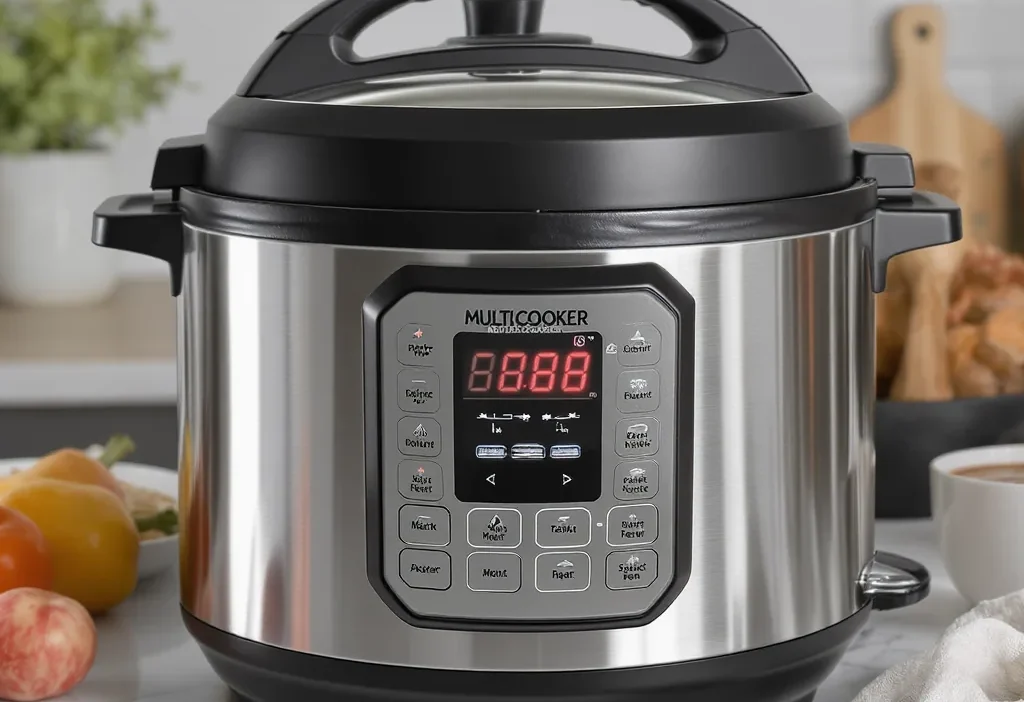
Think of your multi-cooker’s stainless steel inner pot as a heat battery. When you turn on a cooking mode, electricity is converted into thermal energy, which is absorbed first by the pot itself and then by the food and liquid inside. That metal pot holds onto that heat remarkably well.
The key to efficient multicooker use is understanding that this stored heat is a resource you’ve already paid for in energy. Every time you open the lid or let the appliance sit idle between steps, that thermal energy escapes into your kitchen air. Your appliance then has to spend more electricity to re-heat everything from a lower starting point. By planning your cooking to retain and reuse this “thermal momentum,” you directly reduce power consumption and cut down cooking time.
Photo by Milton Das on Pexels
Smart Mode Sequencing: The Heat-Chain Method
The most effective strategy is to chain modes together so the end of one step feeds directly into the start of the next. This is the heart of using your multicooker settings for optimal energy use.
The Prime Example: Sauté to Pressure Cook
This is the classic saute then pressure cook sequence. You sauté aromatics and meat, creating fond and a very hot pot. Instead of letting it cool, you immediately add your main liquid (like broth or tomatoes), scrape up the fond, and secure the lid to start pressure cooking. The pot is already near boiling point, so it reaches pressure much faster, using significantly less energy than if you started with a cold pot. This is a top energy tip for almost any stew, soup, or curry.
Other Efficient Chains
Sauté to Slow Cook: Similarly, browning meat and onions first gives your slow-cooked dish a flavor and thermal head start. The warm pot helps the slow cooker reach its target temperature range more quickly.
Steam to Keep Warm: After steaming vegetables, the pot and the small amount of water are already hot. Switching directly to “Keep Warm” maintains the food’s temperature without the high energy draw of the steam function.
Common Heat-Wasting Mistakes (And How to Fix Them)
Small habits can undermine your appliance’s thermal efficiency. Here’s how to spot and fix them.
Mistake: Letting the pot cool completely between steps. Efficient Fix: Plan your recipe and prep all ingredients before you start. Have liquids measured and other components ready to go so you can move swiftly from one mode to the next.
Mistake: Using the “Keep Warm” function for hours on end unnecessarily. Efficient Fix: Use “Keep Warm” for short-term holding (under 30 minutes). For longer storage, transfer food to a different container and refrigerate it. The “Keep Warm” mode, while low-power, still consumes electricity continuously.
Mistake: Adding a large amount of cold ingredients (like frozen meat or cold liquid) to a hot pot after sautéing. Efficient Fix: If you must add cold items, allow for a slightly longer come-to-pressure time, or briefly use the Sauté function again to bring the liquid back to a simmer before sealing the lid.
Mistake: Using more liquid than required for pressure cooking. Efficient Fix: Follow your recipe’s minimum liquid requirement (usually 1 cup for most models). Heating excess water is a pure waste of energy. Resources like the U.S. Department of Energy’s cooking tips emphasize that heating water is a major energy draw in the kitchen.
Your Efficient Cooking Game Plan
Putting it all together, here’s a simple set of rules to make heat-efficient cooking modes second nature.
- Plan Backwards: Look at your recipe’s final cooking mode (e.g., Pressure Cook for 20 minutes). Any step that can be done in the hot pot beforehand (like sautéing) should be.
- Treat Sauté as Your Heating Pad: Use the Sauté function not just for browning, but to intentionally pre-heat the pot and liquid for pressure or slow cooking.
- Minimize Lid-Off Time: Be organized. Have ingredients prepped and tools ready to reduce the time the lid is open and heat is escaping.
- Batch with Temperature in Mind: If making multiple dishes, cook those that require similar pot temperatures sequentially. Going from a hot pot for a stew to a cold-start yogurt culture wastes the residual heat.
- Embrace the Pot-in-Pot Method: For dishes that don’t require the main pot to be heated (like cheesecakes or grains), use a separate oven-safe dish inside the trivet. This allows you to cook without dirtying or heating the entire inner pot, saving on cleanup and energy.
Cook Smarter, Not Harder
Efficient multi-cooker use isn’t about memorizing complex rules. It’s a shift in perspective: seeing the heat in your pot as valuable momentum, not something to be released and recreated. By consciously chaining modes and avoiding common heat-wasting pitfalls, you turn your appliance into a truly smart kitchen partner. You’ll save on energy bills, get dinner on the table faster, and find the whole process more satisfying. The power to reduce multicooker power consumption is literally at your fingertips—just press the right buttons in the right order.