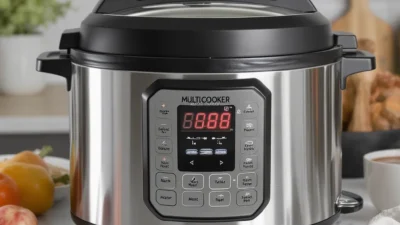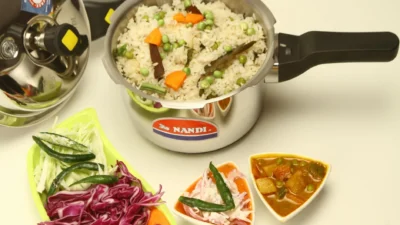
You’ve probably heard the claim that using a pressure cooker or multi-cooker is an automatic ticket to lower energy bills. And you might have also heard the counter-myth: “It doesn’t really save that much energy.” The truth is, both perspectives miss the mark. The real energy waste—and the real savings—isn’t determined by the appliance’s wattage alone. It’s hidden in the inefficient habits and disjointed workflow surrounding its use. An electric pressure cooker is a remarkably efficient tool, but its potential is unlocked only when integrated into a deliberate system. This guide moves beyond simple “tips” to provide a complete, actionable pressure cooker and multicooker energy-saving workflow. We’ll dismantle the common misconceptions and show you how to build a cooking routine that genuinely reduces your kitchen’s electricity draw, meal after meal.
The most effective pressure cooker energy-saving workflow combines strategic batch cooking, leveraging residual heat for natural release, and integrating it into a weekly meal plan to minimize total ‘cook time’ cycles. It’s the system, not just the appliance, that cuts your bill. True savings come from a holistic approach: planning meals to maximize each cooking session, using the cooker’s retained heat to finish dishes, and avoiding energy leaks like unnecessary preheating or multiple small batches.
Myth vs. Fact: Where Pressure Cooker Energy Savings Really Come From
Let’s clear the air on a common misconception. Many people think the energy savings from a pressure cooker or multi-cooker are automatic and solely because it cooks food faster. This leads to the myth that simply owning one guarantees a lower electricity bill. The reality is more nuanced, and understanding it is the first step to a truly energy efficient pressure cooking practice. energy efficient pressure cooking practice
The core fact is this: a pressure cooker saves energy primarily because its sealed environment traps heat and steam, allowing it to cook at a lower temperature than boiling while achieving higher internal pressures. This means it uses less energy to maintain cooking temperature compared to an open pot on a stovetop. However, the real savings aren’t locked in the appliance’s wattage alone. They are unlocked by reducing your kitchen’s total active cooking time.
Think of it this way: if you use your Instant Pot for 20 minutes to make a single chicken breast, then an hour later use it again for rice, and again for beans, you’ve run three full cycles. Each cycle requires energy to bring the pot to pressure, cook, and depressurize. The true multicooker power saving potential comes from stacking these tasks into fewer, more productive sessions. The savings come from the workflow you build around the tool, not just the tool itself.
The Pre-Cook Phase: Your Weekly Energy-Saving Blueprint
The most impactful energy savings happen before you even press the “start” button. This phase is about designing a cooking plan that minimizes the total number of times your cooker needs to run. It transforms random meals into a strategic, low-energy operation.
Start with a simple inventory of your fridge, freezer, and pantry. The goal is to identify ingredients that can serve as foundations for multiple meals. For example, a large pack of chicken thighs can become shredded chicken for tacos, a base for soup, and a topping for salads. Dried beans or a big batch of grains like rice or quinoa are other perfect candidates. This “cook once, eat twice (or more)” philosophy is the bedrock of an efficient pressure cooking routine.
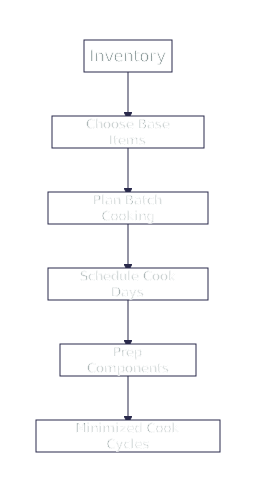
Next, schedule your “power cook” days. Instead of using the cooker daily, aim for 1-2 dedicated sessions per week. In one session, you could pressure cook a batch of beans, steam potatoes, and hard-boil eggs using a trivet for stacked cooking. By batching these tasks, you pay the “energy cost” of coming to pressure only once, but get multiple ready-to-use components. This systematic approach is the essence of a smart pressure cooker workflow for efficiency.
The Core 7-Step Energy-Efficient Cooking Workflow
When it’s time to cook, this step-by-step protocol ensures you extract every possible watt of value from your appliance. It’s designed to minimize active energy use and maximize the work done per cycle.
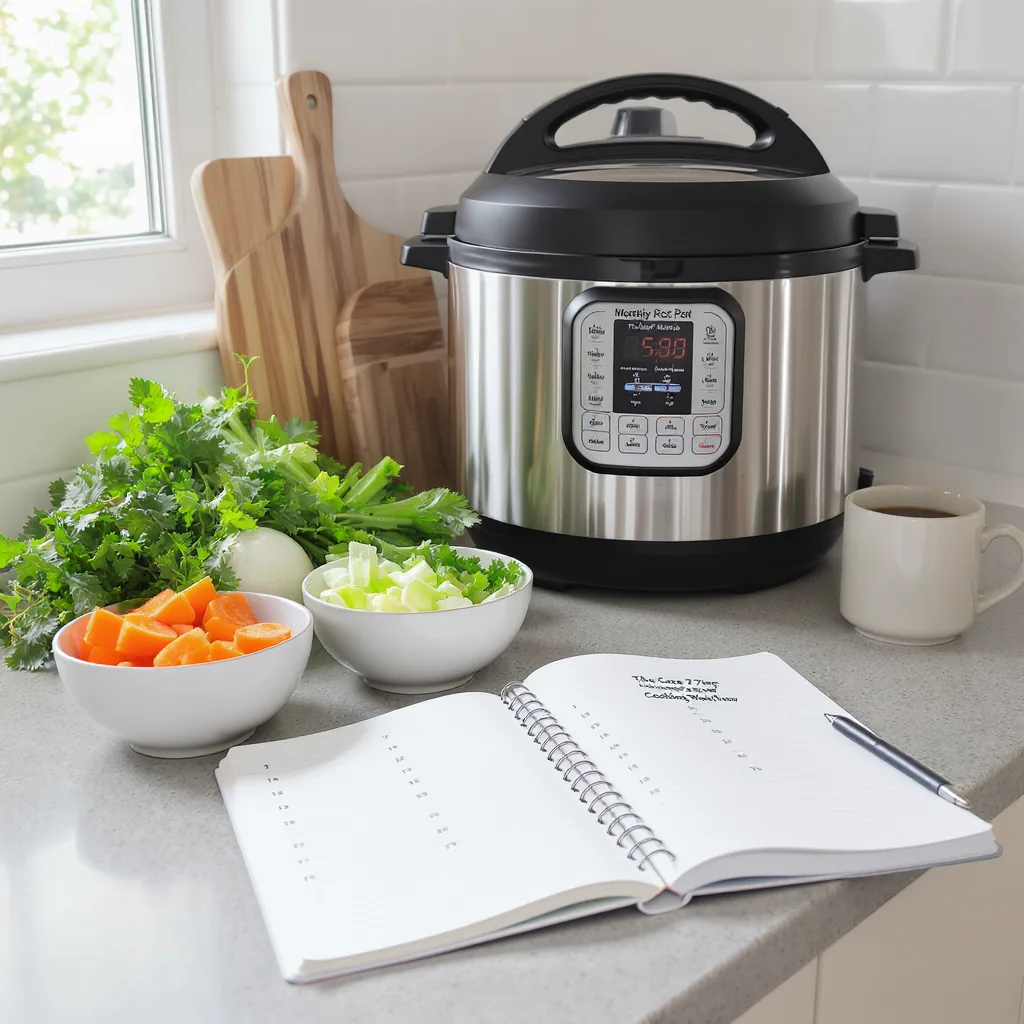
Step 1: Strategic Loading. Place ingredients that need the longest cook time (like tough cuts of meat or whole potatoes) at the bottom, closer to the heat source. Layer quicker-cooking veggies on top. Use the minimum required liquid—just enough to reach pressure—as heating excess water wastes energy.
Step 2: Utilize Stacked Cooking. Never waste the vertical space. Use a steamer basket or trivet to cook grains, eggs, or vegetables above your main dish. You’re using the same heat and steam to cook two things at once.
Step 3: Seal and Start Efficiently. Ensure the sealing ring is clean and the lid is locked properly to avoid steam leaks and pressure loss, which force the heater to work harder.
Step 4: Leverage Residual Heat with Natural Release. This is a major instant pot energy saving tip. For most dishes, especially those with lots of liquid (soups, beans) or starchy foods (rice, pasta), allow the pressure to release naturally (NPR). The cooker is off, but the trapped heat continues to cook and tenderize food for free. Only use Quick Release (QR) when the recipe specifically calls for it to stop cooking, like for delicate vegetables.
Step 5: Assess the “Keep Warm” Function. If you’ll be eating within 30-60 minutes, the keep-warm function is fine. If storing food for later, turn it off and transfer food to containers once safe to handle. Keeping food warm for hours, while low-power, adds a small but unnecessary cumulative energy draw.
Step 6: Batch and Store. Immediately portion your large batch into meal-sized containers. Letting a large amount of food cool slowly in the inner pot wastes the chance to use that thermal mass for something else and can affect food safety.
Step 7: Quick Clean-Up. The non-stick inner pot and sealed cooking mean less baked-on mess. A quick wash gets it ready for the next batch-cooking session, keeping your efficient cycle moving.
Pro-Tip: Your Residual Heat Cheat Sheet
To make the most of free cooking energy, remember these guidelines:
- Always use Natural Release for: Large cuts of meat, beans, soups/stews, and grains. It makes them more tender.
- Use Quick Release for: Delicate vegetables (like broccoli) or recipes where you need to stop the cooking process immediately.
- For mixed dishes: If in doubt, start with a 10-minute natural release, then carefully quick-release any remaining pressure.
- Letting the pot depressurize naturally is the single easiest way to reduce electricity with pressure cooker use.
Beyond the Pot: Integrating Your Cooker into a Low-Energy Kitchen
Your pressure cooker doesn‘t exist in a vacuum. Its role in your kitchen’s overall energy profile changes based on how you use it relative to other appliances. Making smart choices here amplifies your savings.
Consider the scenario of making a week’s worth of dried beans. Using the slow cooker function on low for 8 hours might seem gentle, but it uses a small amount of electricity continuously for a very long time. Using the pressure cooker function for 45 minutes (plus natural release time) uses a higher wattage for a drastically shorter period. In most cases, the pressure cooker will use less total energy for the same task. This is a key consideration in the slow cooker vs pressure cooker energy debate.
Also, be mindful of the sauté function. It’s excellent for browning meat or softening onions directly in the pot (saving you from dirtying a skillet), but it’s a high-heat element. Use it efficiently by prepping all your sauté items before turning it on, so it’s not sitting idle and heating an empty pot. Integrating these instant pot energy saving tips into your broader kitchen habits creates a compounding effect on your utility bill.
Common Energy Leaks (And How to Plug Them)
Even with the best intentions, small habits can undermine your energy-saving goals. Here are the most frequent mistakes and how to fix them.
Leak #1: Unnecessary Preheating. Many recipes from the stovetop era say to “heat the pot” before adding oil. For an electric pressure cooker’s sauté function, this is usually a waste. Add a small amount of oil to the cold pot, then add your food and turn on sauté. The element will heat up quickly with the food already in place.
Leak #2: Overfilling with Liquid. Using more water or broth than necessary forces the appliance to heat a larger volume of liquid to boiling point, using more energy. Stick to the minimum required by your cooker’s manual (often 1 cup) for reaching pressure.
Leak #3: Defaulting to Quick Release. As covered, quick-releasing a pot full of soup or beans vents a massive amount of still-useful heat (and steam) into your kitchen. This wasted thermal energy had to be generated by electricity. Get comfortable with natural release.
Leak #4: The “Single-Serve” Mentality. Running the cooker to make one portion of rice is perhaps the biggest drain. The energy used to come to pressure is roughly the same whether you cook one cup or three. Embrace batch cooking for energy savings as a default. Cook a large batch, then cool and refrigerate or freeze portions for later.
Leak #5: Ignoring the Keep-Warm Draw. While low, the keep-warm function can draw 20-50 watts. Leaving it on overnight for 12 hours can add up to 0.6 kWh—the equivalent of running the pressure cooker cycle itself again. Be intentional: use it for short-term holding, not long-term storage.
Your Efficient Kitchen, One Step at a Time
The journey to reducing your kitchen’s energy use isn’t about a single magic appliance. It’s about the system you build. This pressure cooker and multicooker energy-saving workflow provides that system—a blueprint that turns intention into action and sporadic savings into a consistent habit.
You don’t need to overhaul your entire routine tonight. The most effective approach is to start small. Before your next grocery trip, try the planning step. Or, the next time you cook beans or a roast, commit to using a full natural release. Observe the difference in tenderness and note that the cooker was off the whole time. That’s your win.
Each step you integrate compounds, leading to tangible results on your energy bill and a more streamlined, purposeful time in the kitchen. The power to save energy was always in your hands; now you have the workflow to harness it.
True energy savings with a pressure cooker come from a holistic system, not just the appliance’s speed. The core philosophy rests on three pillars:
- Plan Strategically: Audit ingredients and design a weekly meal plan centered on batch cooking foundational items (beans, grains, proteins) to minimize total cooker cycles.
- Cook Maximally: In each session, use stacked cooking (trivets/baskets), load ingredients smartly, and use the minimum required liquid to get the most out of every watt.
- Leverage Residual Heat: Master natural pressure release. This free cooking phase is where significant savings are captured, especially for soups, beans, and meats.
Avoid common leaks like unnecessary preheating, overfilling, defaulting to quick release, and cooking single servings. Integrate your cooker into your kitchen by using its pressure function over slow cook for legumes and being efficient with the sauté function.