You’re staring at a cold toaster oven, waiting for it to preheat for what feels like an eternity. You’re reheating a single serving in a cavernous microwave. You get your energy bill and wince, wondering how your modest kitchen habits could possibly add up. This daily frustration and waste isn’t a mystery—it’s a clear signal that your small appliance use needs a quick diagnostic check. The problem usually isn’t a single broken device, but a combination of overlooked habits: using the wrong tool for the job, routinely preparing oversized portions, and ignoring simple maintenance that keeps appliances running efficiently. This creates a cycle of long heat times, wasted electricity, and unnecessary cost. The good news is that fixing it doesn’t require a new kitchen or an engineering degree. By systematically reviewing your approach with a practical small appliance cooking energy waste checklist, you can pinpoint these energy leaks, save time, and reduce your power consumption starting with your very next meal.
To quickly diagnose small appliance energy waste, systematically check your cooking habits, portion sizes, and appliance maintenance. Most waste stems from three core issues: using an appliance that’s too large or powerful for the task, cooking more food than you need, and ignoring basic upkeep like cleaning heating elements. The fix is a straightforward, habitual review before you cook—matching the right appliance to the right portion and ensuring it’s in good working order.
Symptom 1: Why Is Everything Taking So Long to Heat?
When your toaster oven takes forever to brown a slice of bread or your electric kettle seems sluggish, the problem often isn’t the appliance itself—it’s how you’re using it. Extended heating times are a classic sign of inefficient small appliance use, and they directly translate to wasted electricity. The diagnosis usually points to one of two areas: your habits or the appliance’s health.
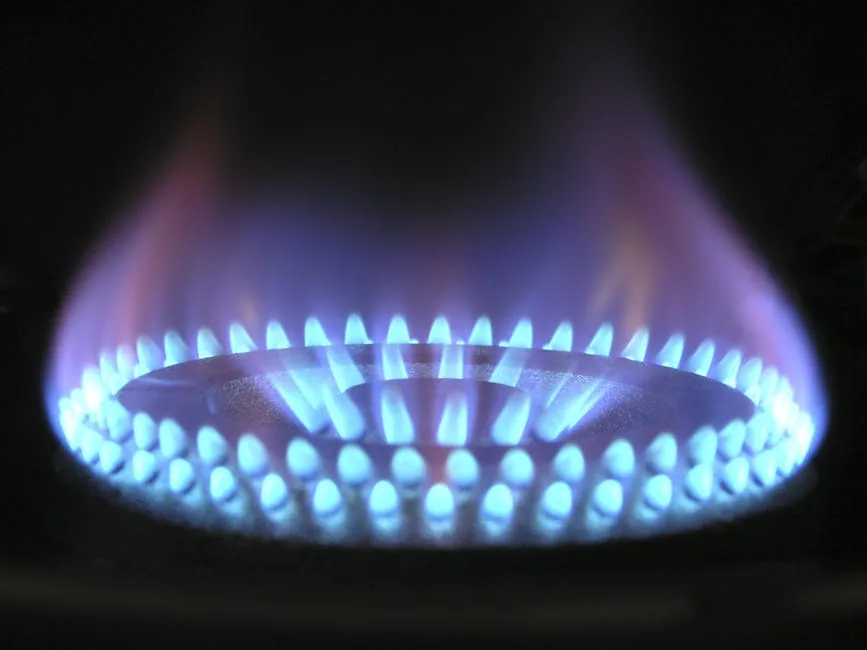
Photo by Pixabay on Pexels
Habit Check: Are You Using the Right Tool?
The most common culprit is a simple mismatch. Using a large appliance for a tiny job forces it to heat a cavern of empty air before it even touches your food. Think of using a full-sized oven to bake a single potato. A toaster oven or air fryer would use far less energy and reach the correct temperature much faster for that small load. Similarly, overcrowding an air fryer basket blocks airflow, causing uneven cooking and longer cycle times.
Appliance Health: The Maintenance Factor
If the habit check passes, look at the appliance’s condition. For any device with exposed heating elements (toaster ovens, air fryers, some electric grills), a layer of baked-on grease and food debris acts as insulation. This crud forces the element to work harder and longer to transfer heat to your food. A simple visual inspection and regular cleaning can restore performance. For older appliances, a worn-out or miscalibrated thermostat can also cause slow heating, as it inaccurately reads the internal temperature.
For a deeper dive on maintenance best practices that preserve efficiency, the ENERGY STAR guide to cooking appliances is a reliable resource.
Symptom 2: The Oversized Portion Trap
This is a stealthy form of energy waste that feels productive—after all, you’re making food! The issue arises when you routinely prepare more food than you can reasonably eat before it goes stale. Cooking portion size appliance energy waste happens in two waves: first, when you heat the excess, and second, when you reheat the leftovers (often multiple times).
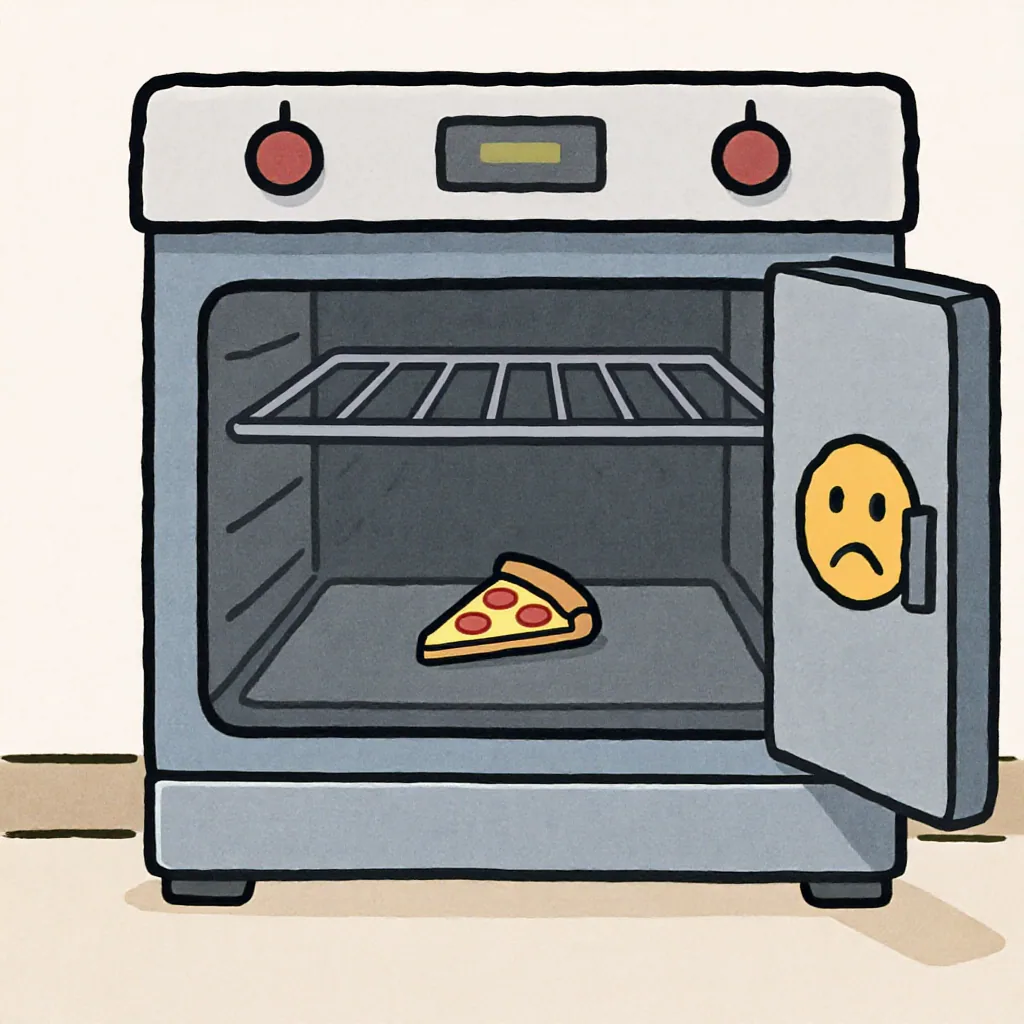
Visualize a single chicken breast rattling around in a large oven, or a cup of soup in a 6-quart pot on a large burner. You’re paying to heat all that unused metal, glass, and air. Smaller, right-sized appliances like a countertop oven, a small saucepan, or a microwave eliminate this “empty space tax.” Before you cook, take a moment to gauge the actual amount you need. If you do batch cook for efficiency, plan to freeze portions immediately to avoid the repeated energy cost of refrigeration and reheating.
Symptom 3: The Silent Power Drain
Some energy waste isn’t about the cooking process itself, but what happens before and after. These passive drains add up on your bill without providing any utility. Break these habits to stop the bleed.
Do:
- Use an electric kettle to boil water for pasta or tea, then transfer it to the pot. It’s significantly faster and uses less energy than a stovetop.
- Skip pre-heating for appliances where it’s not strictly necessary (e.g., for many frozen foods in an air fryer or toaster oven).
- Use the “convection” fan in your oven or toaster oven. It circulates hot air, cooking food faster and at a lower temperature setting.
Don’t:
- Leave appliances like air fryers, coffee makers, or microwaves plugged in 24/7 if they have a digital display or “instant-on” feature. This creates a phantom load.
- Use the “high” or “max” power setting for tasks that don’t need it, like warming a plate or melting butter.
- Use your oven as a food warmer. Keep cooked food on the stovetop with a lid or in a insulated container.
Your Quick Diagnostic Checklist in Action
Now, let’s synthesize everything into a simple, pre-cooking ritual. Run through this quick mental checklist every time you reach for an appliance. It turns awareness into action and prevents waste before it starts.
- Match the Appliance to the Meal: Is this the smallest, most efficient tool for the job? (One potato? Use the toaster oven. Two cups of soup? Use a small pot on a small burner.)
- Check the Load: Am I overcrowding the appliance (blocking airflow) or under-filling it (heating empty space)?
- Inspect for Cleanliness: Are the heating elements, fan, or interior surfaces free of major grease and debris? A quick wipe-down can save minutes of heating time.
- Question the Pre-Heat: Is pre-heating absolutely necessary for this specific food? When in doubt, check the manual—many modern appliances don’t require it.
- Choose the Right Setting: Am I using the appropriate power level or temperature? “High” isn’t always better.
- Plan for the Aftermath: Will these leftovers be eaten soon, or will they likely be reheated multiple times or forgotten? Cook what you’ll realistically consume.
This systematic approach is your most powerful tool against inefficient small appliance use. It addresses the core issues of habit, portion, and waste in one streamlined flow.
Turn Diagnosis Into Daily Habit
The goal isn’t perfection with every meal, but consistent awareness. The small changes you make—choosing a smaller appliance, skipping an unnecessary pre-heat, cleaning a crumb tray—compound dramatically over a month or a year. They lead to lower utility bills, less strain on your appliances (extending their life), and a more efficient kitchen overall.
For the next week, commit to using the diagnostic checklist. You’ll likely find that the new habits become automatic, turning what felt like a chore into a simple, money-saving step in your cooking routine. The power to stop energy waste is, quite literally, at your fingertips.