We’ve all heard the tired advice: the microwave ruins leftovers. But that’s a myth that leads to soggy pizza and dried-out chicken. The truth is, no single appliance is the villain—or the hero. The best way to reheat leftovers by appliance type isn’t about picking a favorite gadget; it’s about matching the right tool to the food’s specific texture and composition. A one-size-fits-all approach is the real culprit behind disappointing meals. This guide cuts through the noise, offering a practical, science-informed strategy to transform your reheated meals from lukewarm letdowns into delicious second acts, saving you time and reducing food waste.
The best way to reheat leftovers by appliance type depends on the food you’re reheating. For moist foods like soups and stews, the microwave is efficient. For crispy items like pizza or fried chicken, an oven or air fryer restores texture. For delicate proteins, a gentle stovetop method prevents overcooking. Always ensure food reaches 165°F (74°C) for safety.
The Science of Reheating: Why Your Appliance Choice Matters
Reheating food isn’t just about making it hot again; it’s about managing heat and moisture. Different appliances apply heat in fundamentally different ways, and choosing the wrong one is why your pizza turns soggy or your chicken dries out. Understanding a few basic principles makes all the difference for efficient leftover reheating that preserves quality.
Microwaves work by emitting radiation that excites water molecules inside your food. This is fantastic for quickly reheating moist dishes like soups or casseroles, but terrible for anything you want to stay crispy, as it steams the food from the inside out. Ovens and air fryers, on the other hand, use convection—circulating hot, dry air around the food. This method is slow but excellent for driving off surface moisture and re-crisping exteriors. The stovetop uses conduction, transferring heat directly from a pan, which gives you precise control for gently reheating delicate proteins or sautéed vegetables without further cooking them.
The universal goal, beyond texture, is safety: ensuring your leftovers reach a safe internal temperature of 165°F (74°C) to eliminate harmful bacteria. A food thermometer is your best friend here. The key to reheating leftovers properly is matching the appliance’s heating method to the food’s structure and moisture content.
Appliance-by-Appliance Reheating Guide
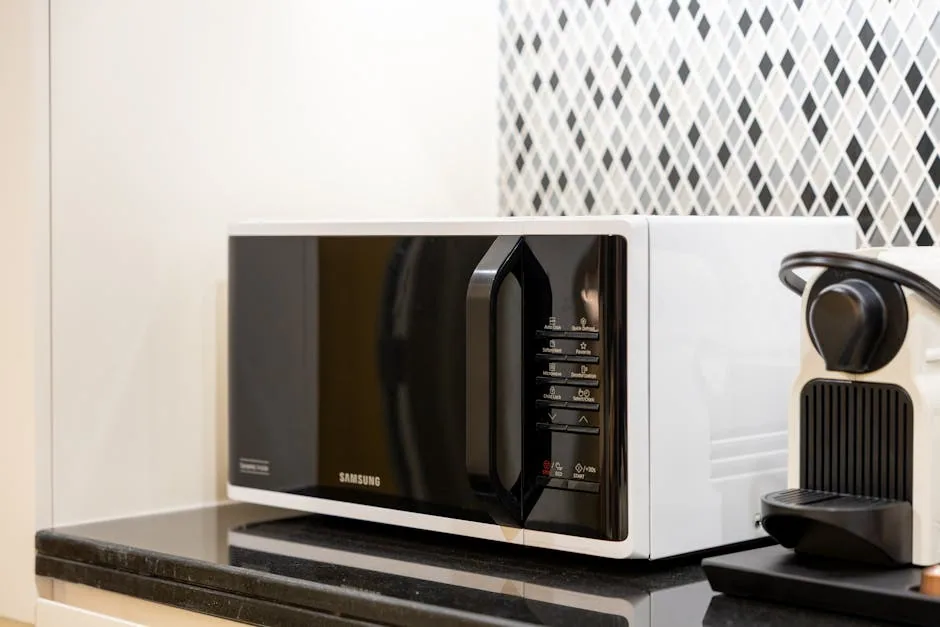
Photo by AJ Ahamad on Pexels
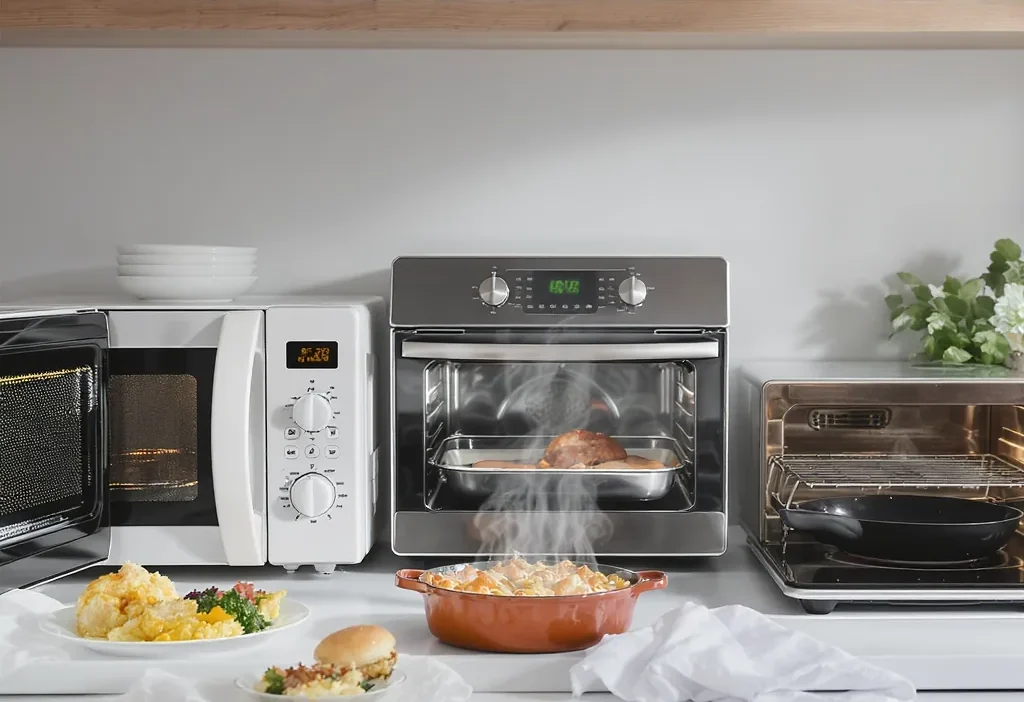
Here’s a direct breakdown of the four main tools in your kitchen arsenal, what they’re best for, and how to use them effectively.
1. The Microwave
Best For: Moist, saucy, or steamed foods (soups, stews, casseroles, pasta sauces, steamed vegetables).
The Method: Use a microwave-safe dish, cover with a damp paper towel or a microwave-safe lid to trap steam, and reheat on medium power (50-70%) in short bursts, stirring in between. This prevents hot spots and overcooked edges.
Pro/Con: Incredibly fast and convenient, but can unevenly heat and ruin textures that require dryness or crispness.
2. The Oven or Toaster Oven
Best For: Foods that need a crispy, roasted, or baked finish (pizza, fried chicken, french fries, roasted vegetables, baked pasta).
The Method: Preheat to 350°F (175°C). Spread food in a single layer on a baking sheet. For items prone to drying, add a splash of water to the tray or cover loosely with foil for the first half of heating. This is the core of the microwave vs oven reheating leftovers debate: the oven wins for texture.
Pro/Con: Restores excellent texture and even heating, but takes significantly longer and uses more energy.
3. The Stovetop
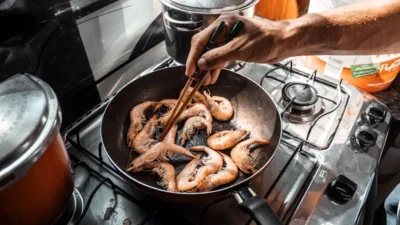
Best For: Delicate proteins (fish fillets, seared scallops), sautéed greens, stir-fries, and sauces.
The Method: Use a pan over low to medium heat, often with a small amount of oil, broth, or water. Reheat gently, tossing or turning frequently. For sauces or soups, a saucepan on low heat with occasional stirring is perfect.
Pro/Con: Offers the most control to prevent overcooking, but requires active attention and can dirty an extra pan.
4. The Air Fryer
Best For: Anything you want super crispy with less oil (leftover fries, wings, spring rolls, breaded cutlets).
The Method: Preheat if your model requires it. Place food in the basket in a single layer. Reheat at 320-350°F (160-175°C) for 3-5 minutes, checking and shaking the basket halfway through.
Pro/Con: Faster than a conventional oven and excels at reviving fried textures, but has limited capacity and isn’t ideal for liquid-based foods.
Common Reheating Mistakes and How to Avoid Them
Even with the right appliance, small errors can lead to disappointing results. Here’s a quick list of common pitfalls and their simple fixes.
Don’t: Blast everything on high power in the microwave.
Do: Use medium power and reheat in intervals. This allows heat to distribute evenly without turning edges into rubber.
Don’t: Reheat a large, dense portion of food all at once.
Do: Spread food out in a single layer or cut it into smaller pieces. This reduces reheating time and improves consistency.
Don’t: Skip the “standing time” after microwaving.
Do: Let the food sit for a minute or two after the timer beeps. The residual heat continues to distribute, finishing the job more evenly.
Don’t: Reheat food in its original takeout container unless it’s clearly labeled microwave-safe.
Do: Transfer food to a proper plate or bowl. Some containers can warp, melt, or leach chemicals into your food when heated.
Don’t: Assume your reheated food is safe because it’s “steaming hot.”
Do: Use a food thermometer to verify it has reached 165°F (74°C) in the thickest part, especially for meats, poultry, and seafood. The USDA provides clear guidelines on safe temperatures.
Your Quick Decision Guide: What to Use When
Photo by Brett Jordan on Pexels
When you’re staring at a container of leftovers and just need a fast answer, use this simple flow to choose your weapon. It synthesizes everything into a moment-of-decision cheat sheet.
Is it soup, stew, or something very saucy? → Use the Microwave. Cover it and use medium power.
Is it pizza, fried food, or something that was originally crispy/baked? → Use the Oven, Toaster Oven, or Air Fryer. Low and slow heat will bring back the crunch.
Is it a delicate piece of fish, sautéed veggies, or a stir-fry? → Use the Stovetop. Gentle, direct heat gives you the control you need.
Not sure or it’s a mixed plate? → Deconstruct it slightly. Reheat the saucy parts in the microwave and the crispy components in the oven or air fryer, then combine. This extra minute of thought is the secret to efficient leftover reheating that actually tastes good.
Reheat Smarter, Not Harder
The path to better leftovers is breaking the automatic microwave habit. By matching your appliance to the food’s needs—moisture for the microwave, dry heat for the oven, gentle warmth for the stovetop—you transform reheating from a chore into a simple technique. You’ll waste less food, enjoy your meals more, and finally solve the eternal microwave vs oven reheating leftovers dilemma. Your next step? The next time you meal-prep or have takeout leftovers, pause for two seconds and pick the tool that fits. Your taste buds will thank you.