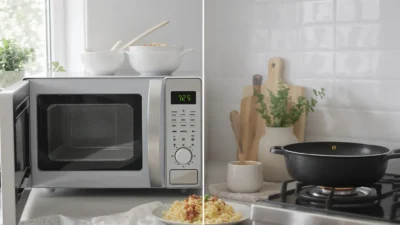
You pull last night’s pasta from the fridge, pop it in the microwave, and hit the usual buttons. What emerges is a culinary paradox: a plate of lava-hot noodles surrounding a still-chilled meatball, all swimming in a pool of separated sauce. Or maybe you’re trying to defrost chicken for dinner, only to find the edges have started to cook while the center remains a frozen brick. These aren’t failures of the appliance; they’re simply the result of missing a few key steps. The good news is that transforming your microwave from a guesswork machine into a reliable, efficient tool doesn’t require a culinary degree—just a simple, repeatable system. This microwave cooking checklist for efficiency is that system. It’s a practical guide that combines the right container choices, strategic power settings, and simple techniques to ensure your reheated meals are evenly hot and your defrosted items are safe and ready to cook, all while saving you time and energy.
An efficient microwave checklist combines the right container, power level, and simple techniques like stirring or arranging food in a ring to ensure even, safe reheating and defrosting while saving energy. It’s not about complicated rules, but a few foundational habits: always using microwave-safe containers, lowering the power for most tasks, and allowing for a crucial resting time to let heat distribute evenly. Mastering this core protocol turns rushed, uneven results into consistently good ones.
Your Core Microwave Efficiency Checklist
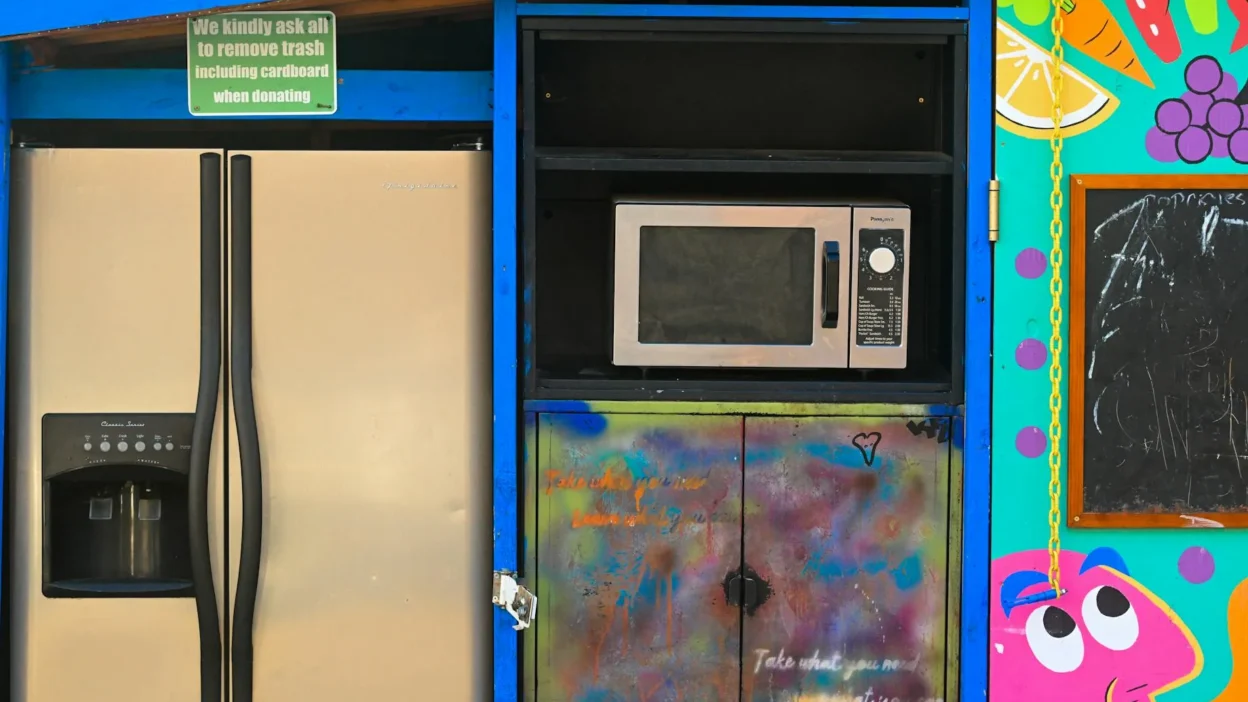
Photo by Jakub Zerdzicki on Pexels
Before you even press start, run through this universal list. These five steps are the foundation of any efficient microwave reheating checklist and will save you from most common disappointments.
- Verify Container Safety: Only use containers marked as microwave-safe. Look for the symbol (often wavy lines or the words “microwave safe”). Never use metal, aluminum foil, or takeout containers with metal handles. The FDA provides clear guidance on this.
- Adjust the Power Level: Defaulting to 100% (High) power is the #1 cause of uneven, tough, or exploded food. For reheating, 50-70% power is your friend. For defrosting, use 30-50% or the dedicated defrost setting.
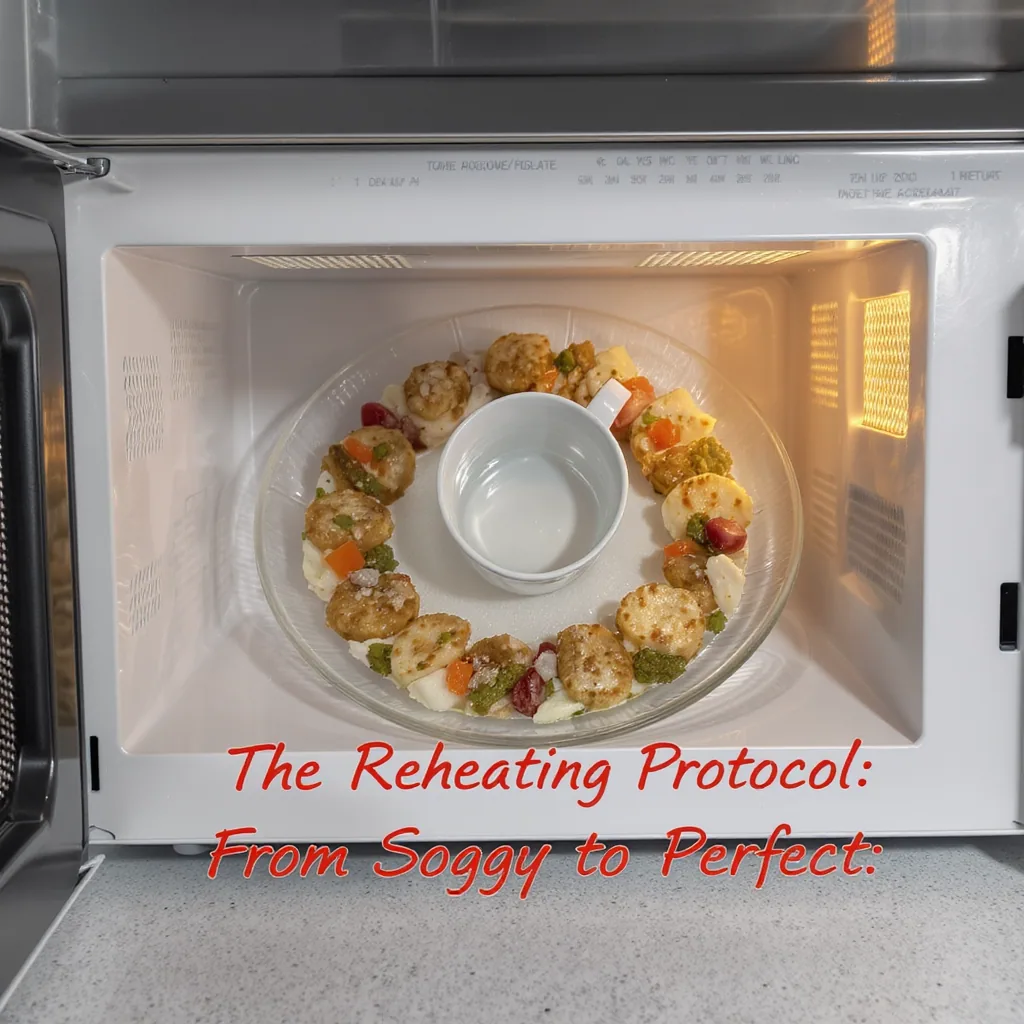
- Arrange for Even Exposure: Place food in a ring or donut shape on the plate, leaving the center empty. Dense items (like potatoes) go to the outer edge. This simple microwave time-saving tip helps the waves reach all parts of the food.
- Cover Loosely: Use a microwave-safe lid, plate, or a damp paper towel. This traps steam, which reheats food more evenly, prevents splatters, and stops items like bread from turning into leather.
- Stir, Flip, or Rotate: Pause halfway through. Stir soups and sauces. Flip over a piece of chicken. Rotate the plate 180 degrees if your microwave doesn’t have a turntable. This breaks up cold spots.
- Respect the Rest Time: Let the food sit in the microwave for 1-2 minutes after the timer stops. The heat continues to distribute during this standing time, finishing the job without additional power.
The Reheating Protocol: From Soggy to Perfect
Now, let’s apply the core checklist to specific foods. The goal is to reheat food evenly in the microwave while preserving texture and moisture, which is the heart of energy-saving microwave use—getting it right the first time.
For Soups, Sauces, and Casseroles
Transfer to a wide, shallow bowl. Cover loosely. Heat on 70% power for 2 minutes, stir thoroughly, then heat in additional 1-minute increments until hot. The stirring is non-negotiable for even heat.
For Plate Lunches (Meat, Veg, Starches)
Arrange components in a ring. Place denser, thicker items (meat, potato) at the outer edge, with lighter veggies toward the center. Add a splash of water to the plate or cover with a damp paper towel. Use 60% power for 2-3 minutes, then check.
For Pizza and Breads
To avoid gumminess, place a cup of water in the microwave alongside your plate. The water absorbs excess microwave energy, preventing the crust from becoming tough while the toppings heat through. Heat on 50% power for 45-60 seconds.
For Rice and Pasta
Sprinkle a tablespoon of water over the grains or noodles before covering. This reintroduces moisture lost during refrigeration. Heat on 70% power in 1-minute intervals, fluffing with a fork between each.
The Defrosting Protocol: Safe and Even Thawing
Defrosting is where a methodical approach is critical for both quality and safety. The key is low, slow heat to thaw the interior without cooking the exterior. Following a proper safe defrosting protocol prevents bacterial growth.
For Meat and Poultry
Remove store packaging and place the meat on a microwave-safe plate. Use the defrost setting or 30% power. A general rule is 3-5 minutes per pound, but to defrost meat properly in the microwave, you must pause halfway to separate pieces, flip, and remove any thawed portions. The moment it’s pliable but still icy, stop. Cook it immediately. The USDA stresses that food should not be refrozen if thawed in the microwave unless it is cooked first.
For Frozen Vegetables or Fruits
Place in a covered microwave-safe dish with a tablespoon or two of water. Use 50% power for 2-3 minutes, stir or shake halfway. This gentle approach, part of good microwave defrost energy tips, uses less power than the high setting and yields better texture.
Common Microwave Mistakes to Avoid
Even with a good checklist, old habits can creep in. Here’s a quick “Do/Don’t” guide to lock in your efficiency gains.
Don’t: Use metal or non-microwave-safe plastics.
Do: Always check for the microwave-safe symbol. When in doubt, use glass or ceramic.
Don’t: Heat liquids or foods with tight skins (e.g., whole eggs, potatoes, sausages) without piercing or scoring them first.
Do: Pierce skins or stir liquids before heating to prevent dangerous pressure build-up and explosions.
Don’t: Defrost a large roast or whole chicken on high power. The outside will cook while the inside stays frozen.
Do: Always use low power or the defrost setting for large items, and plan for the extra time it requires.
Don’t: Overcrowd the plate or container.
Do: Reheat in smaller, single-layer batches. Crowded food blocks the microwaves, leading to cold spots.
Don’t: Skip the standing time and eat immediately.
Do: Let your food rest for a minute or two. This final “cook” ensures the temperature evens out, making the last zap unnecessary.
Master Your Microwave, Master Your Meals
Efficiency in the kitchen isn’t about fancy gadgets; it’s about using the tools you have with intention. This simple system—container, power, arrangement, cover, pause, rest—transforms your microwave from a guessing game into a reliable partner. By adopting this microwave efficiency guide, you’re not just saving a few minutes or watts. You’re rescuing leftovers from the soggy abyss, thawing food safely, and ultimately reducing waste. Keep this checklist handy, and you’ll find that the quickest appliance in your kitchen just became the smartest one, too.