You know the feeling. You pull your lunch out of the microwave, take that first hopeful bite, and… it’s cold in the middle. The edges are lava, the center is a tundra. It’s a universal kitchen frustration, but it’s not a mystery—it’s a simple physics problem with an even simpler solution. The secret to faster, more even heating isn’t a magic button or a new appliance; it’s using the microwave covers and containers you already own in a specific, replicable way. This isn’t about just slapping a lid on; it’s about creating a mini steam oven inside your microwave. By managing steam effectively, you can trap heat energy and distribute it more efficiently, turning a sluggish reheat into a quick, uniform warm-up. Let’s ditch the cold spots for good.
The best way to use microwave covers for faster heating is to choose a vented lid or a microwave-safe plate, leave a small gap for steam to escape, and pair it with a shallow, wide container. This creates a mini steam oven effect that heats food more quickly and evenly than leaving it uncovered or using a tight seal.
The Core Principle: It’s All About Steam Management
Let’s cut to the chase: microwaves heat unevenly. They excite water molecules, which creates heat, but that heat tends to concentrate in certain spots, leaving you with a lava-hot edge and a frozen center. The secret to faster, more uniform heating isn’t a more powerful microwave—it’s smarter microwave steam cover usage. smarter microwave steam cover usage
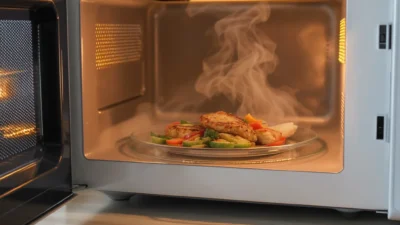
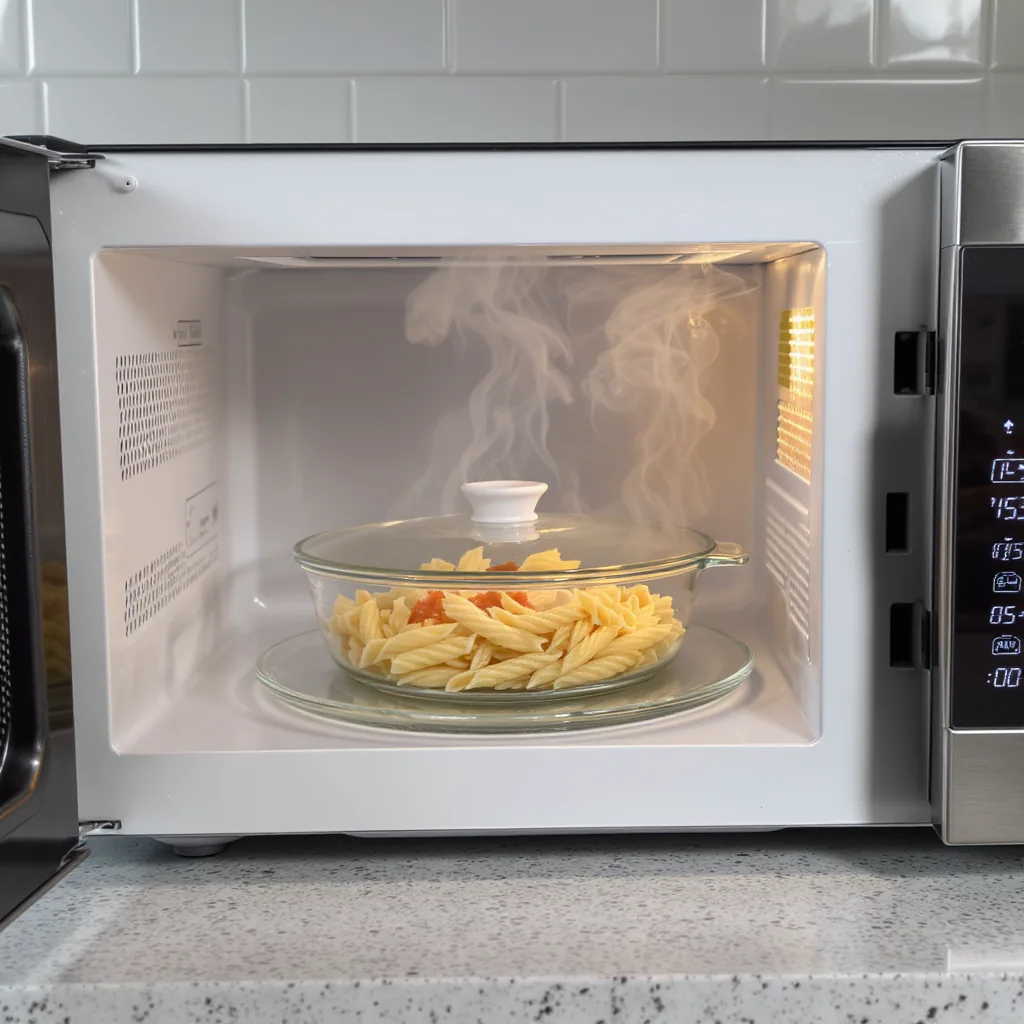
A cover traps the steam that naturally escapes from your food as it heats. Steam is a fantastic conductor of heat—far better than the dry air inside your microwave. By creating a contained, humid environment, you’re essentially turning your microwave into a mini steam oven. The steam circulates, transferring heat energy to cooler areas of the food, cooking it from the outside in and the inside out simultaneously. The goal isn’t to create a sealed pressure cooker, but to manage that steam for efficient microwave reheating.

Photo by Ekaterina Belinskaya on Pexels
Your 4-Part Protocol for Faster Heating
Forget guesswork. Follow this simple, repeatable playbook to slash your reheating time and banish cold spots for good.
1. Start with the Right Container
Shape matters more than you think. Ditch the deep bowl. Opt for a wide, shallow dish or plate. This spreads your food into a thinner layer, giving the microwaves more surface area to penetrate at once. It’s a fundamental boost to microwave container heat efficiency.
2. Choose Your Cover Wisely
Not all covers are created equal. Your best options are:
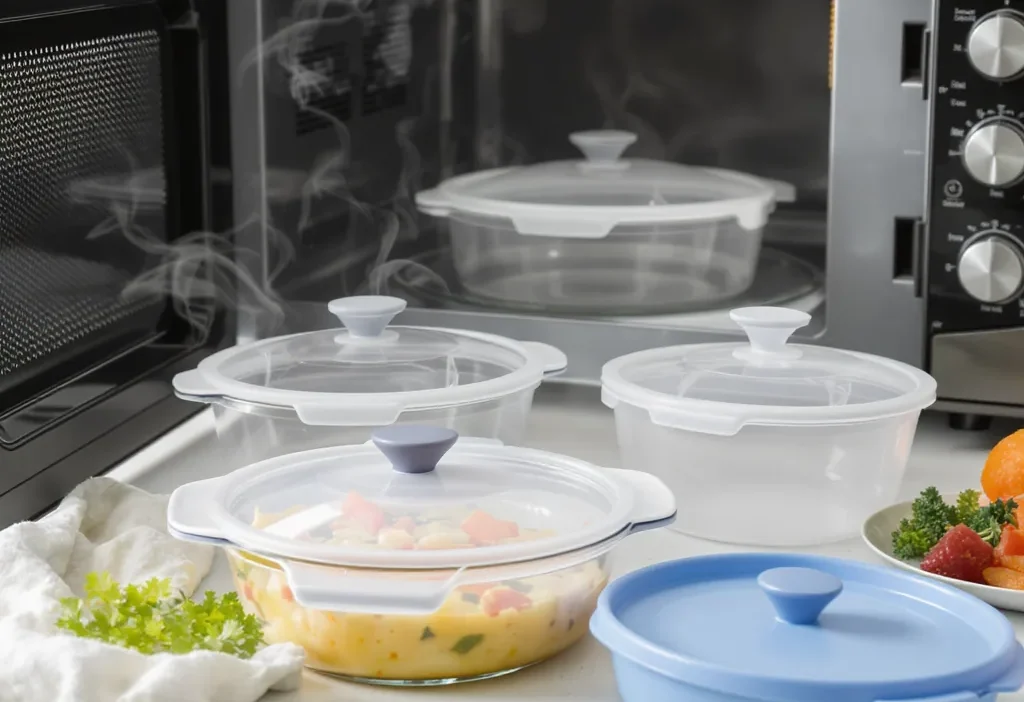
- A Vented Plastic Lid: The gold standard for microwave safe cover cooking. The built-in vents allow controlled steam release without letting all the moisture escape.
- A Microwave-Safe Plate: Simply invert a second plate over your food. It creates a gap around the edges for perfect venting and is easy to clean.
- A Damp Paper Towel: A brilliant hack for moist foods like rice or steamed veggies. The damp towel releases its own steam while preventing splatter.
3. Apply the “Finger-Width Gap” Rule
Never seal your food airtight. If using a lid without a vent, leave it slightly askew. If using a plate, the natural gap is perfect. You want enough space for a gentle release of excess pressure and steam—about the width of a pencil or your fingertip. This prevents sogginess and dangerous pressure build-up while still trapping beneficial heat.
4. Adjust Your Time and Power
Because this method is more efficient, you often need less time. A good rule of thumb: start by reducing your usual cook time by 20-30%. You can always add 15-second bursts if needed. This prevents overcooking the edges while waiting for the center to catch up.
Material Matters: Choosing Your Cover & Container
Safety and performance go hand-in-hand. Here’s a quick guide to what works and what doesn’t.
DO:
- Use containers and lids marked “Microwave-Safe.” Look for the squiggly line symbol.
- Choose heat-tolerant materials like glass, ceramic, or polypropylene (often labeled PP5).
- Prefer glass or ceramic for the best, most even heat distribution.
DON’T:
- Use any metal, including twist-ties or decorative trim. It can spark and cause damage.
- Use non-vented plastic wrap sealed tightly over a dish. It can melt or cause a dangerous steam explosion.
- Use styrofoam, takeout containers not labeled microwave-safe, or any plastic that feels flimsy or thin.
- Use cracked or chipped containers, as they can harbor bacteria and may break under heat stress.
Common Speed Bumps (And How to Avoid Them)
Even with the right tools, a few missteps can slow you down. Here are the typical pitfalls and their easy fixes.
Mistake 1: Creating a Pressure Bomb
The Problem: Sealing a lid on tightly with no vent. Steam pressure builds until the lid pops off violently, making a mess and potentially causing burns.
The Fix: Always, always leave that vent or gap. Controlled steam is your friend; trapped steam is a hazard.
Mistake 2: The Deep Bowl Dilemma
The Problem: Using a deep, narrow container. The microwaves heat the top layer and edges, but the heat struggles to penetrate down into the center, leaving the bottom cold.
The Fix: Transfer food to a shallow, wide dish. If you must use a bowl, stir or rearrange the food halfway through heating.
Mistake 3: Assuming All Covers Are Equal
The Problem: Using a solid, non-vented lid the same way you’d use a vented one.
The Fix: Match your technique to your tool. A solid lid needs to be left ajar. A vented lid can be placed directly on. A paper towel is best for items you want to re-crisp slightly.
Mistake 4: Not Adjusting Your Routine
The Problem: Using the same 2-minute setting you’ve always used, even with a proper cover. This leads to overcooked, rubbery food.
The Fix: Embrace the efficiency! Start with less time and check early. Your food will heat faster, so your timer should reflect that.
The Fast Track to Better Leftovers
Mastering the best way to use microwave covers for faster heating comes down to a simple, worthwhile trade-off. You exchange the absolute minimal cleanup of no cover (or tossing a paper towel) for the minor task of washing a lid or plate. In return, you get significantly faster, more even results that make last night’s dinner taste freshly made.
This isn’t about buying special gadgets; it’s about using what you already have more intentionally. The next time you reach for the microwave, grab a shallow dish and a vented cover. Apply the finger-width gap rule, reduce your time, and experience the difference controlled steam makes. Your taste buds—and your schedule—will thank you.