You’ve likely spent years focusing on temperature and timer settings, believing they were the master controls for your oven. But here’s the counterintuitive truth: the best way to use oven racks and pans efficiently is to treat them as your oven’s hidden control panel for speed and consistency. Your oven isn’t a uniform box of heat; it’s a dynamic chamber with distinct zones. Mastering a simple setup protocol for rack positioning and pan selection is what transforms erratic results into faster, more energy-efficient cooking. This isn’t about fancy gear—it’s about working with the physics of your appliance to get perfectly browned tops, crisp bottoms, and evenly cooked centers, every single time.
The best way to use oven racks and pans efficiently is to treat your oven like a heat chamber with distinct zones. For most single-item cooking, place the rack in the center. Use the upper third for browning and finishing, and the lower third for crust development. Match pan material and color to your goal: light pans for even baking, dark pans for browning. Always leave space for air to circulate around pans.
The Oven Heat Map: Understanding Your Cooking Zones
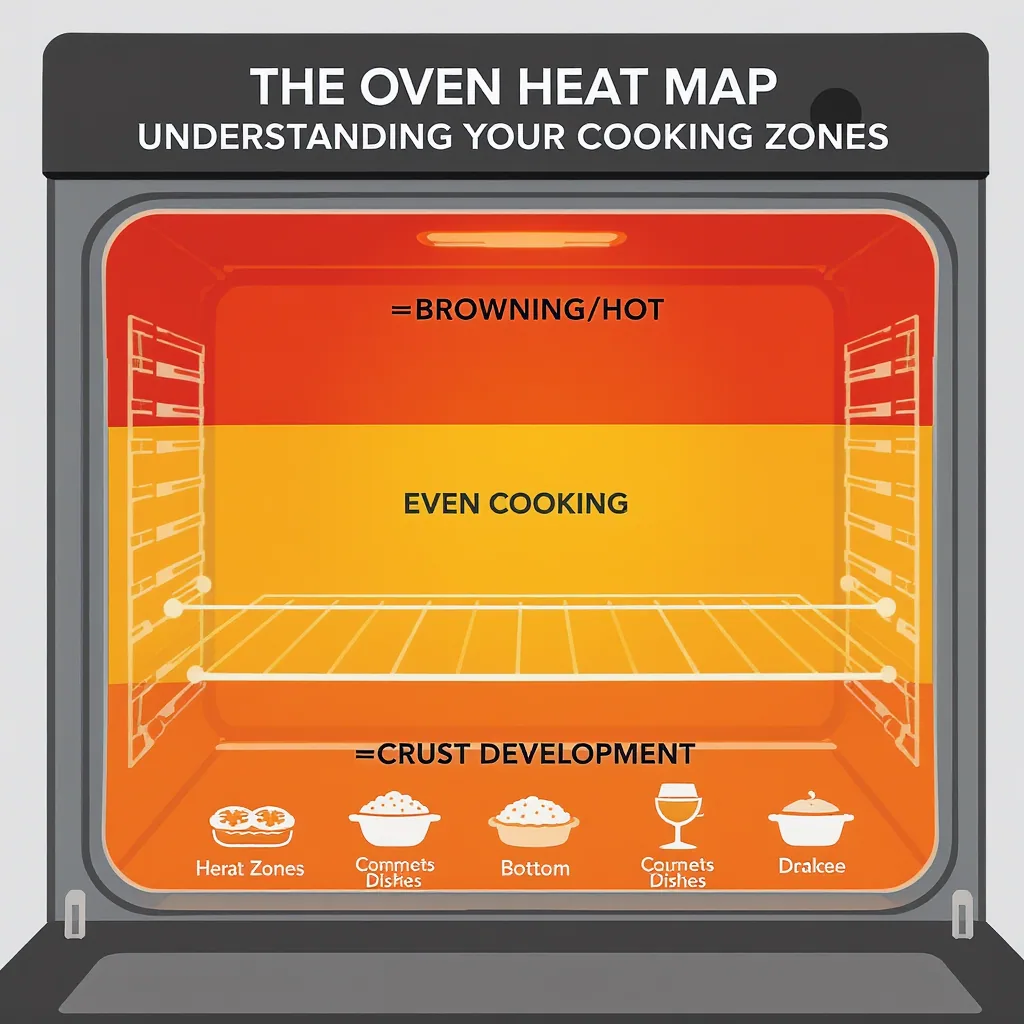
Think of your oven not as a uniform box, but as a heat chamber with distinct zones. Hot air rises, making the top third of your oven the hottest area. The bottom third is where heating elements (in electric ovens) or flames (in gas ovens) directly radiate heat, creating a zone perfect for developing a crisp bottom crust. The middle rack is the sweet spot—the most balanced zone for even cooking.
Understanding this simple map is the first step to a faster oven cooking setup. By placing your food in the zone that matches your goal, you work with the oven’s natural oven heat circulation, not against it. You’ll get the browning, rise, or crispness you want without constantly adjusting the temperature or extending the cook time.
The Rack Placement Protocol: A Rule for Every Dish
Photo by Annelies Brouw on Pexels
With the heat map in mind, here’s your actionable protocol for oven rack positioning for even cooking. Always preheat your oven with the rack already in its target position.
For Single-Item Cooking
Center rack: This is your default for 90% of baking and roasting. Cookies, cakes, casseroles, and a whole chicken all benefit from the even, ambient heat of the middle zone for consistent results.
For Multi-Rack Cooking
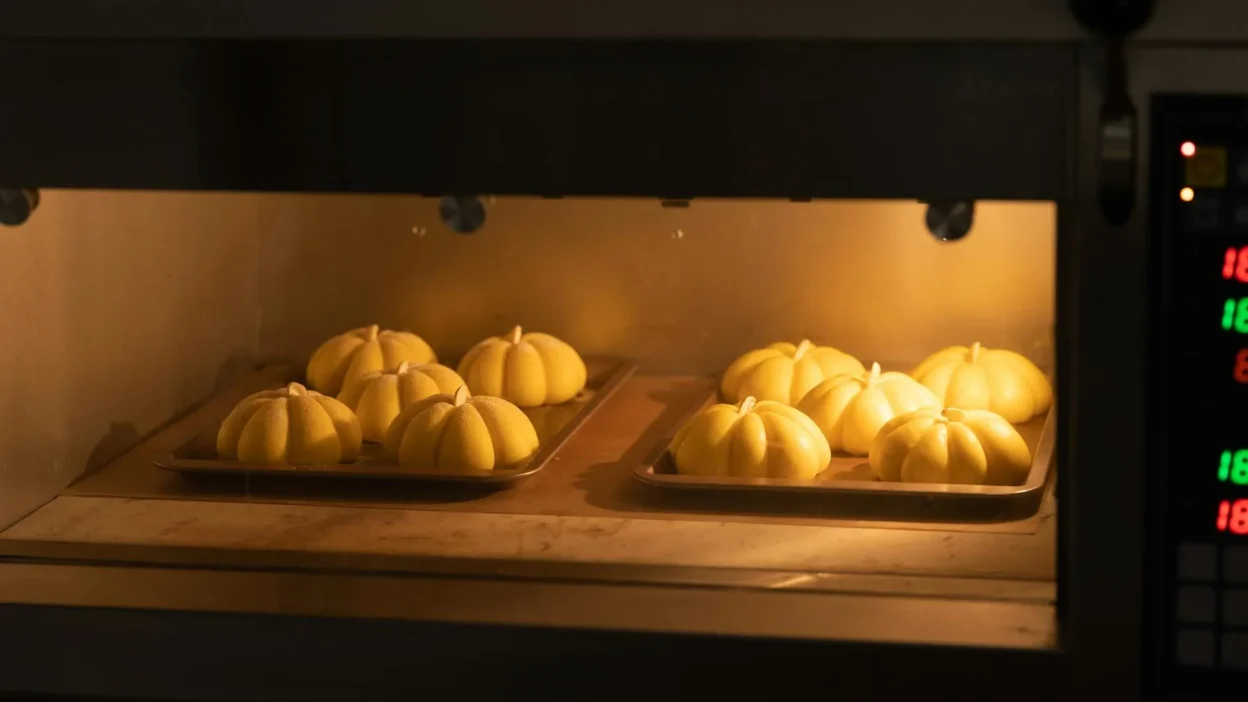
When using two racks, stagger them. Place one rack in the upper third and the other in the lower third, but offset the pans so they aren’t directly above each other. This creates a zig-zag path for hot air to flow, which is crucial for efficient oven pan arrangement. Always rotate and swap the pans halfway through cooking.
For Specific Goals
Use the upper third when you need intense top heat: for finishing a gratin with a bubbly cheese crust, browning the tops of casseroles, or broiling (with the pan placed 4-6 inches from the broiler element).
Use the lower third when you want a solid bottom crust: for baking pizza, blind-baking a pie crust, or getting a crispy bottom on bread rolls.
Pan Selection & Placement: Your Efficiency Multipliers
Your choice of pan and how you place it are the final levers for oven pan placement energy saving and speed. The right pan acts like a heat conductor, while proper placement ensures that heat can actually reach it.
Material and Color Matter
Light-colored, shiny pans (like aluminum) reflect heat. They promote gentle, even baking and are ideal for delicate items like cookies and cakes where you want to avoid over-browning the bottoms.
Dark-colored or non-stick pans absorb heat aggressively. They can lead to faster browning and crisping, which is great for roasted vegetables or frozen fries. When using a dark pan, you may need to reduce the oven temperature by 25°F to prevent over-browning, according to guidance from sources like King Arthur Baking.
Glass and ceramic pans heat slowly and retain heat well, leading to more carryover cooking. They’re excellent for custards and cobblers but often require a slightly lower temperature.
The Critical Rule of Airflow
No matter what pan you use, always leave space. Position pans so at least 1-2 inches of air can circulate on all sides and between racks. Overcrowding blocks heat flow, creating cool spots and forcing your oven to work harder and longer. This simple act of spacing is a major key to energy-efficient oven use with pans.
Common Setup Mistakes That Slow You Down
Even with the best intentions, small habits can undermine your efficiency. Here are the most frequent setup errors and how to fix them.
Overcrowding the oven: Jamming in every sheet pan at once seems efficient but drastically increases cook time and leads to uneven results. Cook in batches if necessary, or use a larger pan instead of two small ones.
Using the wrong pan for the job: Baking a delicate sponge cake in a dark non-stick pan will likely give you a tough, over-brown edge. Match the pan to the food’s needs.
Ignoring rack position in recipes: When a recipe says “place on the middle rack,” it’s calculating time and temperature based on that specific heat zone. Moving it can throw off the results.
Blocking oven vents: Most ovens have vents at the back or top. Placing a large pan or foil directly over them disrupts airflow and can affect temperature accuracy.
Not rotating pans: In ovens with natural hot spots (and most have them), a simple 180-degree rotation halfway through cooking compensates for uneven heat and is essential for multi-rack cooking strategies.
Your New Preheating Ritual
Mastering your oven’s setup transforms it from a simple appliance into a precise tool. The true secret isn’t a hidden button or a special mode—it’s the intentional minute you spend before you even turn the dial.
So, make this your new ritual: before preheating, pause. Decide on your goal (browning, even baking, crisping), select the right pan and rack position to achieve it, and place everything with space to breathe. This small, decisive shift in routine is what unlocks consistently faster, better, and more energy-conscious cooking from every meal you make.