Imagine your kitchen is a drafty old house. Every time you turn on the oven, it’s like cranking the furnace with all the windows wide open—precious warmth (and money) just pours out into the neighborhood. That’s essentially what happens with inefficient heat retention and preheat habits cooking. We’ve been taught to preheat religiously, often for longer than necessary, while ignoring the simple physics of how heat escapes from thin pans, around loose lids, and through an oven door we can’t help but peek into. This article isn’t about cooking less or compromising on results; it’s about cooking smarter. By shifting your focus from a rigid preheat timer to a holistic understanding of thermal management, you can significantly reduce cooking heat loss, lower your energy use, and gain more consistent control in the kitchen—all without a major appliance upgrade.
To cook with lower energy, focus less on rigid preheating rules and more on retaining the heat you already generate. The biggest savings come from using heavy-bottomed pots, keeping lids on, and understanding when your food truly needs a hot start. For most home cooking, a combination of selective preheating and simple retention techniques can cut your cooking energy use by 10-20% without sacrificing quality.
The Great Preheat Debate: Myth vs. Kitchen Reality
For decades, the rule was simple: always preheat your oven. It was presented as non-negotiable for good results. But in the pursuit of lower-energy cooking, it’s time to separate the thermal facts from the fossilized folklore. Let’s bust a few persistent myths.
Myth: You Must Always Preheat for 20+ Minutes
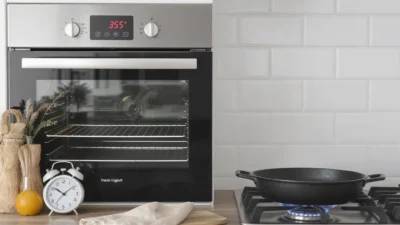
Reality: Modern electric and gas ovens reach their target temperature much faster than their older counterparts, often in 10-15 minutes. Preheating for longer than necessary is simply heating an empty box, wasting energy. For many dishes, a shorter preheat—or none at all—is perfectly adequate.
Myth: Preheating is Essential for All Baking
Reality: This depends entirely on what you’re baking. Delicate pastries, cakes, and breads that rely on a sudden “oven spring” do need that initial blast of heat. However, casseroles, roasted vegetables, or even some cookies are far more forgiving. Starting them in a cold oven can allow for more even cooking from the inside out, which is one of the most practical preheat energy saving tips.
Myth: A Stovetop Pan Must Always Be Screaming Hot
Reality: While a ripping-hot pan is non-negotiable for a perfect steak sear, it’s overkill for sautéing onions or simmering a sauce. Starting with a moderately heated pan and allowing it to come up to temperature with the food inside is a fantastic way to reduce cooking heat loss and prevent burning. The key is matching the heat level to the task.
Understanding these distinctions is the first step toward energy-efficient preheating. It’s not about abandoning the practice, but about applying it intelligently. For a deeper look at how modern appliances perform, resources like the U.S. Department of Energy’s guidelines on kitchen appliances can provide useful context.
Where Your Cooking Heat Actually Goes (And How to Trap It)
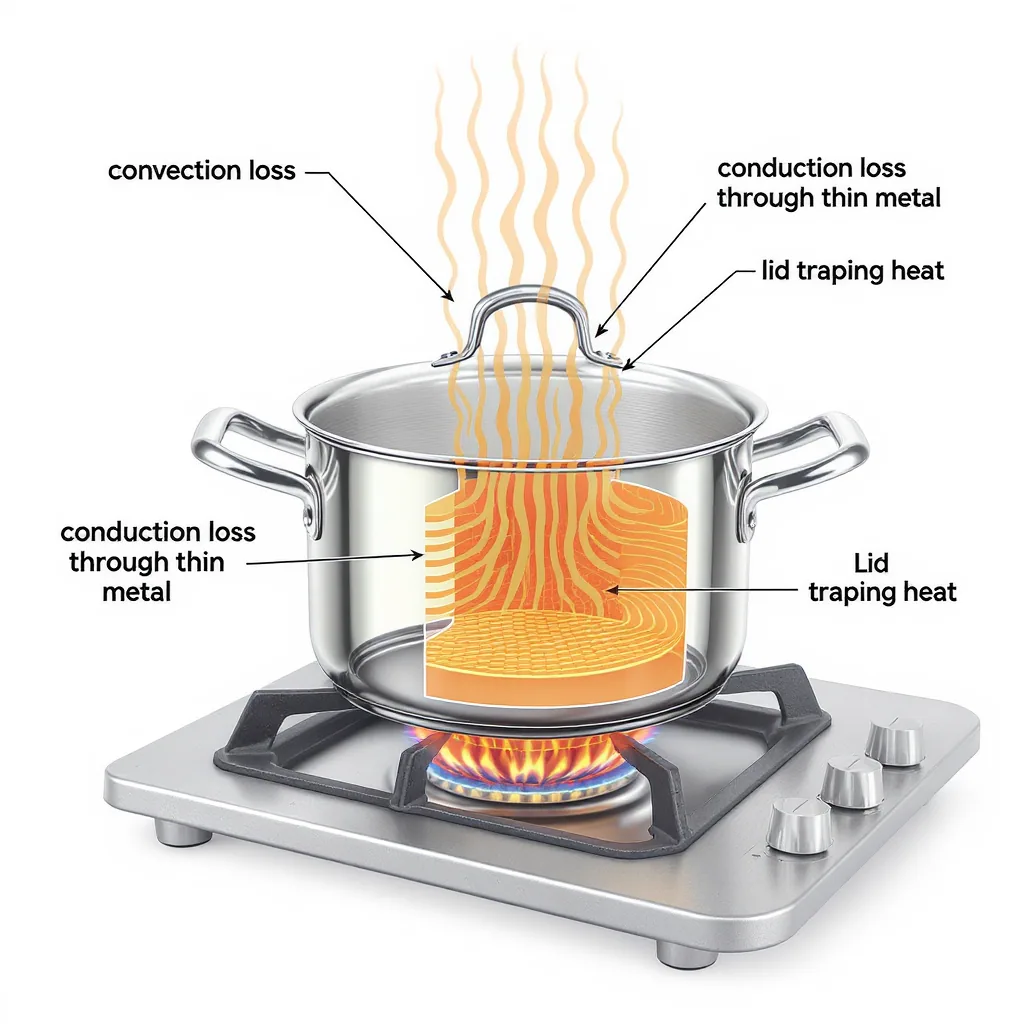
To cook efficiently, you need to think like a heat accountant. The energy from your burner or oven element doesn’t just magically transfer into your food. It escapes through three main pathways, and your goal is to plug the leaks.
Conduction is heat moving through solid materials. A thin, warped pan conducts heat poorly and unevenly, losing energy to the surrounding air instead of transferring it to your food. The fix? Cookware with high thermal mass—like cast iron, clad stainless steel, or heavy-duty enameled Dutch ovens. These materials absorb and hold heat steadily, creating a consistent cooking environment and reducing the need for constant high energy input.
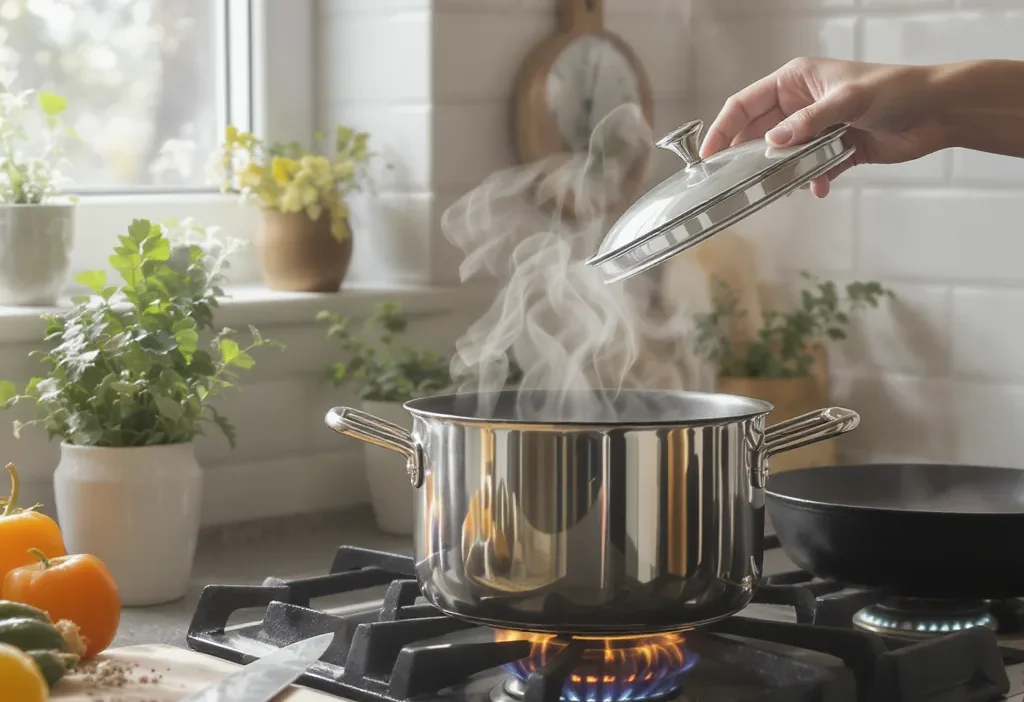
Convection is heat loss through air or liquid movement. Every time you open the oven door, a rush of hot air escapes and is replaced by cooler room air, forcing the oven to reheat. On the stovetop, steam carrying heat billows out from an uncovered pot. The simple, powerful solution here is to keep lids on.
Radiation is infrared heat beaming away from hot surfaces. While you can’t stop it entirely, using a lid reflects some of this energy back toward the food, and ensuring your cookware matches the size of your burner minimizes radiation loss to the surrounding stovetop. Mastering these cooking heat retention techniques is what turns a wasteful process into an efficient one.
A Smarter Preheat Protocol: Decision Points, Not Dogma
Photo by Maria Orlova on Pexels
Forget the one-size-fits-all rule. Transform preheating from a mindless habit into a conscious choice by asking a simple question: “What does my food need to succeed?” This decision-tree approach is the core of efficient oven and stovetop habits.
Yes, Preheat For This:
Sensitive Baked Goods: Breads, cakes, pastries, and soufflés need an immediate, consistent heat environment to set structure and rise properly. Here, preheating is non-negotiable, but 10-15 minutes is usually sufficient.
High-Temp Searing: To get a perfect crust on meat or scallops without overcooking the interior, your pan must be very hot before the food touches it. Preheat your heavy pan dry for a few minutes until it just starts to shimmer.
Maybe, Short Preheat or Skip For This:
Roasted Vegetables & Meats: These are often forgiving. Starting in a cold oven can help render fat slowly and cook more evenly. If you prefer a hot start, a 5-10 minute preheat is often enough, as the food itself will lower the oven temp when added, and the oven will recover during the long cook time.
Casseroles & Baked Pastas: Similar to roasts, these dense dishes benefit from gradual, even heating. Skipping the preheat can prevent the edges from overcooking before the center is hot.
No, Don’t Bother Preheating For This:
Boiling Water: Putting a lid on a cold pot and bringing it to a boil is actually more efficient. The lid traps heat, speeding the process. There’s no advantage to preheating an empty pot.
Slow Simmers & Braises: These dishes cook for hours at low temperatures. The energy used to preheat the oven to, say, 300°F is a tiny fraction of the total cook. You can safely put your Dutch oven in a cold oven, set the temperature, and walk away.
Your Heat Retention Toolkit: Habits Beyond the Preheat
Smart preheating is just the first move. The real game is played by maximizing the heat you’ve already paid for throughout the entire cooking process. Think of these as your essential heat retention techniques.
Do:
- Use the Right Lid: A tight-fitting lid is the most effective tool in your kitchen to reduce cooking heat loss. It traps steam and convective heat, dramatically cutting cooking time and energy use.
- Match Pan to Burner: A small pot on a large burner wastes energy as heat flares up the sides. Conversely, a large pan on a small burner heats unevenly.
- Embrace Residual Heat: Turn off the burner or oven 5-10 minutes before your food is done. The retained heat in your cookware (its thermal mass) will finish the job perfectly for pasta, roasted veggies, or casseroles.
- Thaw First: Starting with frozen food forces your appliance to waste massive energy just on defrosting. Plan ahead and thaw in the refrigerator.
Don’t:
- Peek in the Oven: Every door opening can lower the internal temperature by 25°F or more. Use the light and window instead.
- Over-Stir a Boiling Pot: Constant stirring releases steam and heat. A gentle simmer with a lid does the work with less energy.
- Use Warped or Thin Cookware: They create poor contact with the heat source, leading to hot spots and wasted energy. Invest in one or two high-quality, flat-bottomed pans.
- Crowd the Pan: Overloading lowers the temperature drastically, causing food to steam instead of sear and extending cooking time. Cook in batches if necessary.
Common Energy Leaks (And How to Plug Them)
Even with the best intentions, small habits can undermine your efforts. These are the most frequent energy leaks in home kitchens—and the simple fixes that plug them. Recognizing these is key to saving energy by preheating less and cooking smarter overall.
The “Just Checking” Oven Peek: We’ve all done it. But that quick glance costs real energy. Fix: Trust your timer and use the oven light. If you must check, do it quickly towards the end of the cook time.
Boiling on High Heat: Once water is boiling, turning the heat down to a gentle simmer maintains the exact same temperature (212°F/100°C) but uses far less energy. A rolling boil is only needed for pasta, and even then, you can reduce it after adding the noodles. Fix: Dial back the burner as soon as a boil is achieved.
Ignoring Residual Heat: Your turned-off burner or oven is still hot for several minutes. Fix: Actively plan for it. Turn off the element when sautéing vegetables that are nearly done, or shut the oven off early for a long-roasting item. The food will continue to cook perfectly.
Cooking Straight from the Fridge: Placing a stone-cold dish into a preheated oven creates a massive temperature sink, forcing the oven to work overtime. Fix: Let refrigerated items sit on the counter for 15-20 minutes to take the chill off before baking.
Using the Wrong Tool for the Job: Baking a single potato in a full-sized oven is incredibly inefficient. Fix: Use a countertop toaster oven or air fryer for small jobs. They heat a smaller space much faster, embodying the principle of reducing heat loss in the kitchen by not heating unused volume.
Cooking Smarter, Not Harder
The journey to lower-energy cooking isn’t about deprivation or complicated gadgets. It’s a shift in perspective: from blindly following old rules to understanding the simple physics of heat in your kitchen. By preheating selectively, choosing cookware that holds heat, and adopting a handful of mindful habits, you take control of your energy use.
The results are twofold. You’ll see a tangible difference on your utility bills—these strategies can easily trim 10-20% from your cooking-related energy consumption. Perhaps more importantly, you’ll often achieve more consistent, better-cooked food. Heat retention means even cooking; thoughtful preheating prevents burnt outsides and raw centers. It’s a win for your wallet, your dinner, and your peace of mind, all without requiring a single major appliance upgrade.
Mastering heat retention and preheat habits is about managing energy from start to finish. The key paradigm shift is moving away from “always preheat” to a holistic strategy focused on keeping heat where you need it.
- Preheat Selectively: Reserve it for delicate baked goods and searing. Skip it for boils, braises, and many roasts.
- Invest in Thermal Mass: Heavy, flat-bottomed pots and pans (cast iron, clad stainless) absorb and distribute heat evenly, reducing the need for constant high energy input.
- Mind the Lid and the Leak: A tight-fitting lid is your best energy-saving tool. Avoid peeking in the oven, match pans to burners, and harness residual heat by turning off appliances early.
Small, intelligent adjustments compound into significant savings and more reliable cooking results.