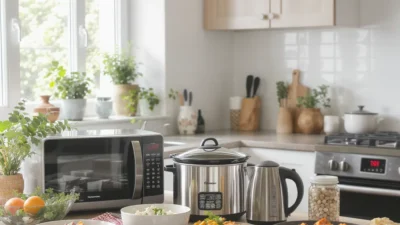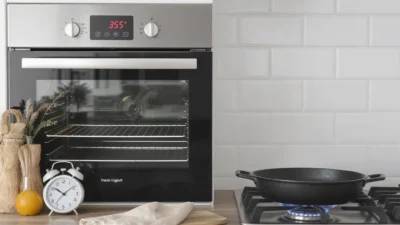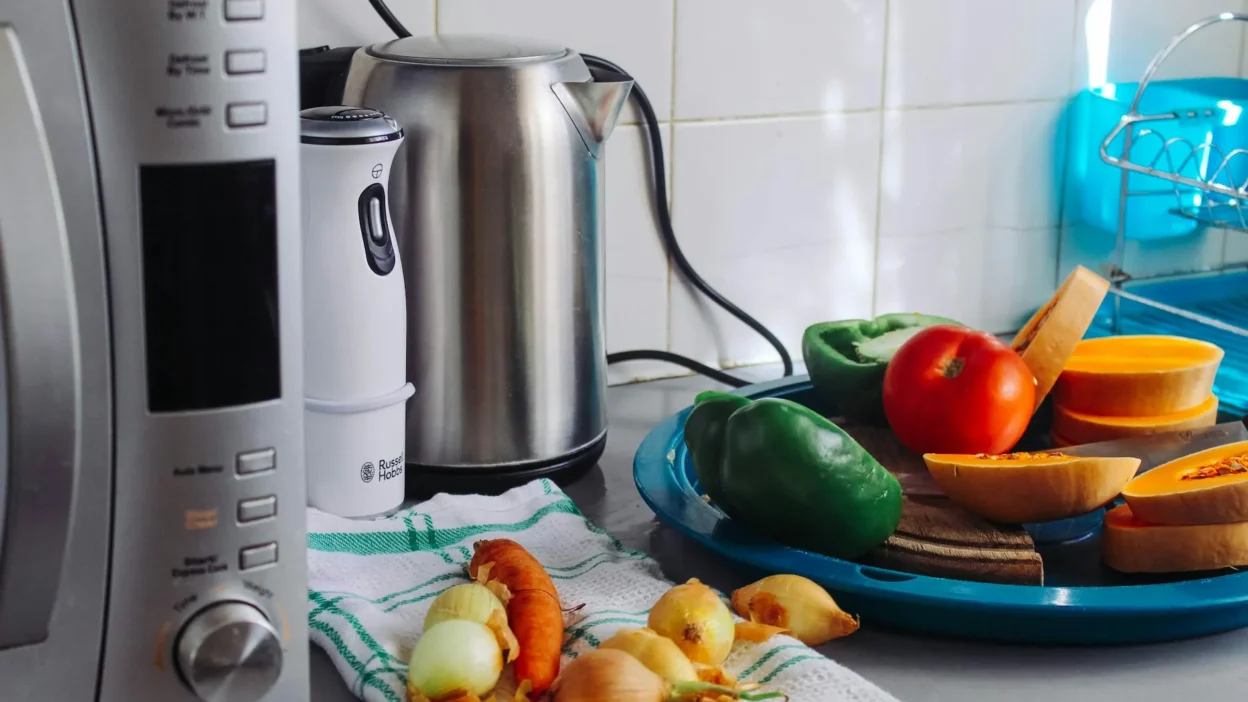
You glance at your electricity bill, feel that familiar wince, and your eyes drift to the heart of your home: the kitchen. It’s where we gather, create, and nourish, but it’s also a hub of constant energy use. The good news is that mastering energy-saving cooking with appliances isn’t about a costly kitchen overhaul or learning complicated techniques. It’s about making smarter, more mindful choices with the tools you already own. This guide moves past theory to deliver a practical, room-by-room action plan. We’ll show you how small, consistent habit changes—like choosing the right appliance for the job and using it to its full potential—can add up to significant reductions in your energy consumption and monthly bills, turning your kitchen into a zone of efficiency without sacrificing a single meal.
Energy-saving cooking with appliances is achieved by matching the cooking task to the most efficient appliance, using features like timers and eco-modes correctly, and adopting simple habits that reduce active cooking time and heat loss. This means prioritizing your microwave for reheating, your pressure cooker for tough cuts, and always using a lid on the stovetop. The goal is to get the same delicious results while your appliances work less and your meter spins slower.
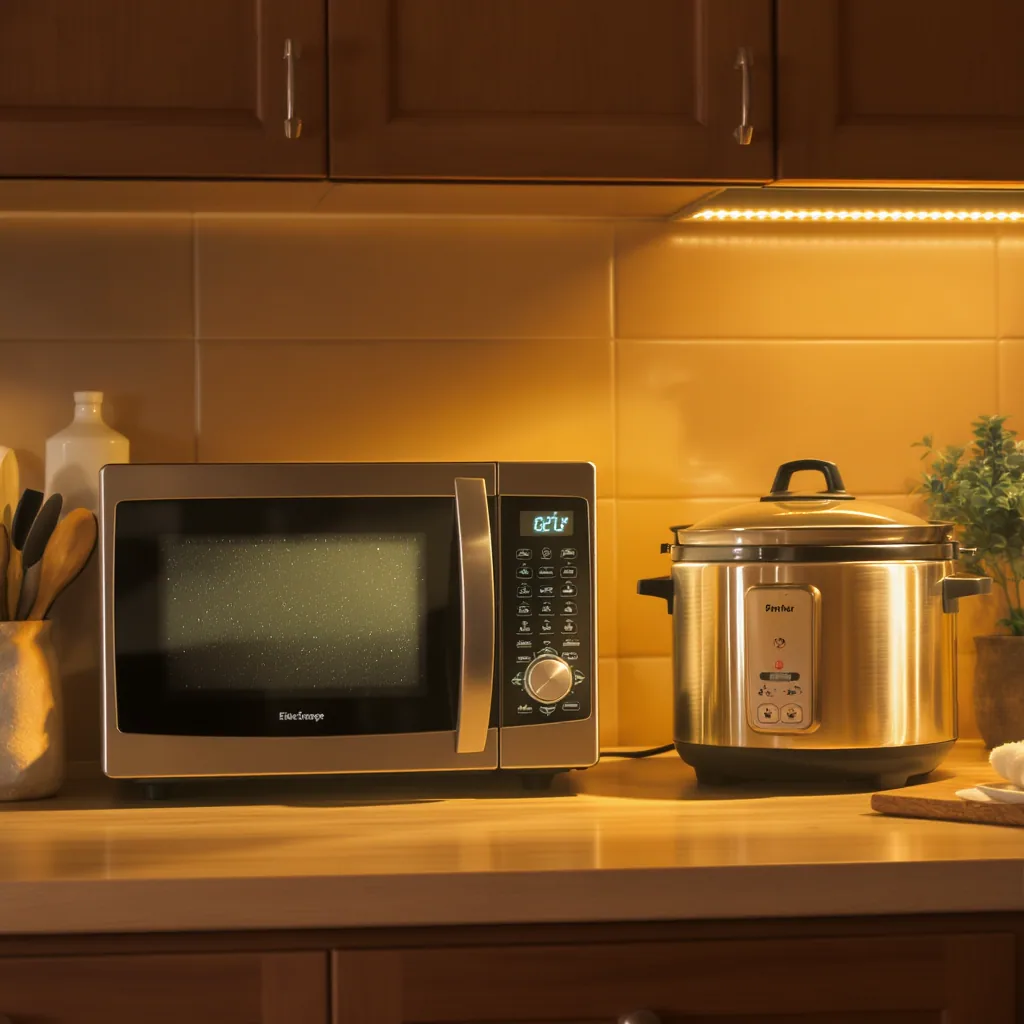
Here’s how to master energy-saving cooking with appliances: start by using your microwave for reheating and steaming, your pressure cooker for tough cuts, and your toaster oven for small meals. Always match pan size to burner size, use lids, and leverage residual heat. Regular maintenance like cleaning oven seals and defrosting freezers also ensures peak efficiency, turning your kitchen into a zone of lower bills and smarter habits.
Your 10-Step Energy-Saving Kitchen Action Plan
Let’s cut straight to the chase. You don’t need a kitchen remodel to start saving energy while cooking. The most impactful changes are about habits and choices. Implement this straightforward checklist today to see a difference in your next utility bill.
- Favor the microwave for reheating and steaming. It’s your most efficient appliance for these tasks.
- Always use lids on pots and pans. This simple act traps heat, slashing cooking time.
- Match your pan size to your burner size. A small pan on a large burner wastes over 40% of the heat.
- Use a toaster oven or air fryer for small meals. Avoid heating your large oven for a single serving.
- Embrace your pressure cooker for beans, soups, and tough cuts. It cooks food in a fraction of the time.
- Batch cook and use your oven’s full capacity. Roast vegetables while baking potatoes.
- Turn off the electric stovetop a few minutes early. Use the residual heat to finish cooking.
- Keep your oven door closed. Every peek can lower the temperature by 25°F, forcing it to reheat.
- Defrost food in the fridge, not the microwave. It’s safer and uses zero active energy.
- Clean appliance seals and coils regularly. A clean fridge runs more efficiently.
Appliance Efficiency Rankings: Which to Use and When
Not all kitchen tools are created equal when it comes to energy use. The key to energy efficient cooking appliances is matching the right tool to the job. Think of it as an efficiency hierarchy: smaller, more targeted appliances typically use less energy than their larger counterparts for the same task.
Here’s a quick guide to help you choose. For a visual decision aid, follow this simple flowchart:
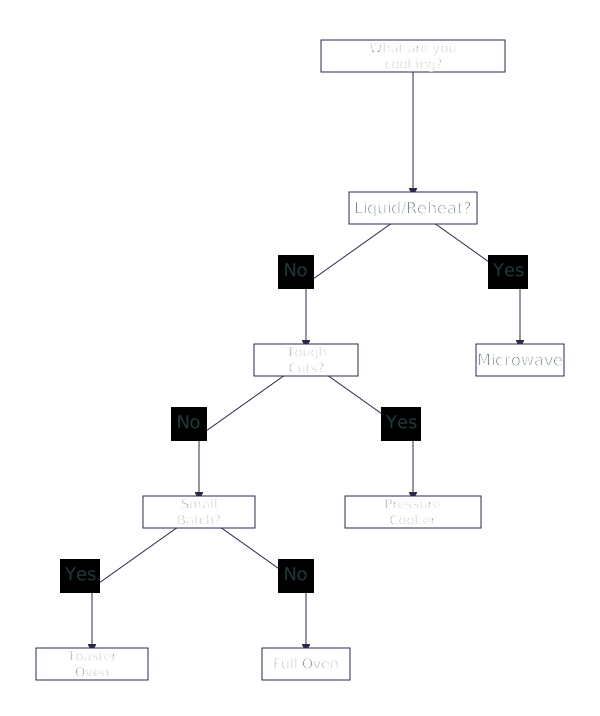
The table below breaks down the relative efficiency of common appliances to give you a practical framework for your daily decisions.
| Appliance | Best Use Cases | Estimated Relative Energy Use | Top Efficiency Tip |
|---|---|---|---|
| Microwave | Reheating leftovers, steaming vegetables, melting butter, cooking small portions of grains. | Very Low | Use microwave-safe containers with lids to retain steam and cook evenly. |
| Induction Cooktop | Boiling water, precise simmering, sautéing. Heats the pan directly via magnetic field. | Low | Use flat-bottomed, magnetic cookware (like cast iron or stainless steel) for full contact. |
| Pressure Cooker (Electric) | Dried beans, tough meat cuts, stocks, whole grains. Cuts cooking time by up to 70%. | Low to Medium | Use the natural release method when possible to save the energy of a quick release. |
| Toaster Oven / Air Fryer | Toasting, baking small batches, roasting vegetables for 1-2 people, reheating pizza. | Medium | Preheat only if necessary (often not needed for reheating). Keep it clean for even heating. |
| Slow Cooker | Tenderizing inexpensive cuts, hands-off soups and stews, keeping dips warm. | Medium | Fill it at least halfway for efficient heat transfer, but don’t overfill. |
| Electric Oven | Large roasts, batch baking, casseroles for a crowd, anything that needs dry, even heat. | High | Use the convection fan setting if available, and avoid opening the door during cooking. |
| Electric Stovetop (Coil) | General stovetop cooking when other appliances aren’t suitable. | High | Always match pan to burner size and use a lid to minimize heat loss to the room. |
Mastering Your Oven and Stovetop for Maximum Savings
Your oven and stovetop are likely the biggest energy users in your kitchen. Using them smartly is a cornerstone of learning how to save energy while cooking. Let’s break down the best practices.
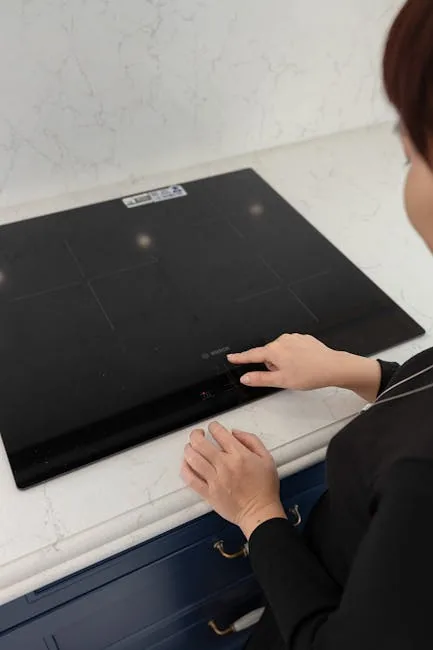
Photo by HONG SON on Pexels
Oven Efficiency: Beyond Preheating
The common advice is to preheat your oven, but that’s only part of the story. For most baking, a brief 5-10 minute preheat is sufficient. Modern ovens heat up quickly. The real savings come from how you use it once it’s hot.
Do:
- Use glass or ceramic pans. They retain heat better than metal, allowing you to lower the oven temperature by about 25°F.
- Cook multiple items at once. If you’re baking potatoes, add a tray of roasted vegetables or a casserole.
- Use the convection setting. The fan circulates hot air, cooking food faster and more evenly at a lower temperature.
- Keep it clean. A build-up of grease and food debris acts as an insulator, making the oven work harder.
Don’t:
- Preheat for excessively long times. Don’t turn the oven on when you start prepping; turn it on when the food is ready to go in.
- Peek constantly. Use the oven light and window to check progress.
- Place foil on the bottom rack. This can disrupt airflow and heat distribution.
Stovetop Smarts: Harness Every BTU
Efficiency on the stovetop is all about transferring heat directly into your food, not the air around it.
Do:
- Use flat-bottomed pans that make full contact with the burner.
- Bring liquids to a boil with a lid on, then reduce to a simmer.
- Use the residual heat. Turn off the burner a minute or two before your food is done, especially for electric coils which stay hot.
Don’t:
- Use a small pan on a large burner (or vice versa). It’s incredibly wasteful.
- Boil more water than you need for pasta, tea, or blanching.
- Use damaged, warped cookware that doesn’t sit flat.
The Unsung Heroes: Microwave, Toaster Oven & Pressure Cooker
These smaller appliances are the secret weapons for power-saving cooking methods. They excel in specific scenarios where using the main oven or stovetop is overkill.
Scenario: A quick weeknight dinner for one or two. Instead of heating your full-sized oven to 400°F for 20 minutes to roast salmon and asparagus, use your toaster oven. It will reach temperature faster, cook the food just as well, and use significantly less energy while generating far less ambient heat in your kitchen. This realization alone can transform your weekday cooking routine.
The Microwave isn’t just for reheating coffee. It’s phenomenally efficient for steaming vegetables (they retain more nutrients, too), cooking oatmeal, “baking” a single potato, or even poaching fish in a covered dish with a little liquid.
The Pressure Cooker (especially electric models like the Instant Pot) is a game-changer for energy conservation in cooking. By creating a sealed, high-pressure environment, it dramatically increases the boiling point of water, cooking food like dried beans or a beef stew in 30-45 minutes instead of 2-3 hours. The energy savings are substantial.
Common Energy Mistakes (And How to Fix Them)
We all develop kitchen habits without thinking about their energy cost. Identifying and correcting these common pitfalls is a fast track to savings.
Myth: You must preheat your oven for every single recipe, no matter what.
Reality: For many dishes (like casseroles, roasted vegetables, or frozen foods), you can often put the food in a cold oven and start the timer once it reaches temperature. The food will cook as the oven heats.
Fix: Check your recipe. For non-delicate baked goods, try the cold-start method.
Myth: Handwashing dishes uses less energy and water than a dishwasher.
Reality: Modern, Energy Star-rated dishwashers are designed to be highly efficient, using less than 4 gallons of water per cycle. Handwashing with running water can use over 20 gallons.
Fix: Run your dishwasher only when full, skip the pre-rinse (just scrape), and use the eco or air-dry setting. Learn more about efficient dishwashing from the U.S. Department of Energy.
Habit: Leaving the fridge door open while you decide what to eat.
Reality: All the cold air spills out, and the compressor has to work hard to cool the warm air that rushes in.
Fix: Know what you want before you open the door. Teach everyone in the household to do the same.
Habit: Running the dishwasher or washing machine during peak afternoon/evening hours.
Reality: Energy demand (and sometimes cost) is highest when everyone is home using power.
Fix: Use delay-start timers to run these appliances late at night or early in the morning.
Beyond Cooking: Fridge, Freezer & Dishwasher Efficiency
True appliance efficiency tips extend to the appliances that run 24/7 or clean up after you. Their cumulative impact on your energy bill is massive.
Your Fridge & Freezer Quick-Check
- Temperature Settings: Your fridge should be at 37-40°F (3-4°C), and your freezer at 0°F (-18°C). Every degree colder increases energy use by up to 2%.
- Seal Integrity: Test the door gasket by closing it on a dollar bill. If you can pull the bill out easily, the seal is weak and needs replacing.
- Coil Cleaning: Vacuum the condenser coils (usually on the back or bottom front) every 6 months. Dusty coils make the compressor work much harder.
- Defrost Manual Freezers: Don’t let ice build-up exceed 1/4 inch. It acts as an insulator.
For your dishwasher, the biggest lever is running full loads and selecting the right cycle. The “heavy” or “pots and pans” cycle uses more hot water and longer dry times. For normally soiled dishes, the “normal” or “eco” cycle is perfectly adequate and saves both energy and water.
Smart Habits for Long-Term Savings
Saving energy in the kitchen is as much about mindset as it is about mechanics. Building these smart habits creates a foundation for continuous savings.
Meal Planning: Planning meals for the week reduces the number of times you need to turn on an appliance. It encourages batch cooking and strategic use of leftovers, minimizing daily “what’s for dinner?” energy spikes.
Understand EnergyGuide Labels: When it’s time to replace an appliance, the yellow EnergyGuide label is your best friend. It shows the estimated yearly operating cost and how the model compares to similar ones. Choosing a more efficient model can save you hundreds over its lifetime.
Manage Phantom Load: Many appliances—like microwaves, coffee makers, and toaster ovens—draw a small amount of power even when “off” to run clocks or standby features. This “phantom load” can add up. Plugging these into a power strip you switch off when not in use is an easy fix.
Ultimately, the goal is mindful usage. It’s about asking, “Is the large oven the right tool for this job?” or “Can I cook once and eat twice?” This shift in thinking, combined with the practical steps outlined here, turns energy-saving cooking with appliances from a chore into a simple, rewarding habit.
Turning Knowledge into Everyday Savings
Mastering energy-efficient cooking isn’t about buying the latest gadgets or sacrificing your favorite meals. It’s about working smarter with the tools you already have. By consciously choosing the right appliance for the task, optimizing how you use it, and adopting a few simple maintenance habits, you take direct control of a portion of your home’s energy use.
The cumulative effect of these changes is what matters. One lid on a pot, one batch-cooked meal, one cleaned fridge coil—none seem monumental on their own. But together, they form a pattern of efficiency that translates directly into lower monthly bills and a reduced environmental footprint. Start with just one tip from the action plan that feels easy to you. Once that becomes second nature, add another. You’ll soon find that a more efficient kitchen is simply a more thoughtful and enjoyable one to cook in.
To save energy and money in the kitchen, remember these core principles:
- Follow the Appliance Hierarchy: Use smaller, targeted appliances (microwave, toaster oven, pressure cooker) for appropriate tasks instead of defaulting to the large oven or stovetop.
- Seal in the Heat: Always use lids on pots and pans to drastically reduce cooking time. Match your cookware size to the burner size.
- Cook Smarter, Not Harder: Batch-cook in the oven, use residual heat on the stovetop, and avoid opening the oven door during cooking.
- Maintain for Efficiency: Regularly clean oven and fridge seals, defrost manual freezers, and vacuum refrigerator coils to keep all appliances running at peak performance.
- Adopt Supportive Habits: Plan meals to reduce appliance runs, run dishwashers only when full, and understand EnergyGuide labels when shopping for replacements.
Q: Does using a microwave really save that much energy?
A: Yes, significantly. Microwaves heat food directly by agitating water molecules, rather than heating the air around it. For tasks like reheating, steaming, or cooking small portions, a microwave can be up to 80% more efficient than a conventional electric oven, using less energy and time.
Q: Is it more efficient to hand wash dishes or use a dishwasher?
A: For most people with a modern, Energy Star-rated dishwasher, using the appliance is more efficient. It uses less hot water per load than handwashing under a running tap. To maximize savings, always run full loads, skip the pre-rinse (just scrape), and use the air-dry or eco setting.
Q: Should I unplug my toaster and coffee maker when not in use?
A: It can help with “phantom” energy drain, but the savings per appliance are small (a few dollars a year). A more practical approach is to plug several countertop appliances into a single power strip and switch it off when you leave the house or go to bed. This is easier and addresses multiple devices at once.
Q: What’s the most energy-efficient way to boil water?
A: For an electric kitchen, use an induction cooktop if you have one, as it’s the most efficient stovetop technology. Otherwise, use an electric kettle, which is designed to boil water quickly and directly. On any stovetop, always use a lid and boil only the amount you need.
Q: Do ‘eco’ or ‘energy-saving’ modes on appliances actually work?
A: