You’re standing in your kitchen on a Sunday afternoon, surrounded by possibilities—and appliances. The Instant Pot hums with potential, the oven stands ready, and the slow cooker sits patiently. Your goal is simple: efficiently prep a week’s worth of meals. But the strategy to get there feels anything but. Should you fire up everything at once for speed, or is that a fast track to a high energy bill and culinary chaos? The truth is, an effective batch cooking appliance strategy isn’t about using every tool you own; it’s about using the *right* tools in the *right* order. This guide cuts through the noise, comparing the minimalist one-pot approach with a more advanced multi-appliance sequence, so you can build a batch cooking kitchen setup that saves you time, energy, and that overwhelmed feeling.
Here’s how to build an efficient batch cooking appliance strategy: start by matching the appliance’s core strength to the primary cooking task, not defaulting to the most powerful option. An effective strategy sequences appliances to use residual heat, prioritizes high-capacity tools for bulk jobs, and avoids the common pitfall of running multiple large appliances simultaneously for small gains.
The Simple Path: One-Appliance Dominance
For many home cooks, the most effective appliance strategy for batch cooking is also the simplest: pick one high-capacity workhorse and build your entire prep session around it. This approach focuses your energy—both mental and electrical—on a single tool, maximizing its output while minimizing complexity.
How It Works
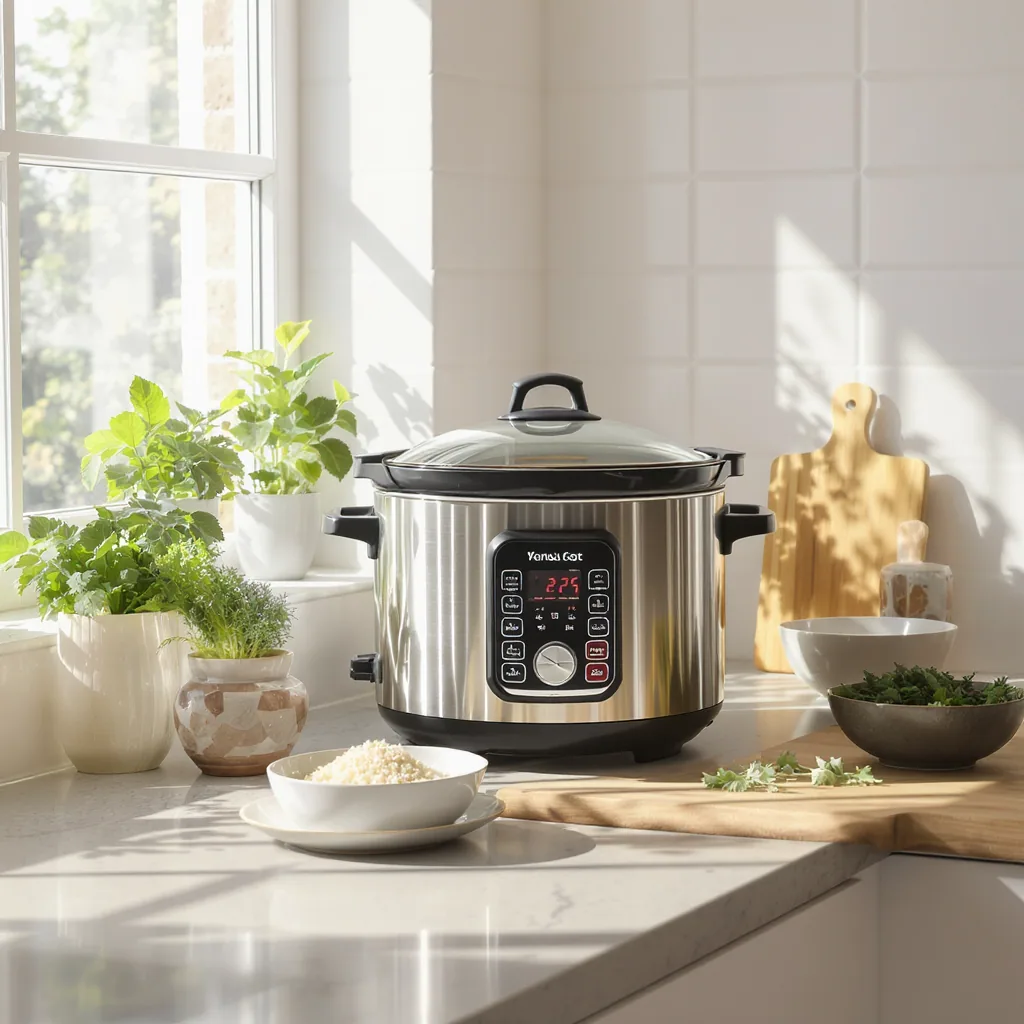
You choose an appliance with a large volume and versatile function, like an 8-quart multi-cooker, a large Dutch oven, or a convection oven. Your entire menu is designed for that one tool. For example, you might use a single Instant Pot to cook a massive batch of chili, then use the “keep warm” function while you cook a large quantity of rice in the same pot, followed by hard-boiled eggs. This sequential, single-tool appliance workflow for meal prep is incredibly streamlined.
Who It’s For
This path is ideal if you have limited time, are new to bulk cooking, or have a smaller kitchen. It reduces decision fatigue and often leads to significant energy saving batch cooking because you’re not heating multiple large elements. The core principle is depth over breadth, mastering one tool to its fullest potential within your batch cooking kitchen setup.
The Advanced Route: Strategic Appliance Sequencing
When you’re comfortable with the basics and aiming for maximum efficiency across a diverse menu, the advanced path involves using multiple efficient meal prep appliances in a deliberate sequence. This isn’t about using every gadget at once, but about intelligent timing to leverage residual heat and parallel processing.
Think of it as a kitchen symphony. You might start a large cut of meat in a slow cooker on low first thing in the morning. Hours later, while that cooks passively, you use the stovetop to batch-sear proteins for stir-fries and the oven (using its convection setting) to roast two sheet pans of vegetables. Finally, you use the residual heat from the turned-off oven to warm serving containers. This planned batch cooking appliance plan can save total clock time, but requires more active management.
| Aspect | Simple Path | Advanced Path |
|---|---|---|
| Core Principle | Master one high-capacity tool. | Sequence multiple tools for parallel tasks. |
| Best For | Beginners, time-pressed cooks, small kitchens. | Experienced meal preppers, large batches, diverse menus. |
| Energy Efficiency | Very High (focused energy use). | Variable (can be high if sequenced well). |
| Time Required (Active) | Lower | Higher |
| Skill Level | Low to Intermediate | Intermediate to Advanced |
| Key Tool | Multi-cooker, Large Oven, or Stockpot | Combination of oven, stovetop, and slow cooker |
| Biggest Risk | Menu monotony | Overcomplication and wasted energy |
What Works: The High-Impact Moves
Regardless of the path you choose, certain tactics consistently boost efficiency. These are the proven elements of a smart batch cooking equipment strategy.
Do use your oven’s convection setting. It circulates hot air, cooking food faster and more evenly, which can reduce oven time by about 25%. This is a direct win for energy saving batch cooking.
Do leverage “keep warm” functions. Modern multi-cookers and slow cookers hold food at a safe temperature for hours. Use this to cook components sequentially without extra reheating.
Do batch-sear on the stovetop before slow cooking. Searing meat in a single, large batch in a Dutch oven or skillet before transferring it to a slow cooker builds flavor efficiently, rather than searing small batches daily.
Do invest in a quality food processor for prep. For chopping onions, grating cheese, or slicing vegetables in bulk, a powerful food processor is an efficient meal prep appliance that saves immense manual time.
Do fill your oven. If you’re using it, maximize its capacity with multiple sheet pans or a stacked rack. Running a full oven once is far more efficient than running a half-empty oven twice.
What Doesn’t: Common Strategy Pitfalls
Many well-intentioned plans falter on a few frequent mistakes. Recognizing these can help you refine your own approach.
Running multiple large appliances for disjointed small tasks. Using the oven to bake two potatoes while the stovetop simmers a single small sauce is a huge energy waste. Consolidate tasks to one heat source.
Underutilizing appliance capacity. Making a single recipe in a 6-quart slow cooker or roasting one chicken breast on a full-sized sheet pan is inefficient. Plan to use the full volume of your appliance for bulk jobs.
Over-relying on small countertop gadgets for bulk jobs. Using a tiny air fryer to cook four batches of chicken for the week burns more time and energy than using one oven cycle. Match the tool’s scale to the task’s scale.
Ignoring preheating time in your plan. If your strategy involves the oven, factor in the 10-20 minute preheat. Start prepping during this time, or plan a recipe that doesn’t require a full preheat (like roasting vegetables from cold).
Choosing Your Path: A Quick Diagnostic
Not sure where to start? Your ideal initial batch cooking appliance plan depends on your constraints and confidence. Ask yourself these questions.
Are you pressed for time or still building your meal prep confidence? If yes, the Simple Path is your friend. Do you enjoy managing multiple cooking processes and have the kitchen space to accommodate them? If yes, you can explore the Advanced Route. The goal is to choose a sustainable strategy, not the most impressive one.
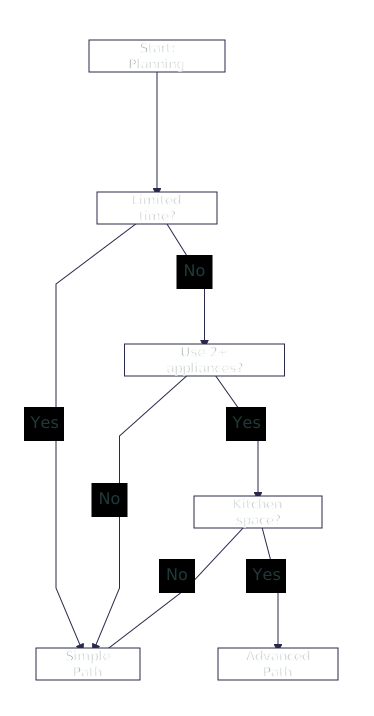
Remember, this is a starting point. You can always begin with a simple, one-appliance focus to build confidence, then gradually incorporate sequencing techniques as your appliance workflow for meal prep becomes more intuitive.
Your Strategy, Your Kitchen
The most effective batch cooking appliance strategy isn’t a universal rule—it’s the one you’ll actually use consistently. Whether you choose the focused simplicity of one pot or the orchestrated dance of multiple appliances, the real win is moving from haphazard appliance use to intentional planning.
Start where you are. If the Simple Path calls to you, embrace it without feeling like you’re taking a shortcut; you’re building a solid, efficient foundation. If you’re ready to sequence, plan your menu and timing on paper first. Both paths lead to saved time, reduced energy use, and the profound weekly relief of having meals ready to go.
Experiment, note what works for your rhythm and kitchen, and adjust. Your efficient system is waiting to be built.