Do you ever feel like your stovetop has a mind of its own, scorching one meal and barely warming another? That frustration, which turns simple recipes into kitchen gambles, usually isn’t about faulty equipment. It’s a fundamental misunderstanding of how heat moves from your burner into your food. Most of us were taught to just “turn the dial,” but truly predictable, energy-efficient stovetop cooking is a partnership. It’s about the precise relationship between your burner’s active heat zone and your pan’s material and size. This guide will first debunk the most common heat control myths that lead to warped pans and burnt dinners, then deliver the practical, foundational principles of pan matching that give you consistent results and save energy with every meal you cook.
Effective stovetop cooking is less about the dial setting and more about the relationship between your burner’s active heat zone and your pan’s base. The core principle is simple: match the pan’s flat bottom to the burner’s size for even heating and energy efficiency. Precise control comes from understanding your cookware’s material—like the slow, steady heat of cast iron versus the rapid response of aluminum—and adjusting your technique accordingly, not just cranking the heat to high.
The Biggest Myth: High Heat Equals Fast Cooking
Let’s start by dismantling the most pervasive and damaging belief in home cooking: the idea that cranking your burner to its highest setting is the fastest, most effective way to cook. This is the root cause of warped pans, scorched sauces, and raw-inside, burnt-outside meals. The truth is, speed in cooking comes from effective heat transfer, not just raw temperature.
Think of it like this: a roaring jet engine pointed at a small paper cup will blow it away before heating the water inside. Similarly, a massive blast of heat under a thin pan overwhelms its ability to distribute that energy evenly. The center becomes a scorching hot spot while the edges remain cool, leading to uneven cooking. For materials like cast iron or thick stainless steel, starting on high can cause such extreme thermal expansion that the base warps, creating a permanent wobble. A study on thermal shock from the University of Cambridge’s materials science resources explains how rapid temperature changes stress metal.
Real heat control for cooking begins with matching the intensity of the heat source to the task and the tool. Bringing a large pot of water to a boil? High heat is appropriate. Sautéing garlic or melting butter? Low to medium is your friend. Searing a steak? You want high heat, but only after the pan has been properly preheated on a medium setting to ensure an even, stable cooking surface. Ditching the “always start on high” reflex is your first step toward efficient stovetop use and predictable results.
Your Stovetop Type: A Quick Behavior Guide
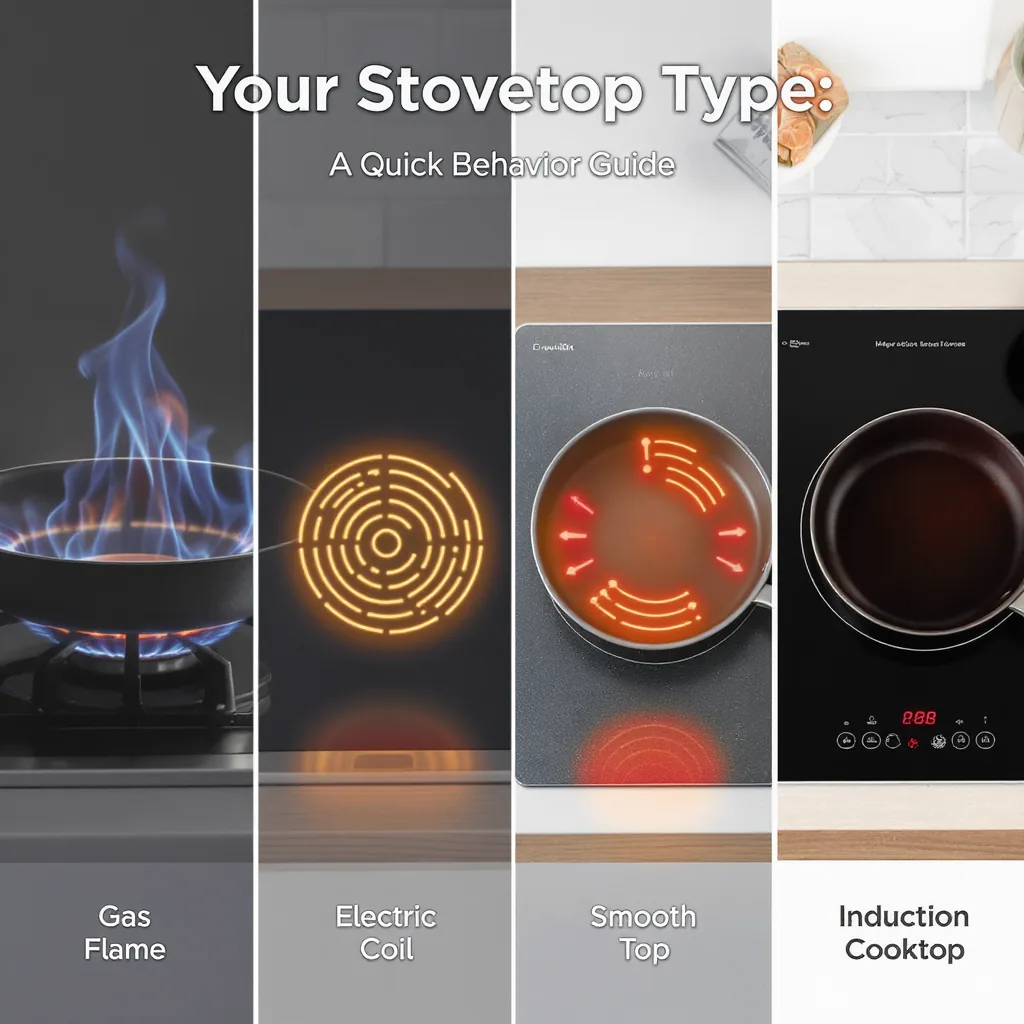
Before we match pans to burners, you need to understand how your stovetop “behaves.” Different types deliver and control heat in distinct ways, which directly impacts your stovetop temperature management strategy.
Gas Cooktops
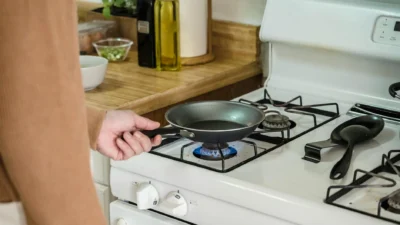
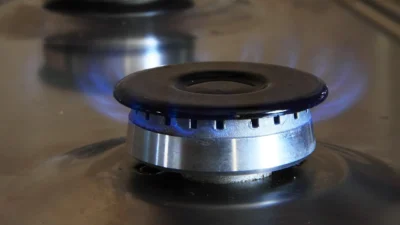
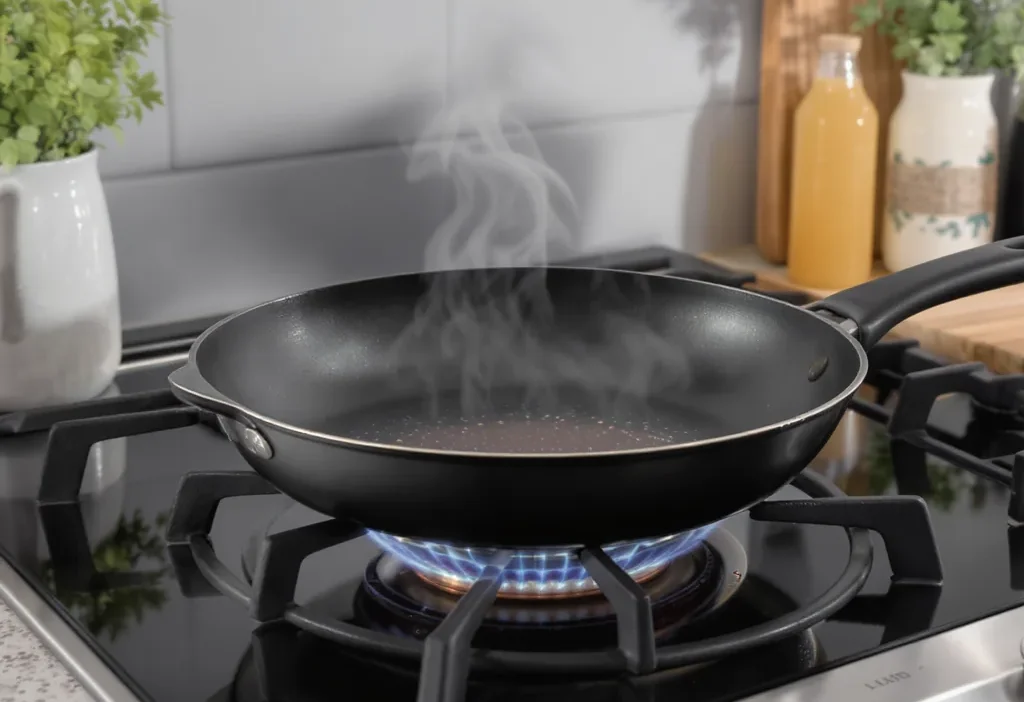
Gas offers immediate, visual control. You see the flame size change instantly with the dial. Heat is concentrated in the ring pattern of the flame, which can create a more defined “hot zone” in the center of the pan. The open flame also allows for techniques like charring peppers directly on the grate. The key to energy efficient stovetop cooking here is ensuring the flame is entirely under the pan’s base, not licking up the sides.
Electric Coil & Smooth-Top (Radiant)
These stovetops are slower to respond. When you turn the dial, the coil or heating element takes time to warm up to the new temperature and, crucially, time to cool down. This lag means you must anticipate temperature changes. The heat pattern is generally a solid circle matching the coil or element size. A smooth-top requires flat-bottomed cookware for good contact, or you lose significant efficiency.
Induction
Induction is a game-changer for control and efficiency. It uses magnetic energy to heat the pan itself, not the cooktop surface. It responds as quickly as gas but with pinpoint digital precision. The critical rule: it only works with ferromagnetic pans (cast iron, carbon steel, and magnetic stainless steel). The “burner” size is often a defined circle on the glass; your pan must cover this area to activate the system and achieve proper cookware heat distribution.
The Pan-Burner Match: Why Size and Shape Matter Most
This is the golden rule, the core of stovetop heat control and pan matching. Every burner has an active heat zone—its “heat footprint.” Your goal is to place a pan whose flat bottom diameter matches that footprint as closely as possible.
Why does this pan size burner matching principle matter so much?
- Small pan on a large burner: This is a recipe for wasted energy and burnt food. The intense heat concentrates entirely on the small pan base, causing extreme hot spots and overheating. The excess flame or heat spills around the sides, heating your kitchen instead of your food.
- Large pan on a small burner: This leads to frustratingly slow cooking and uneven results. The heat only reaches the central portion of the pan, leaving the outer edges significantly cooler. You’ll find yourself constantly stirring to move food into the “hot zone,” and tasks like searing or boiling will take far longer.
Consider this scenario: You’re searing a steak. If you use a 10-inch skillet on an 8-inch burner, the edges of the steak won’t get proper contact with high heat, leading to uneven browning and rendering. Conversely, that same steak in an 8-inch skillet on a 10-inch burner will have its edges violently overcooked while the center struggles.
For optimal energy efficient stovetop cooking, aim for the pan’s base to sit within half an inch to an inch of the burner’s marked edge. Most cooktops have burners of different sizes for this very reason—use them. This simple act of matching is the single biggest upgrade you can make to your cooking consistency and energy bill.
Material Science: How Your Pan Reacts to Heat
Once your pan is properly matched to the burner size, the next layer of control comes from understanding your cookware’s material. Different metals and composites heat up, distribute heat, and retain it in unique ways.
Stainless Steel (Often with Aluminum/Copper Core)
Modern multi-ply stainless steel is designed for even heating. The aluminum or copper core sandwiched inside spreads heat laterally across the pan’s base, minimizing hot spots. It heats moderately quickly and responds well to adjustments. Preheating on medium for a minute or two is usually sufficient before adding food.
Cast Iron & Carbon Steel
These are the champions of heat retention but the laggards in conductivity. They heat slowly and unevenly if rushed. Always preheat on low or medium-low for 5-10 minutes, allowing the entire pan to come up to temperature gradually. Once hot, they hold that heat incredibly well, making them perfect for searing. Because they hold heat so stubbornly, reducing the burner temperature early is key to preventing overcooking.
Aluminum (Often Anodized or Non-Stick Coated)
Aluminum is an excellent, fast heat conductor. Thin aluminum pans (like many non-stick skillets) heat up very quickly but also lose heat fast when food is added and can develop hot spots. They are best used over medium or medium-low heat. High heat can easily damage non-stick coatings and cause warping.
Non-Stick Coatings (on various cores)
The coating itself cannot withstand high heat. Prolonged exposure to temperatures above 500°F (260°C) can break down the coating and release fumes. For safety and longevity, use non-stick pans over low to medium heat only. They are ideal for eggs, delicate fish, and reheating—not for high-heat searing. The FDA offers guidance on safe cookware use.
Common Heat Control and Matching Mistakes (And How to Fix Them)
Let’s translate the principles into fixes for everyday problems. Each of these common frustrations stems from a breakdown in stovetop heat control and pan matching.
Photo by Ivan Mudruk on Pexels
Mistake: Your brand-new pan wobbles on the burner.
Why it happens: Thermal shock. Placing a cold pan (especially thin or clad metal) on a very high burner causes the base to expand too rapidly, warping it.
The Fix: Always start on medium heat to allow the pan to warm gradually. Avoid plunging a hot pan into cold water; let it cool first.
Mistake: Food burns in the center of the pan but is undercooked at the edges.
Why it happens: A classic sign of a small pan on a large burner, or using heat that’s too high for the pan’s material (like high heat under thin aluminum).
The Fix: Match your pan size to the burner. If you must use a smaller pan, reduce the heat significantly and be prepared to stir constantly.
Mistake: It takes forever to boil water or sauté vegetables.
Why it happens: The pan is too large for the burner’s heat footprint, or you’re using a heavy, slow-heating material like cast iron without proper preheating time.
The Fix: Use a smaller-diameter pot for the amount of water, or ensure you’re using a burner large enough to cover most of the pan’s base. For cast iron, be patient during preheat.
Mistake: Your non-stick coating is discolored or peeling.
Why it happens: Exposure to excessive heat, either from a burner set too high or from using a small pan on a large, powerful burner.
The Fix: Never use high heat with non-stick. Use low to medium settings only and match the pan size to the burner to prevent concentrated overheating.
Confidence Comes from Control
Mastering your stovetop isn’t about buying the most expensive cookware or the smartest appliance. It’s about understanding the simple, physical relationship between the heat source and the tool you place on it. When you consciously match your pan to the burner and respect the properties of your cookware, you move from guessing to knowing. You stop fighting your equipment and start working with it.
This knowledge builds a quiet confidence in the kitchen. Recipes become guidelines rather than strict commands, because you can read the heat and adjust. You’ll waste less energy, preserve your cookware, and most importantly, achieve the consistent results that make cooking truly enjoyable. Start with your next meal: take a moment to check the match, think about the material, and control the heat with intent. You might be surprised by the difference it makes.
To cook efficiently and effectively on any stovetop, internalize these two core principles:
1. Match the Size: For even heating and energy savings, your pan’s flat bottom should closely match the diameter of your burner’s active heat zone. Avoid small pans on large burners (causes burning) and large pans on small burners (causes slow, uneven cooking).
2. Respect the Material: Adjust your technique based on your pan’s construction. Preheat heavy cast iron slowly on medium-low. Use medium or low heat for thin, non-stick pans. Let multi-ply stainless steel preheat on medium for even heat distribution.
By focusing on this partnership between burner and pan, you gain predictable control, protect your cookware, and turn stovetop cooking from a frustrating chore into a reliable skill.