Imagine trying to heat a single room by cranking the furnace for your entire house. Most of that expensive warmth would rush up the chimney or into unused spaces, right? That’s precisely what happens with the common kitchen mistake of using a small pan on a large burner. You feel the waste intuitively—the blast of heat hitting your arms, the long wait for water to boil—and your intuition is correct. This mismatch is a major source of stovetop heat loss and energy waste, whether you have a gas flame or an electric coil. But the good news is that the physics behind it are simple, and the fixes are even simpler. Let’s break down why so much energy escapes unused and how you can reclaim it for better cooking and lower bills, starting with what’s already in your kitchen.
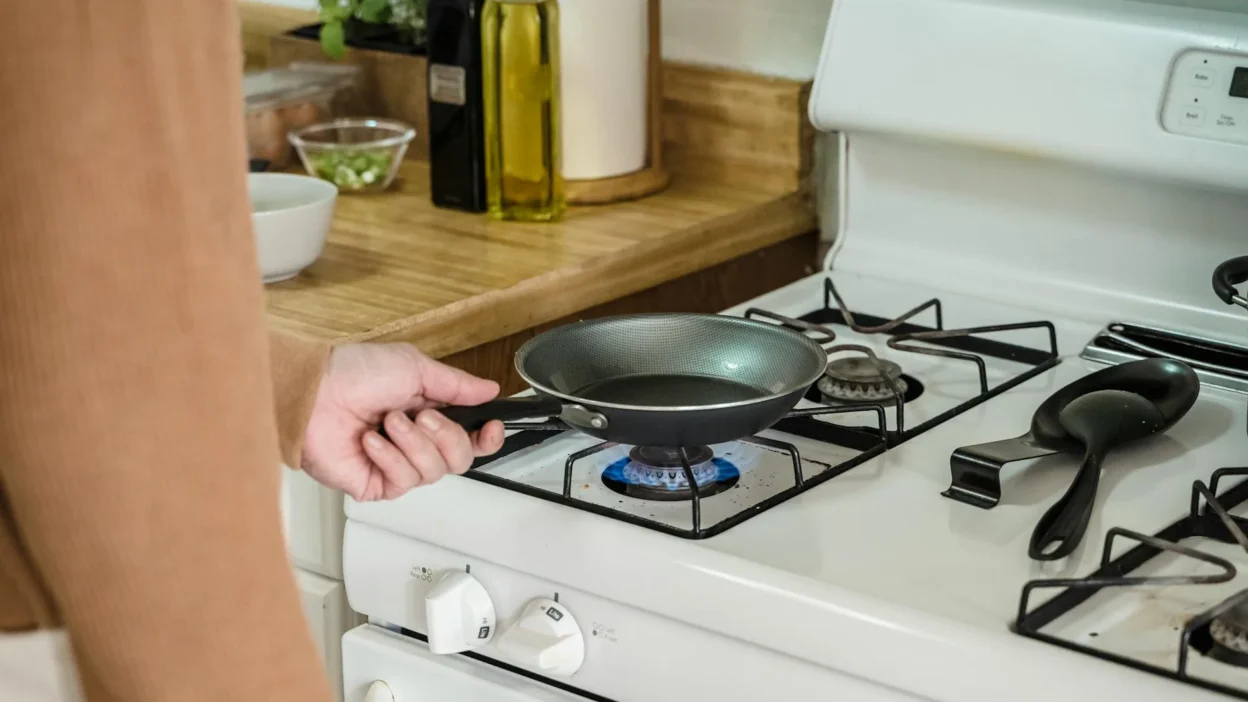
The best way to avoid small pan on large burner energy waste is to match your cookware to the burner size. When a pan is too small, heat escapes around the sides instead of transferring into your food, wasting energy and potentially damaging your cookware. For a quick fix, use a burner ring or heat diffuser, or simply move the pan to a smaller burner if available.
The Simple Physics of Wasted Heat
Think of your stovetop burner as a heat source and your pan as a heat receiver. For efficient cooking, you want as much of that heat as possible to transfer directly into the pan’s bottom, a process called conduction. When the pan is smaller than the burner, this simple system breaks down. process called conduction
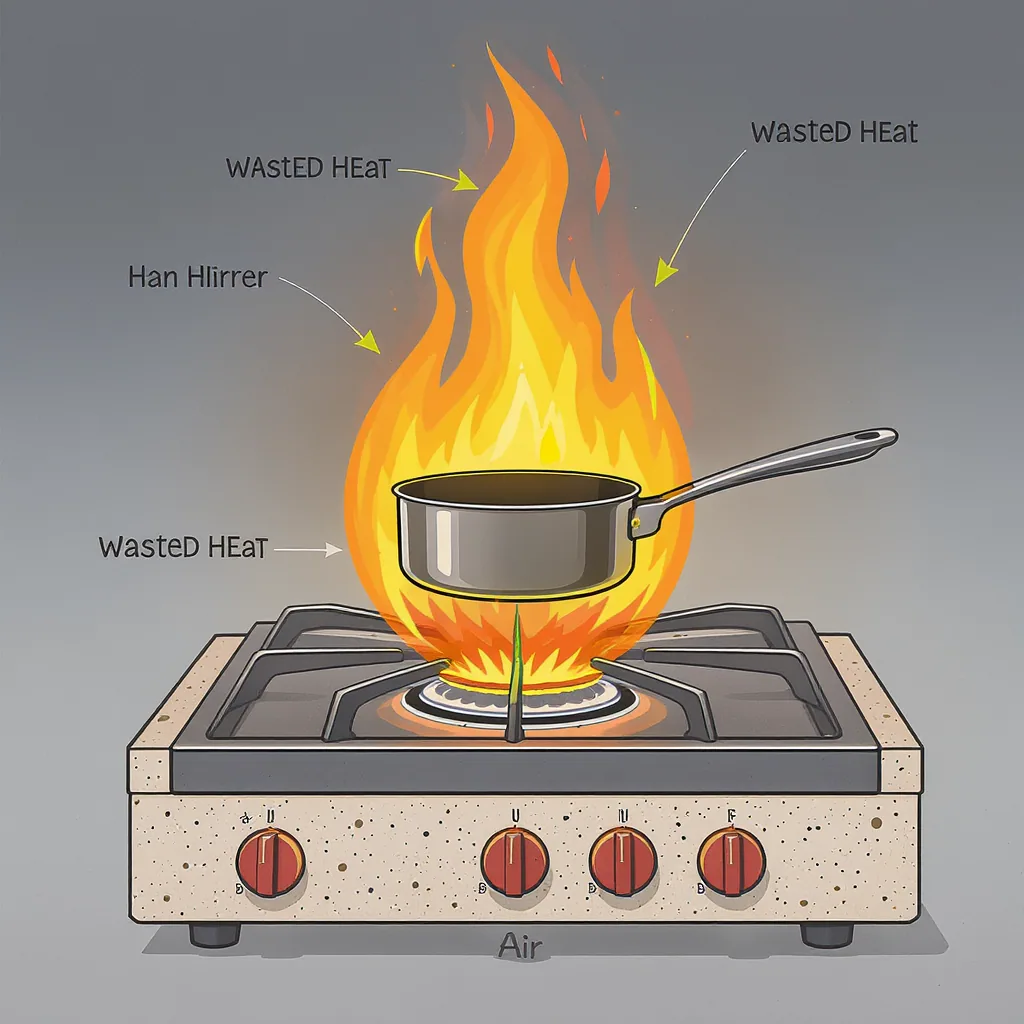
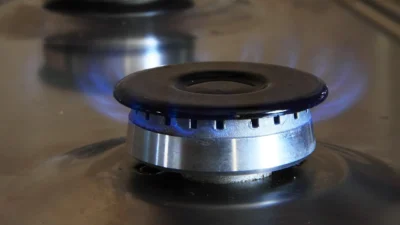
On a gas stove, the flames lick up and around the sides of the small pan, heating the air and the handle instead of the cookware. With an electric coil or smooth-top element, the glowing red-hot surface extends beyond the pan’s base. In both cases, a significant amount of energy is lost to the surrounding air through convection and radiation before it ever touches your food. The burner is working just as hard, but a large portion of its output is simply wasted, making this a classic example of stovetop heat loss.
Beyond the Bill: What You’re Really Losing
While a slightly higher energy bill is one cost, the real-world consequences of this mismatch affect your cooking results, your equipment, and even your safety. Recognizing these downsides turns an abstract concept into a practical kitchen issue you’ll want to fix.
Uneven Cooking and Frustration
Ever had the center of your sauce scorch while the edges are barely warm? This is a direct result of mismatched cookware energy waste. The intense, concentrated heat directly over the burner can create a violent hot spot, while the outer edges of the pan receive little to no direct heat. This makes it incredibly difficult to simmer gently or sauté evenly, turning simple tasks into frustrating chores.
Damaged Cookware
That intense central heat doesn’t just burn your food; it can warp thin-bottomed pans over time. For non-stick cookware, excessive direct heat is a primary cause of coating degradation and failure. You’re essentially accelerating the wear and tear on your kitchen tools.
Safety and Comfort Risks
Exposed flames or heating elements can accidentally ignite loose sleeves or towels. Handles can become dangerously hot as rising heat engulfs them. Furthermore, all that wasted energy heats up your kitchen, making your space less comfortable and forcing your air conditioner to work harder—a double hit on your energy usage.
Photo by Alexia Agurto N on Pexels
Your Quick-Fix Toolkit (No New Pans Required)
You don’t need a perfectly matched set of cookware to cook efficiently today. Here are practical, immediate solutions to minimize waste, framed as simple do’s and don’ts.
DO: Use a Heat Diffuser or Burner Ring. This inexpensive metal disk sits between the burner and your small pan, spreading the intense heat over a wider area. It acts as a buffer, creating a more even heating surface and preventing direct flame contact. It’s one of the best burner size pan matching tips for anyone with a gas stove.
DO: Shift the Pan Off-Center (On Low Heat). If you’re using a large burner for a small task like melting butter, place the pan so it only covers part of the burner and use the lowest effective flame or setting. This puts more of the pan’s base in contact with the heat source.
DO: Opt for a Smaller Burner. It sounds obvious, but it’s the most effective fix. Always check if your stove has a smaller front or rear burner that better fits your pan. This is the core principle of cooking energy conservation.
DON’T: Crank the Heat to Compensate. Turning the burner to high won’t make the pan heat more evenly; it will only intensify the hot spot and waste more energy. Low and slow is often more effective with a mismatch.
DON’T: Use Warped Pans. A warped pan base creates an air gap, drastically reducing heat conduction and efficiency even on a correctly sized burner. If your pan rocks on a flat surface, it’s time to retire it for stovetop use.
The Long-Term Match: Building an Efficient Kitchen
Thinking ahead can turn efficient cooking from a workaround into a habit. It’s about making smarter choices that pay off every time you cook.
When buying new pots and pans, prioritize flat, thick bottoms that make full contact with the burner. Consider the sizes of your most-used burners and choose cookware that aligns with them. A 10-inch skillet is a workhorse, but if your large burner is 8 inches, a 9-inch skillet might be a more efficient daily driver.
If you’re in the market for a new stove, consider the precision of induction cooktops. They only activate in the exact area where magnetic cookware is placed, virtually eliminating the problem of wasted perimeter heat. For any stove type, adopting a “right-sizing” mindset is key: use the smallest pan and burner that can comfortably handle the job. This approach to kitchen energy savings isn’t about restriction; it’s about getting better results with less effort and waste. Small, conscious choices in your setup lead to consistently better cooking and lower energy use over time.
Efficiency Is a Mindset, Not Perfection
Perfectly matching every pan to every burner isn’t always practical in a real kitchen. The goal isn’t perfection, but awareness. Now that you understand the hidden cost—in energy, food quality, and equipment wear—you can make informed choices.
You have a toolkit of quick fixes for those inevitable mismatches, and a strategy for making smarter long-term purchases. Embracing these stovetop cooking efficiency principles means you’ll not only save a little on your bills, but you’ll also enjoy more consistent results and a more comfortable cooking environment. That’s a tradeoff worth making every time you turn on the stove.