You probably know that putting a lid on a pot saves energy. But here’s the counterintuitive truth: the real savings—and the best cooking results—come from knowing when *not* to use it. Blindly keeping a lid on everything can lead to soggy vegetables, sauces that won’t thicken, and missed opportunities for perfect texture. This isn’t just about a simple rule; it’s about understanding the basic thermal science of your stovetop. By learning how a lid affects heat retention and evaporation, you can make intentional choices that slash your energy use without sacrificing a single delicious meal. Let’s unlock the principles of efficient lid usage for smarter, not just harder, cooking.
The best way to save energy while cooking is to use a lid whenever your goal is to retain heat and moisture, such as when boiling water, simmering soups, or braising meats. However, cooking with the lid off is necessary when you need to reduce liquids, achieve a crispy texture, or monitor delicate foods closely. The key is matching your lid strategy to your desired cooking outcome.
The Simple Science of Heat and Steam
To understand the lid on vs lid off cooking energy debate, you only need to picture two simple things escaping from your pot: hot air and steam. A lid acts as a barrier to both, which is the secret to its power.
First, it traps hot air. When you heat a pan, the air above it gets hot and rises, constantly being replaced by cooler room air. This cycle, called convection, steals heat from your food. A lid stops this cycle, creating a little insulated dome that keeps heat where you need it. Think of it like putting a blanket over the pot.
Second, and more importantly, it traps steam. When water in your food or sauce heats up, it turns to steam and evaporates. This process, called evaporative cooling, uses a massive amount of energy—energy that comes directly from the heat of your burner. By keeping the steam contained with a lid, you recycle that heat back into your food, allowing it to cook faster and with less external energy. This is the core principle behind cooking with a lid to save energy. For a deeper dive into the physics, resources like the Physics Classroom’s explanation of heat transfer can be fascinating.
Lid On: Your Go-To for Maximum Efficiency
For most everyday cooking tasks, putting the lid on is the single easiest switch for better heat retention cooking and lower energy use. Make this your default for these scenarios.
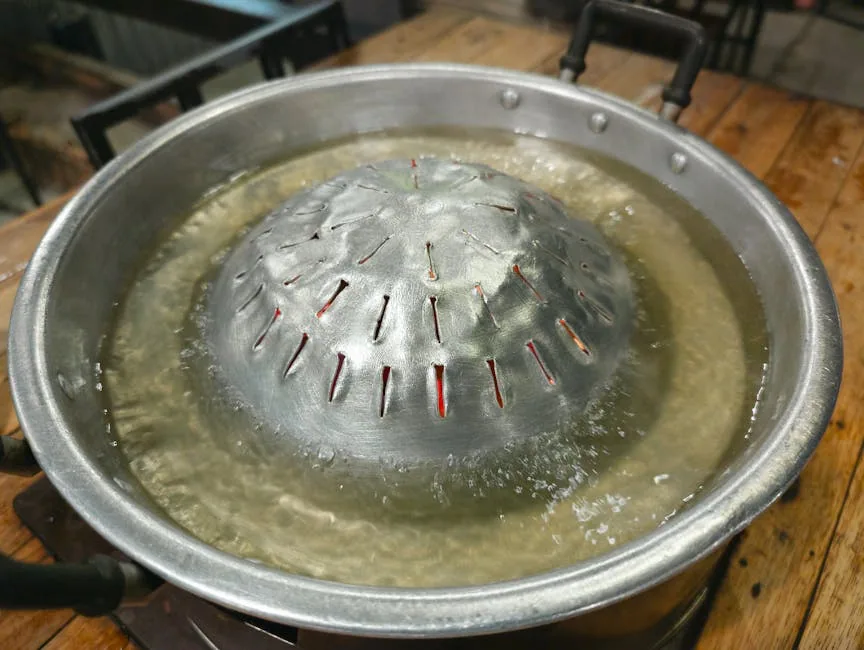
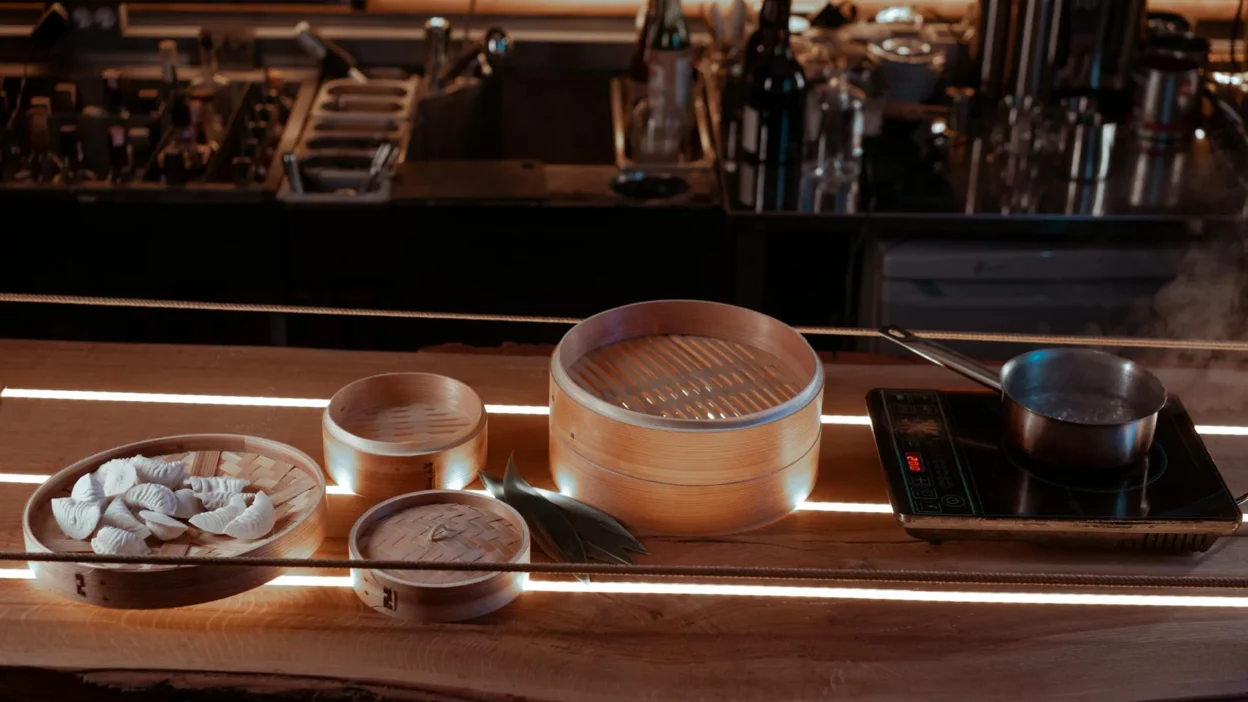
Photo by Markus Winkler on Pexels
Boiling Liquids
This is where the lid delivers its most dramatic results. Bringing a large pot of water to a boil with the lid on can be up to three times faster. The lid prevents heat from escaping into the air, directing all your burner’s energy into the water. Whether it’s for pasta, potatoes, or blanching veggies, start with the lid on until you reach a rolling boil.
Simmering and Braising
Once you’ve reached a boil and reduced to a simmer, keeping the lid on is crucial. It maintains a steady, gentle temperature with far less energy input. For soups, stews, and braises, the trapped steam creates a moist, even cooking environment that tenderizes tough cuts of meat and allows flavors to meld perfectly without the liquid evaporating away.
Reheating Leftovers
Reheating food on the stovetop, especially saucy dishes, is much faster with a lid. It quickly rebuilds a steamy environment that heats the food evenly without drying it out or requiring a higher flame.
When the Lid Should Come Off
Purposeful cooking sometimes requires letting moisture escape. In these cases, cooking with the lid off isn’t wasteful—it’s essential for the result you want.
To Reduce and Thicken
When you need a sauce, gravy, or soup to become richer and thicker, you must evaporate water. This is a job for lid off cooking. Simmering without a lid allows the excess liquid to steam away, concentrating flavors and achieving the desired consistency. Putting the lid on here would keep your sauce watery.
To Achieve Crispness or Sear
Moisture is the enemy of a crispy crust. When pan-frying, sautéing vegetables for a roast, or searing a steak, you need the surface moisture to evaporate quickly so the food can brown. A lid would trap steam, resulting in soggy, steamed food instead of a flavorful, textured sear.
To Monitor Closely
Some foods need a watchful eye. Cooking pasta is a classic example—you often need to stir to prevent sticking, and a lid can lead to a sudden, messy boil-over. Similarly, when cooking delicate foods like fish fillets or reducing a very small amount of liquid, having the lid off gives you the control to prevent overcooking or burning.
Making the Smart Choice: A Quick Decision Guide
You don’t need to memorize a long list. Use this simple framework to decide in the moment. It all comes down to your primary goal for the dish.
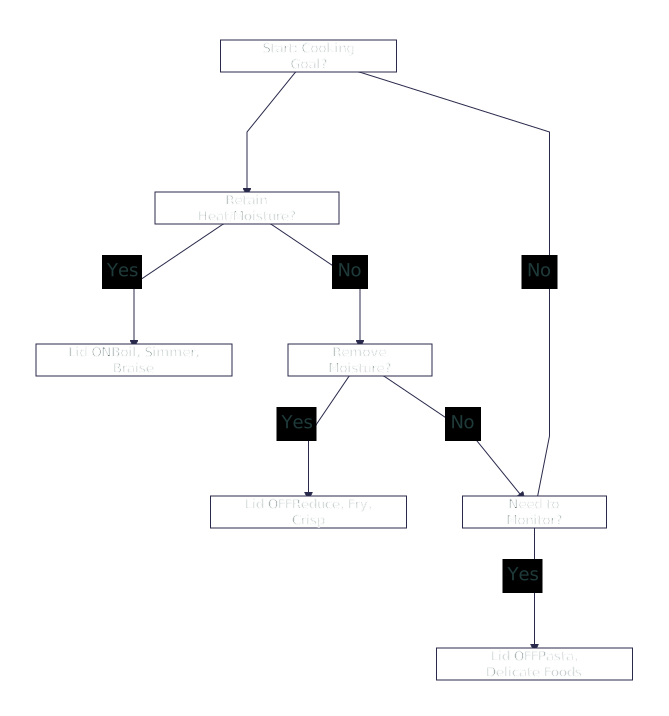
If your goal is to retain heat and moisture—like when boiling water, simmering a soup, or braising meat—the choice is clear: lid on. This is your path to maximum energy efficient cooking.
If your goal is to remove moisture or add texture—like reducing a sauce, frying for crispness, or sautéing—then you need lid off. The energy used here is intentional, driving the chemical reactions (like the Maillard reaction for browning) that create great flavor and texture.
Finally, if you simply need to monitor the food closely to prevent spills or overcooking, go ahead and leave the lid off or slightly ajar. A little extra attention can save a meal, and that’s a worthwhile trade.
Cook Smarter, Not Harder
The most energy-efficient kitchen isn’t ruled by a single commandment, but by intentional choices. Your pot lid is a powerful tool—not a permanent fixture. By understanding the basic science of heat and steam, you can now use it with purpose. Match your lid strategy to your desired outcome: trap heat and moisture to save energy and time, or release them to build flavor and texture. Try applying this decision guide to your very next meal. You’ll save energy without sacrificing a single bit of quality on your plate.