You crack the oven door, just a sliver, to peek at the roast. A wave of dry heat rushes past your face into the kitchen. Later, you glance at your utility bill and feel that same, sinking heat—the visceral sense of energy, and money, literally vanishing into thin air. This common kitchen scene highlights a fundamental truth: effective oven and stovetop energy-saving cooking isn’t about cooking less, but cooking smarter. It’s about understanding the basic physics of how your appliances use energy, and more importantly, how they lose it. By mastering a few core principles of thermal efficiency, you can significantly reduce your kitchen’s energy footprint, lower your bills, and often achieve better cooking results, all without sacrificing a single meal.
The most effective way to save energy cooking on stove and oven is to minimize heat loss and maximize thermal efficiency. This means consistently using lids on pots, matching your pan size to the burner, preheating your oven only when necessary, and turning off burners and ovens a few minutes early to cook with residual heat. It’s a combination of smart habits and a basic understanding of how heat moves from your appliance to your food.
The Physics of Heat in Your Kitchen: Why Energy Escapes
Think of your kitchen appliances as systems designed to transfer energy—specifically, heat—into your food. The problem is that they’re notoriously leaky. To truly master energy-efficient cooking methods, you need a basic grasp of how heat moves and where it gets lost. This isn’t about complex formulas; it’s about visualizing the journey of a calorie of energy from your gas line or electrical outlet to your roasted vegetables.
On the stovetop, heat transfers via conduction (direct contact from burner to pan), convection (hot air or liquid currents circulating), and radiation (infrared waves). A significant portion of the energy you pay for never makes it to your food. It radiates out from the sides of a pot, gets carried away by air currents, or heats up your cookware handle. Your oven works similarly but on a larger scale; it’s essentially a small, insulated room you have to heat. Every time you open the door, you let a massive wave of that expensive hot air escape, forcing the appliance to work harder to recover.
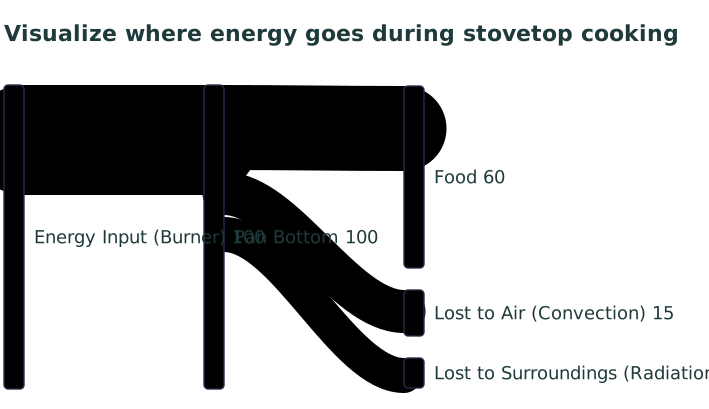
Understanding this leads to a core principle: efficiency is about maximizing heat transfer to the food and minimizing loss to everything else. This is why concepts like using a lid (trapping convective heat and moisture) or matching a pan to the burner (directing conductive energy precisely) are so powerful. It also challenges habits like excessive preheating—for many dishes, putting food into a heating oven uses the appliance’s climb to temperature as part of the cooking process, reducing overall runtime.
Mastering the Stovetop: Burner Intelligence and Pan Power
The stovetop is where small, smart choices yield immediate results in your quest to save energy cooking on stove and oven. The goal is direct, focused heat with minimal waste.
The Golden Rules of Burner and Pan Harmony
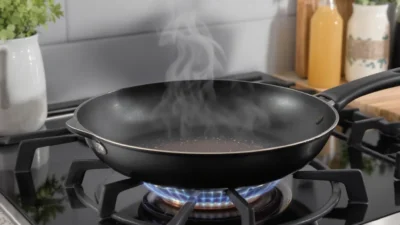
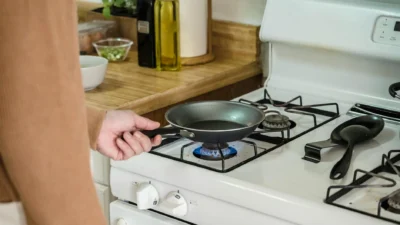
- Match the pan to the burner. A 6-inch pan on an 8-inch burner wastes over 40% of the heat to the surrounding air. Conversely, a large pan on a small burner heats unevenly and takes forever.
- Flat bottoms are non-negotiable. Warped or rounded-bottom pans create an air gap, drastically reducing conductive efficiency, especially on electric and induction cooktops.
- Use the right burner for the job. Don’t automatically use the powerful “power burner” for simmering sauce. Use a smaller burner set to low.
- Dial down after boiling. Once water reaches a rolling boil, reducing the heat to a vigorous simmer maintains the temperature just as effectively with far less energy input.
The single most effective tool for stovetop efficiency tips is a well-fitting lid. It traps heat and moisture, allowing you to cook at a lower temperature or for a shorter time. Boiling pasta? Lid on until it boils. Simmering soup? Lid on. You can also practice “residual heat cooking”: turn off the burner a few minutes before your dish is fully done, especially with dense foods like potatoes or thick stews. The retained heat in the pan will finish the job.
I once realized my gas bill was creeping up because I’d gotten into the habit of using the large front burner for everything—even just heating a small kettle. Switching to the appropriately sized back burner for small tasks was a simple fix with a noticeable impact.
Oven Efficiency: Beyond Just Turning It On
Ovens are energy hogs by design, but using them intelligently can curb their appetite. Let’s walk through a scenario: you’re planning to roast vegetables and bake cookies. An efficient approach would be to roast the veggies first (at a higher temp, like 425°F), then, while the oven is still hot but cooling from being turned off, use the residual heat to finish drying out or crisping the cookies. This leverages one heating cycle for multiple tasks.
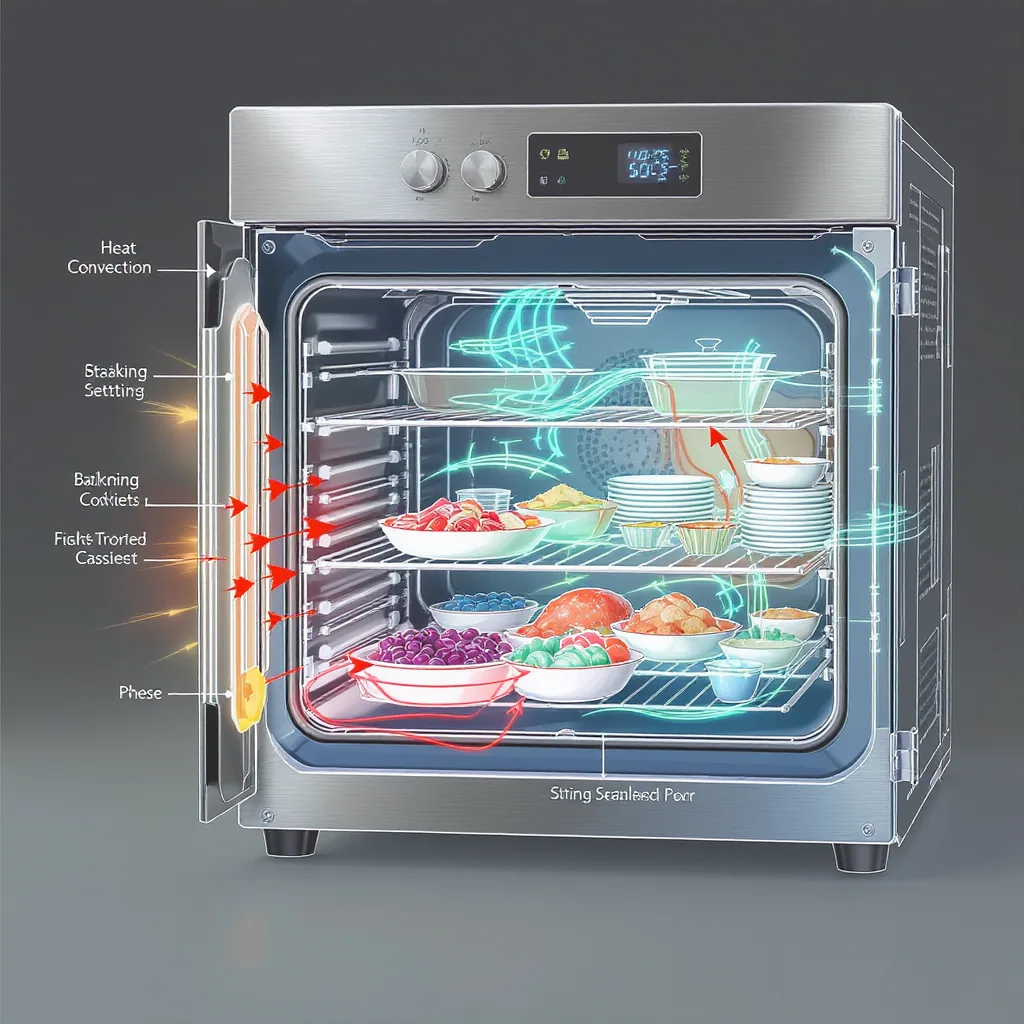
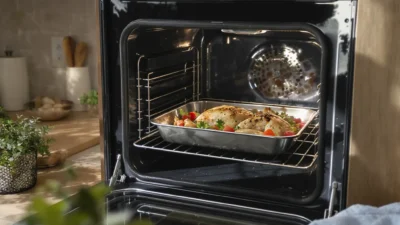
First, question preheating. For most roasting and casseroles, a 5-10 minute preheat is plenty. For baking, yes, you need an accurate temperature, but modern ovens often reach 350°F in under 10 minutes, not the 20+ minutes many recipes suggest. Second, every peek costs you. Opening the door drops the internal temperature by 25-50°F, forcing a recovery cycle. Use the light and window instead.
If your oven has a convection setting, use it. The fan circulates hot air, cooking food more evenly and often 25°F faster. This means you can set a lower temperature or reduce cooking time, leading to direct reduce oven energy consumption. Finally, practice batch or “stacked” cooking. If the oven is on, fill it up. Use multiple racks efficiently (ensure there’s space for air circulation), cooking tomorrow’s lunch while tonight’s dinner is in.
The Synergy of Tools and Techniques
Your habits are amplified or hindered by your tools. The right cookware acts as a better conductor, transferring heat from source to food with less loss. Copper and aluminum cores in clad pans are excellent conductors, heating quickly and evenly. Cast iron, while slower to heat, has high thermal mass, meaning it holds heat exceptionally well—perfect for searing or for using residual heat.
Beyond pots and pans, consider task-specific appliances. A toaster oven or air fryer can use 50-70% less energy than a full-sized oven for small meals or reheating. A pressure cooker is a marvel of thermal cooking principles, using steam and pressure to cook foods in about a third of the time. Even simple tools like an instant-read thermometer prevent over-cooking by telling you exactly when food is done, eliminating guesswork and extra minutes in the oven.
Don’t overlook the basics: sharp knives speed prep, keeping cook times accurate, and a collection of well-fitting lids for every pot is an investment that pays back in energy saved every time you cook.
Common Energy-Wasting Cooking Mistakes (And How to Fix Them)
Many inefficient habits are automatic. Recognizing and correcting them is a fast track to kitchen energy savings.
Mistake: Using a small pot with a large amount of water to boil a few eggs. Fix: Use just enough water to cover the eggs. Less water heats faster.
Mistake: Preheating the oven for 20+ minutes for a sheet-pan roast. Fix: Preheat for 5-10 minutes max. The food will heat with the oven, cooking more evenly and using less total energy.
Mistake: Constantly opening the oven door to check on food. Fix: Trust your timer and use the oven light. If you must check, do it quickly towards the end of cooking.
Mistake: Using a dull knife. Fix: Keep knives sharp. This seems unrelated, but faster, cleaner prep leads to more consistent piece sizes and accurate cook times.
Mistake: Ignoring a wobbly or torn oven door seal. Fix: Check the seal periodically. If you feel heat escaping or see light around the door when it’s closed, the seal likely needs replacing.
Strategic Meal Planning for Maximum Efficiency
True efficiency happens when you think beyond a single meal. Strategic meal planning ties all these techniques together into a coherent, energy-saving system. The concept is “oven layering” or “sequential stovetop use.”
Plan a cooking day where the oven does multiple duties. For example, roast a chicken and vegetables on the main rack, while a rice pudding or baked potatoes sit on a lower rack. You can also use descending temperatures: start with a high-heat roast, then lower the temp for a slower-bake casserole. On the stovetop, boil water for pasta in a large pot, then use that same hot water (or the still-hot burner) to blanch vegetables for tomorrow’s salad.
This approach to cooktop conservation techniques also embraces “passive cooking.” After bringing a stew or soup to a boil, turn off the heat, put on a tight lid, and let it sit. The retained heat will continue to cook the food gently for another 15-20 minutes, saving burner time. A well-insulated Dutch oven is perfect for this.
Maintenance: The Silent Energy Saver
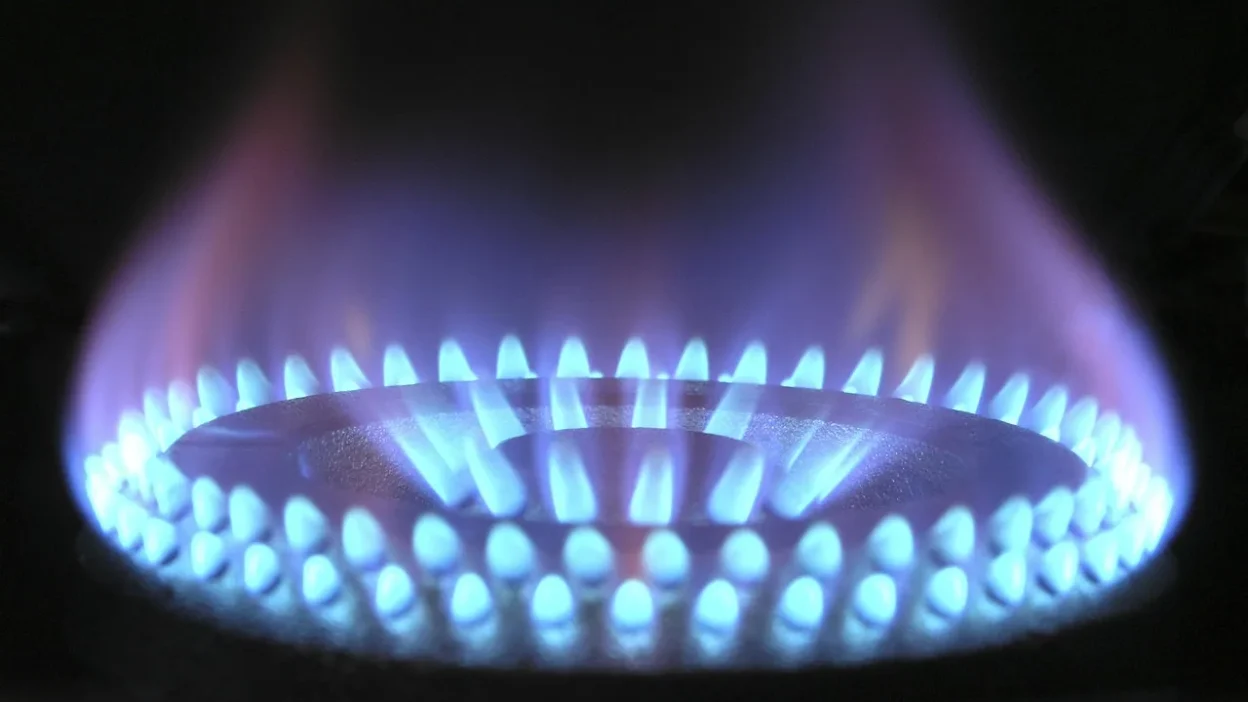
An appliance in poor condition cannot operate efficiently. Simple maintenance is a direct form of energy conservation. For electric coil stovetops, ensure the coils are fully seated and clean; built-up grime acts as an insulator. For gas burners, clean the ports to ensure a clean, blue flame—a yellow flame indicates incomplete combustion and wasted fuel.
Your oven’s door seal is its first line of defense. A cracked or loose seal lets heat leak constantly. Test it by closing the door on a dollar bill; if you can pull it out easily, the seal needs attention. Also, keep the oven interior clean. Heavy carbon buildup can affect heating element performance and temperature sensors. A simple, regular clean ensures accurate heating and prevents longer-than-necessary cook times.
Putting It All Into Practice: Your Efficiency Action Plan
Transforming knowledge into habit requires a plan. Here’s a tiered action list you can start implementing today.
Quick Wins (Do This Week)
- Resolve to use a lid on every pot that isn’t actively reducing a sauce.
- Check that your pans match your burner sizes and have flat bottoms.
- Stop preheating your oven for more than 10 minutes for non-baked goods.
- Turn off electric burners 1-2 minutes before cooking is complete.
Medium-Term Habits (Build Over a Month)
- Plan one “oven-load” meal per week where you cook multiple items at once.
- Practice using residual heat for finishing grains, steamed vegetables, or soups.
- Make a habit of checking your oven seal and cleaning burner heads.
- Use your convection setting for roasting and baking to reduce time/temp.
Investment Upgrades (Consider When Possible)
- Invest in a core set of high-quality, flat-bottomed pans with tight-fitting lids.
- Consider a toaster oven or pressure cooker for small-batch cooking.
- Replace old, warped bakeware with ceramic or glass, which often retain heat better.
- Use an oven thermometer to verify your oven’s accuracy and avoid over-heating.
Master Your Kitchen, Not Just Your Recipes
Adopting these oven and stovetop energy-saving cooking techniques isn’t about deprivation or complicated rituals. It’s about developing a deeper understanding of your kitchen’s physics and applying smart, intentional habits. The reward is threefold: you’ll see a tangible reduction in your utility bills, you’ll shrink your environmental footprint with every meal, and you’ll often achieve better, more consistent cooking results through more controlled and even heating.
Start with just one change from the action plan—perhaps committing to using lids or mastering the art of the single-oven load. As these practices become second nature, you’ll transform your kitchen from a place of energy consumption into a hub of efficient, mindful creation. The power to cook smarter is literally at your fingertips.
The core principles of energy-efficient cooking are simple: minimize heat loss, maximize heat transfer to your food, and use time strategically. You can achieve this through practical habits like always using lids, matching pans to burners, avoiding unnecessary preheating and oven-peeking, and leveraging residual heat. Combining these daily techniques with strategic meal planning and basic appliance maintenance compounds into significant savings on your energy bills, making your kitchen both more economical and environmentally friendly.
Q: Does using a convection oven really save energy?
A: Yes, typically. The circulating fan allows heat to transfer to food more efficiently. This often means you can reduce the cooking temperature by about 25°F or shorten the cooking time by roughly 25%, leading to lower overall energy use for the same result.
Q: Is it better to use a microwave or the oven to reheat food?
A: For most small portions, a microwave is far more energy-efficient. It heats food directly by exciting water molecules, while an oven must heat a large air cavity. Use the oven only for reheating items where crispness is key, like pizza or fried foods, and try to batch those items.
Q: Do ceramic or glass bakeware save energy compared to metal?
A: They can, due to their heat retention properties. Ceramic and glass absorb and hold heat well, allowing you to sometimes turn off the oven early and let residual heat finish the cooking. However, they often require slightly longer preheating as they heat up slower than thin metal pans.
Q: How much energy does opening the oven door actually waste?
A: It can be significant. A single open-door peek can drop the internal temperature by 25°F to 50°F or more, forcing the oven to use extra energy to recover. According to the U.S. Department of Energy, this can reduce the oven’s overall efficiency by up to 20% during baking.
Q: Should I unplug my electric stove when not in use?
A: Generally, no. Modern electric stoves have minimal “phantom load” (standby power draw). The energy saved from unplugging is negligible compared to the inconvenience and potential wear on the outlet. Focus your efforts on efficient use during cooking, which has a much larger impact.