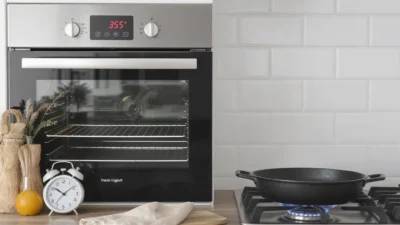
What if you could cut your kitchen’s energy use without sacrificing a single delicious meal? It’s not about cooking less; it’s about cooking smarter. The secret is a simple shift in perspective: your kitchen isn’t just a place to make food, it’s a workshop where choosing the right tool and technique for each task is the hidden skill that slashes your bills and your carbon footprint. This isn’t about a major appliance overhaul—though an Energy Star-rated model helps—it’s about mastering the routine. An effective energy-saving cooking method checklist works on a simple principle: first, you build your toolkit by understanding appliance efficiency and core techniques, then you apply that toolkit to your daily breakfast, lunch, and dinner routines. Let’s turn that knowledge into action and start saving with your very next meal.
An effective energy-saving cooking method checklist starts by choosing the most efficient appliance for the task—like a toaster over an oven for toast—and applying core techniques like using lids and batch cooking to breakfast, lunch, and dinner routines. The goal is to match the right tool to each meal, using faster, lower-power methods where possible and planning to maximize the use of appliances like ovens. Start with simple, universal habits: always cover pots with lids to trap heat, match your pan size to the burner, and defrost food in the fridge overnight instead of using the microwave.
Your Energy-Saving Kitchen Toolkit: Appliances & Core Techniques
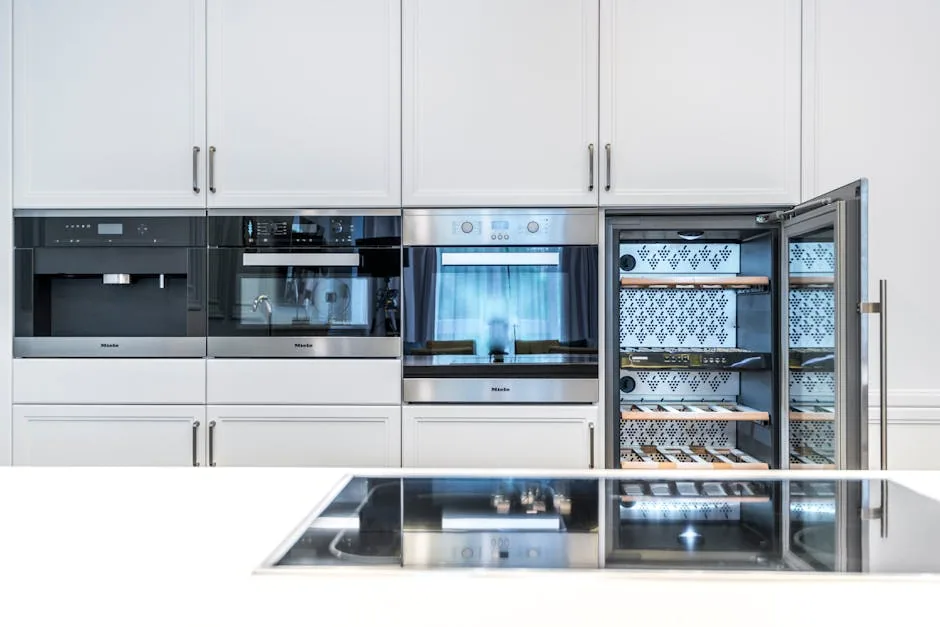
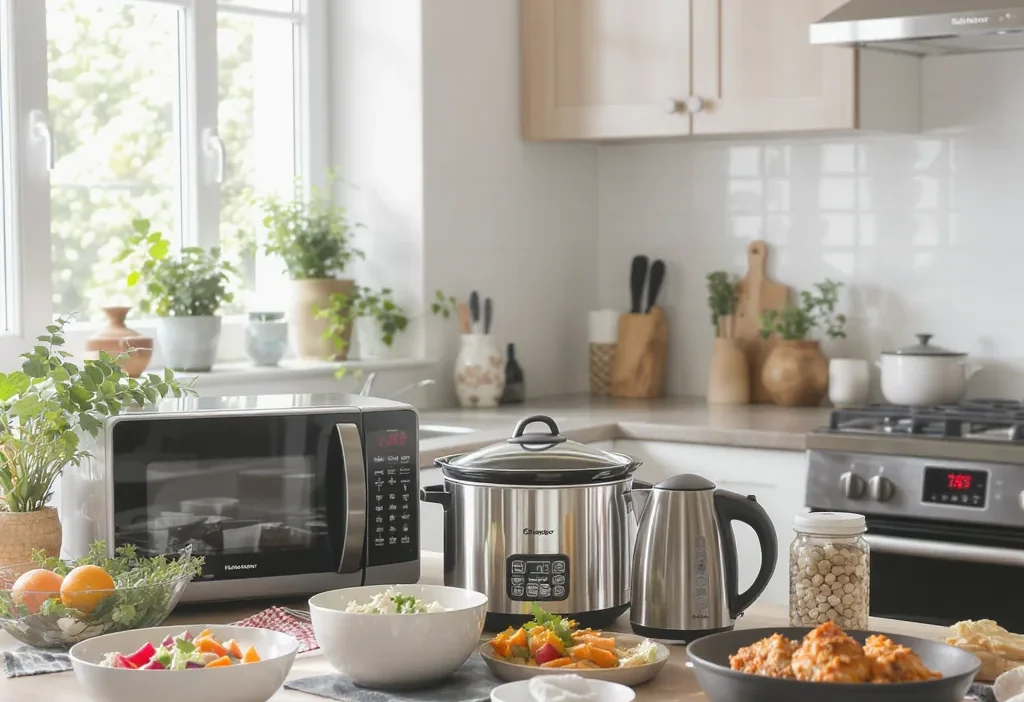
Photo by Max Vakhtbovych on Pexels
Before we dive into meals, let’s get familiar with your tools. Not all appliances are created equal when it comes to appliance cooking efficiency. Think of them in a hierarchy, from most to least efficient for most tasks:
- Induction Cooktop: Heats the pan directly with magnetic energy, wasting very little heat. It’s the gold standard for speed and control.
- Microwave: Excellent for reheating, steaming vegetables, and melting butter. It heats food directly, not the air around it.
- Slow Cooker / Pressure Cooker: These are champions of low-power meal preparation. A slow cooker uses about as much energy as a light bulb, while a pressure cooker slashes cooking times dramatically.
- Toaster Oven / Air Fryer: Perfect for small batches. Using a toaster oven instead of a full-sized oven can cut energy use by 50% or more for tasks like roasting vegetables or baking a single potato.
- Electric Stovetop / Oven: These are your heavy lifters but are less efficient. The key is to use them smartly—always preheat only when necessary and keep the door shut.
When shopping, look for the ENERGY STAR label to identify the most efficient models.
Your Universal Technique Checklist
No matter what you’re cooking, these core techniques form the backbone of your energy-saving cooking method:
- Use a Lid: This simple act traps heat, bringing water to a boil faster and cooking food more quickly.
- Match Pot to Burner: A small pot on a large burner wastes energy. The pot should cover the heating element.
- Defrost First: Cooking frozen food directly takes significantly more energy. Plan ahead and thaw in the fridge.
- Batch Cook: When you turn on the oven, fill it up. Roast a week’s worth of vegetables and proteins at once.
- Embrace Residual Heat: Turn off the electric burner or oven a few minutes before food is done. The remaining heat will finish the job.
The Breakfast Routine: Fast, Low-Energy Morning Meals
Mornings are rushed, making them the perfect time to implement efficient habits. Let’s walk through two common scenarios.
Scenario: Boiling Water for Coffee, Tea, or Oatmeal. The fastest, most efficient method is an electric kettle. It’s designed to heat water directly and switches off automatically. Using a stovetop pot, even with a lid, is slower and less efficient. If you only have a stovetop, use the smallest pot possible and keep the lid on tight.
Scenario: Making Toast & Eggs. A dedicated toaster uses far less energy than heating your entire oven’s broiler. For eggs, consider a microwave for scrambling or poaching, or use a small pan on a properly sized burner with a lid to cook faster.
Your quick low energy meal cooking checklist for breakfast:
- DO: Use an electric kettle for hot water. Use a toaster for bread, bagels, or waffles. Cook eggs in a small, lidded pan or the microwave.
- DON’T: Boil water in an uncovered pot on a large burner. Use the oven for one or two slices of toast. Leave the stovetop on high once your food is cooking.
The Lunch & Dinner Routine: Smart Strategies for Main Meals
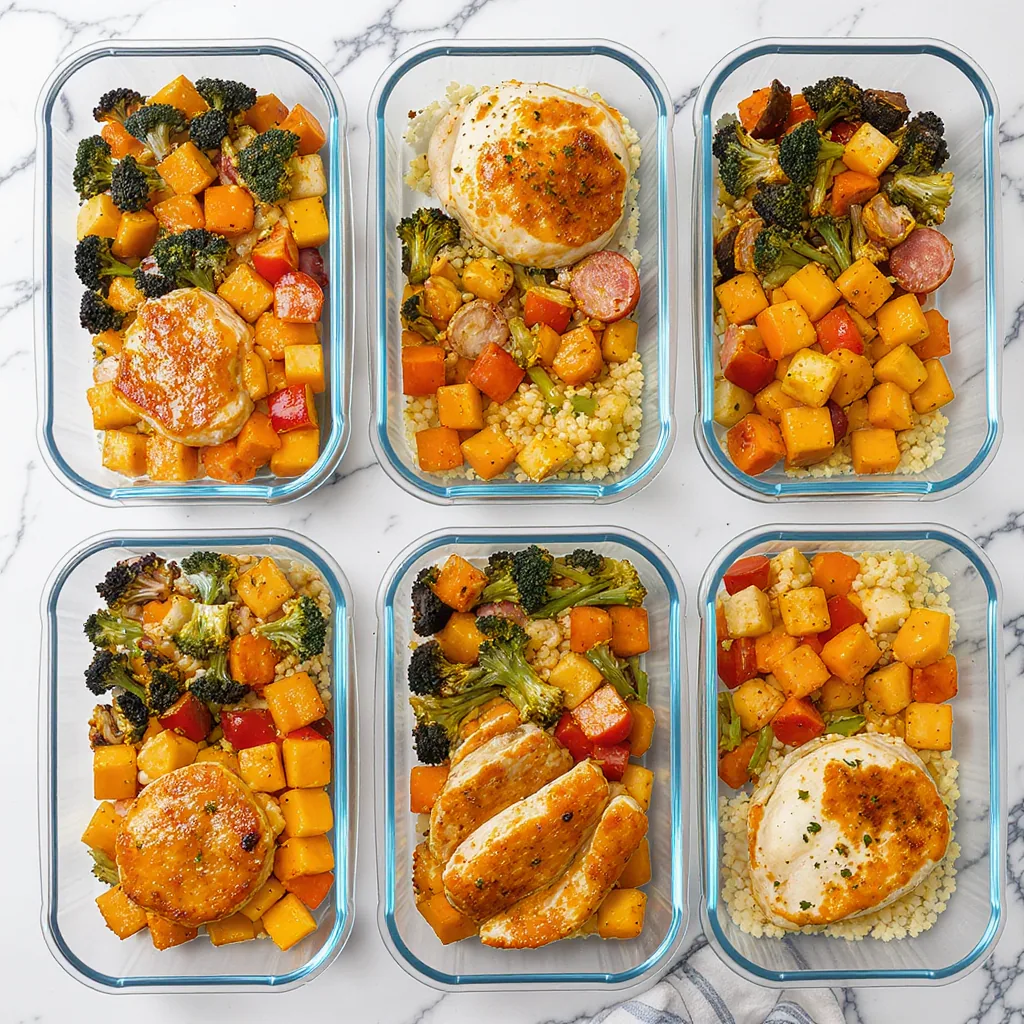
This is where your appliance cooking efficiency checklist pays the biggest dividends. The goal is to minimize the runtime of your most power-hungry appliances—the oven and stovetop.
DO: These High-Impact Strategies
- Master the One-Pan Roast: When you do use the oven, fill the entire rack. Roast vegetables, chicken breasts, and potatoes together on a single sheet pan. This is the essence of cooking to save electricity.
- Steam Smarter: Steam vegetables in the microwave with a splash of water in a covered dish instead of using a stovetop steamer basket. It’s faster and uses a fraction of the energy.
- Go Passive for Grains: For rice, quinoa, or pasta, bring to a boil, put on a lid, and turn off the heat. Let it sit and finish cooking using residual heat (this works especially well on an electric glass-top stove).
- Plan a “Cook Once, Eat Twice” Week: On Sunday, use your oven to batch-cook a large roast, a tray of roasted veggies, and a baked grain dish. You’ve now created efficient building blocks for quick lunches and dinners all week.
DON’T: These Common Energy Drains
- Don’t Preheat Unnecessarily: For most roasting and casseroles, you can put the food in a cold oven and start the timer once it reaches temperature. The preheating time is often wasted.
- Don’t Peek in the Oven: Every time you open the door, the temperature drops by 25°F or more, forcing it to reheat.
- Don’t Boil Water on High: Once a pot reaches a rolling boil, reduce the heat to a simmer. A violent boil doesn’t cook food any faster; it just turns energy into steam.
- Don’t Use a Big Appliance for a Small Job: Reheat last night’s leftovers in the microwave or toaster oven, not the full-sized oven.
Your Action Plan: Building the Habit
Knowledge is useless without action. Your mission this week is simple: Pick one meal type and apply one new technique.
Maybe it’s committing to using lids every time you boil water for pasta. Perhaps it’s planning a batch-cook session this weekend. Or it could be as simple as moving your toaster to the front of the counter as a visual reminder not to use the oven for toast. Start with the easiest win to build momentum. As these energy-efficient cooking techniques become habit, you’ll see the difference on your bill and know you’re cooking smarter with every meal.
Start Saving with Your Next Meal
Energy-saving cooking isn’t about deprivation; it’s about working smarter with the tools you already have. By matching the right appliance to the task and applying a few core techniques, you transform everyday cooking into an act of kitchen energy conservation. The savings—both for your wallet and the planet—compound with every breakfast, lunch, and dinner you prepare. This isn’t a distant goal; it’s a skill you can practice immediately. So, what’s your first move going to be?