It’s 6 PM on a Wednesday. You’re staring at a cold oven, a hungry family, and the looming dread of another sky-high energy bill. The last thing you need is another complicated system to learn. What if the secret to saving both time and money wasn’t a major kitchen overhaul, but a simple, repeatable routine? An oven cooking checklist for energy saving is exactly that—a practical, pre-cooking ritual that transforms hectic weeknights. By focusing on a few key actions before you even turn the dial, you can slash your oven’s runtime, reduce your electricity use, and get a wholesome dinner on the table with far less stress. This isn’t about sacrifice; it’s about working smarter with the appliance you already have.
To lower your oven’s energy use on busy weeknights, follow a simple pre-cooking checklist: plan one-pan or sheet-pan meals, skip unnecessary preheating for longer cooks, and always fill the rack to bake multiple items at once. This routine slashes active time and kilowatt-hours.
Your 5-Minute Pre-Oven Checklist
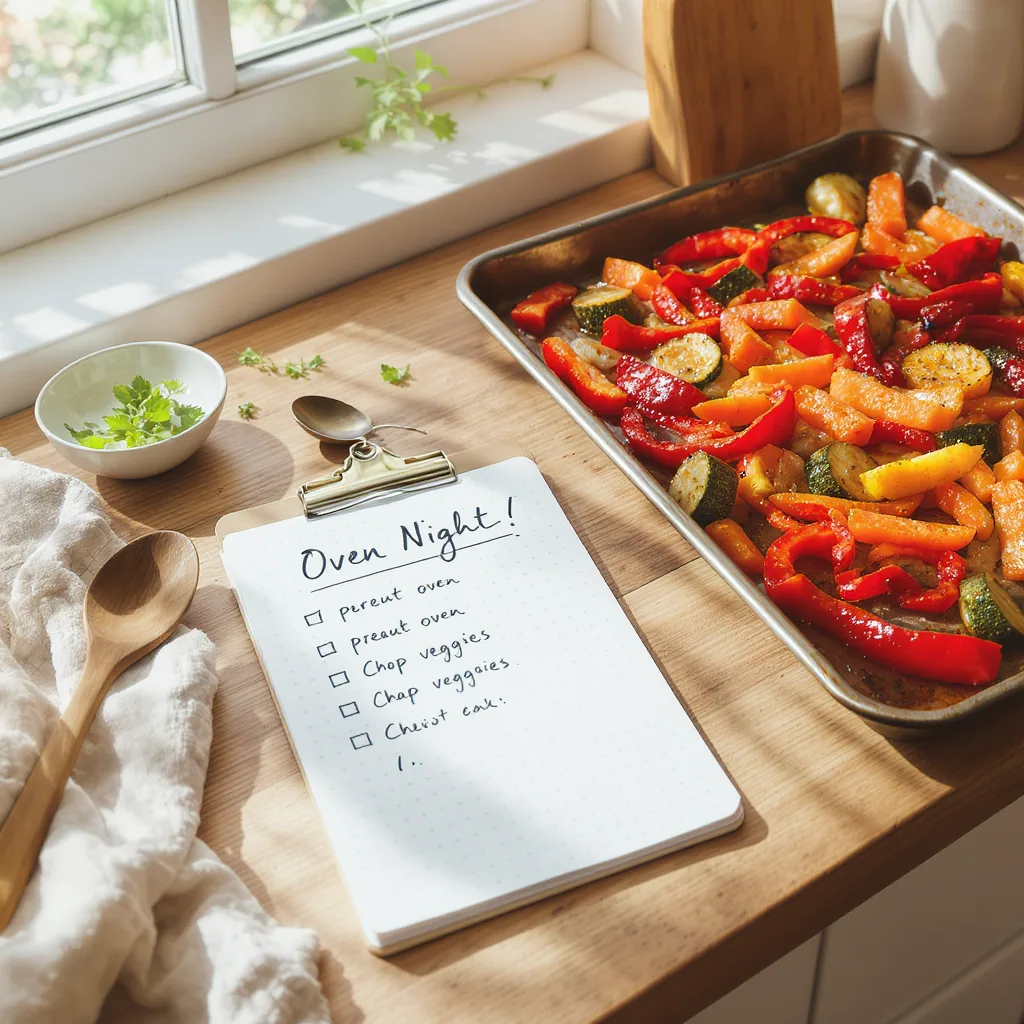
This is your core oven cooking checklist for energy saving. Run through these points while you’re gathering ingredients. It takes five minutes and sets you up for a win.
1. Meal Match: Choose a one-pan or sheet-pan recipe. Roasted veggies with chicken sausages, salmon with asparagus, or a simple tray of root vegetables. This single step is the foundation of an efficient oven meal routine.
2. Preheat Smart: Ask: “Does this dish really need a preheated oven?” For roasts, casseroles, or anything that cooks for over 30 minutes, you can often skip it. Turn the oven on when you put the food in. For baked goods or pizzas, preheat is non-negotiable.
3. Rack Ready: Position the rack in the middle before heating. This ensures even cooking and prevents you from having to adjust a hot, energy-losing oven later.
4. Pan Power: Use light-colored, shiny metal baking sheets or glass/ceramic dishes. They reflect heat better than dark, matte pans, which can absorb it and require a slightly higher temperature.
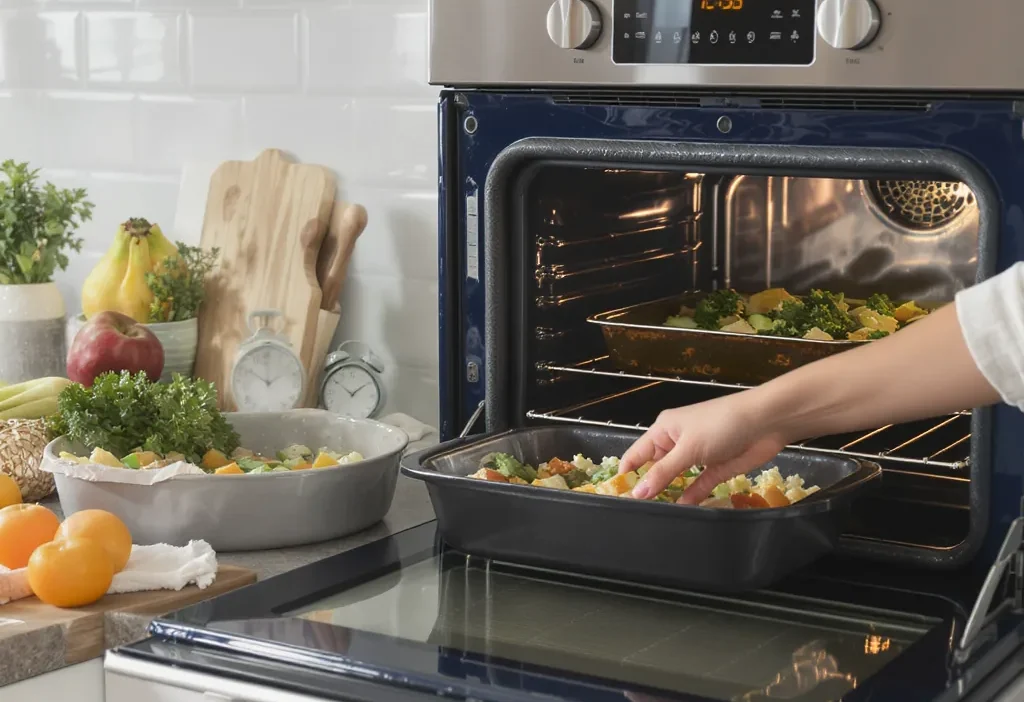
5. Oven Full: Look at that empty rack space. Can you roast some broccoli for tomorrow’s lunch? Bake a few potatoes for later in the week? Maximizing every cycle is a top weeknight oven energy tip.
6. Door Discipline: Mentally commit to using the oven light and window to check progress. Every peek can drop the internal temperature by 25°F or more, forcing the oven to work harder.
The Smart Cook’s Weeknight Routine
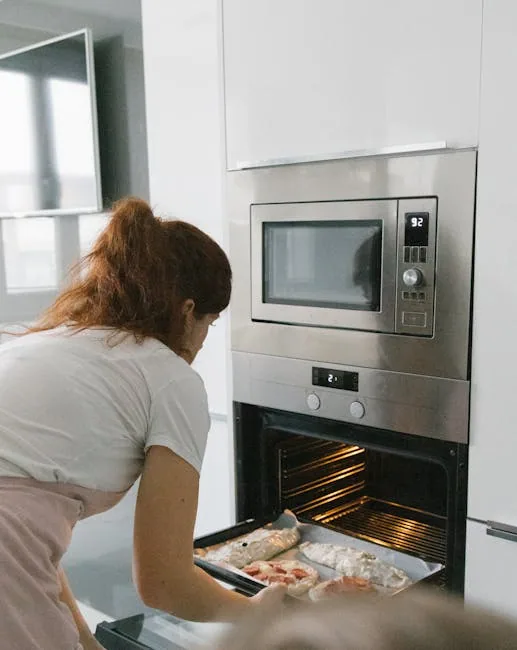
Photo by Meruyert Gonullu on Pexels
Let’s see this checklist in action for a real efficient oven meal routine. It’s Wednesday. You’re home, tired, and dinner needs to happen.
5:00 PM: You pull chicken thighs and pre-cut veggies from the fridge. Meal Match? Check—it’s a one-pan meal. You toss everything with oil and seasonings on a large, shiny baking sheet. Rack is already in the center.
5:10 PM: You decide the chicken cooks for 40 minutes, so you skip the preheat (Smart Preheat). You place the full pan in the cold oven, set it to 425°F, and turn it on. You also slide in a small dish of apples to bake alongside for a dessert (Oven Full).
5:45 PM: Using the oven light, you see everything is perfectly browned. You pull out a complete dinner and a prepared dessert. The oven was actively heating for only 35 minutes, not 45+ (which would happen with a 15-minute preheat plus cook time). That’s a direct cut to your oven electricity use.
This scenario shows how a few intentional choices streamline the process. The energy savings come from reducing total oven-on time, which is the ultimate goal of any weeknight cooking efficiency plan.
Energy-Saving Dos and Don’ts for Oven Use
Beyond the checklist, keep these broader principles in mind. They’ll help you avoid common pitfalls and solidify good habits.
DO:
- Use your convection setting if you have it. It circulates hot air, allowing you to often reduce the temperature by 25°F and cook a bit faster, improving overall oven temperature management.
- Keep the oven door seal clean and intact. A frayed or gunked-up seal lets heat escape, making your oven work overtime.
- Turn the oven off a few minutes early for longer dishes. The retained heat will finish the job for free.
- Thaw frozen foods in the fridge first. Putting a frozen block in the oven drastically extends cooking time.
DON’T:
- Preheat for longer-cooking items. This is a frequent waste. For soups, braises, and most roasts, it’s unnecessary.
- Open the door to check on food. Use that light! This is perhaps the most common mistake that kills efficiency.
- Use the oven to warm plates or cook tiny items. A toaster oven or microwave is far more efficient for small jobs.
- Ignore a half-empty oven. If you can’t add a food item, consider using the spare rack to heat a stoneware tile or a cast-iron pan. It will act as a thermal mass, helping to stabilize temperature when you do open the door.
Beyond the Oven: Your Efficient Kitchen Ecosystem
True kitchen appliance energy saving means using the right tool for the job. Your full-sized oven is a powerhouse best used for larger, longer tasks.
For smaller meals, reheating leftovers, or toasting, a countertop toaster oven or air fryer can use up to 50% less energy. It’s a worthwhile investment for busy households. Also, a simple act like covering pots on the stovetop retains heat and reduces cooking time, complementing your oven energy tips.
Finally, a bit of maintenance goes a long way. Periodically check that your oven door closes snugly. A quick, easy test is to close the door on a dollar bill; if you can pull it out with little resistance, the seal may need replacing. Also, a clean oven reflects heat better than one with baked-on grime.
These small changes, combined with your checklist, create a system where saving energy becomes automatic, not an extra chore on a busy night.
Small Shifts, Big Impact on Busy Nights
Saving energy with your oven isn’t about a complete lifestyle overhaul. It’s about adopting a simple, repeatable system that works with your hectic schedule, not against it. The checklist you have now is that system—a practical filter for your weeknight decisions.
By planning one-pan meals, heating smartly, and maximizing space, you directly reduce the time your oven is on and the electricity it uses. The result is lower bills, less stress, and dinner on the table just a bit faster. That’s a win on every front.
Your challenge? Don’t try to memorize it all. Just try the full oven cooking checklist for energy saving once this week. See how it feels. You’ll likely find the routine itself is the biggest energy saver of all—the mental kind.