Think of your kitchen’s energy use like a leaky faucet. Each time you preheat an oven for a single baked potato, use a giant burner for a small saucepan, or let precious residual heat escape unused, it’s a small, constant drip. Individually, these habits seem insignificant, but over a month of daily cooking, they add up to a significant drain on your wallet and the planet. The good news? You don’t need a kitchen remodel to fix it. By adopting a simple appliance energy-saving habit checklist, you can tighten those daily routines, stop the waste, and start seeing real savings with your very next meal. This guide breaks down that checklist into practical, no-fuss actions you can implement immediately.
Your most effective appliance energy-saving habit checklist starts with three core actions: right-sizing your appliance to the cooking task, mastering when to preheat (and when not to), and leveraging residual heat. These simple shifts can cut your kitchen’s energy use significantly with no sacrifice in results. Focus on these fundamentals first to build a foundation of kitchen appliance efficiency habits that make every cooking session more sustainable and cost-effective.
Your Appliance Efficiency Toolkit: The Core Principles
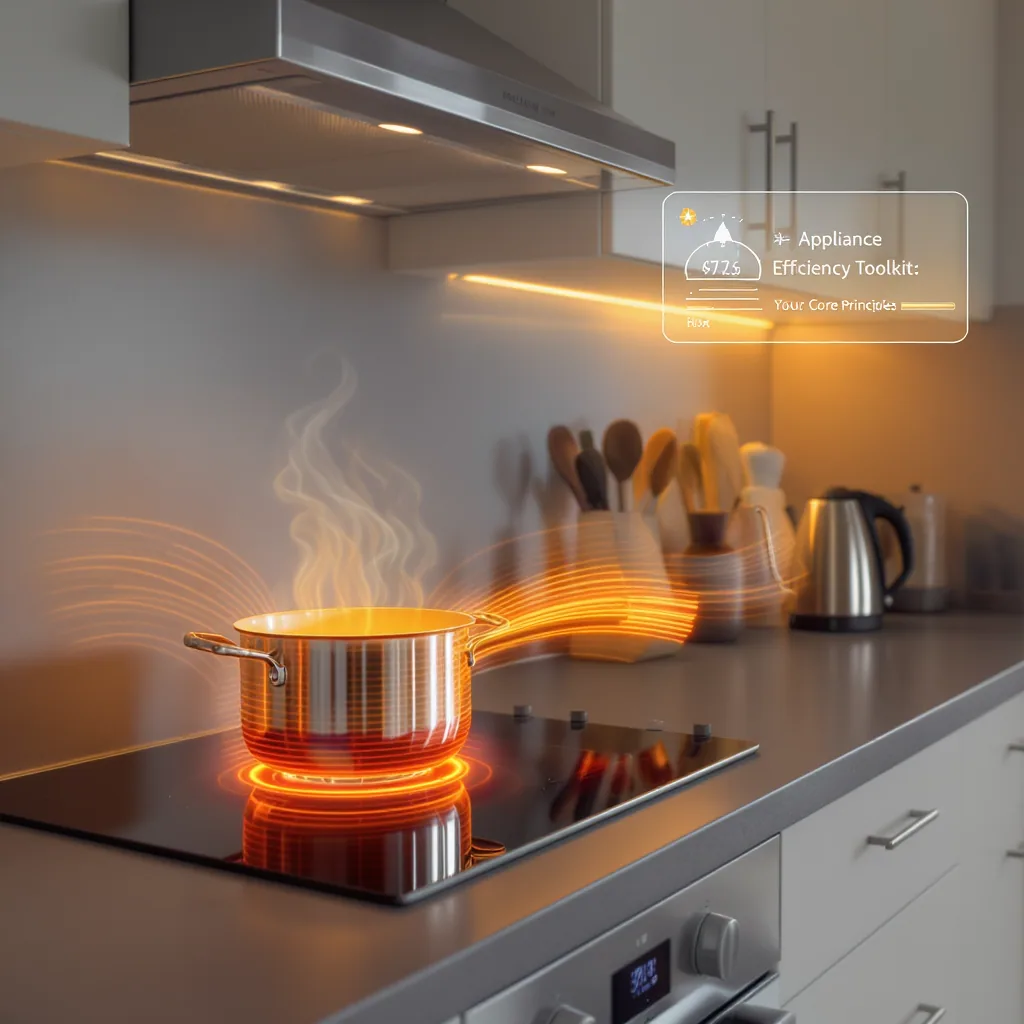
Before we dive into the checklist, let’s get the mindset right. Saving energy in the kitchen isn’t about cooking less; it’s about cooking smarter. It boils down to three simple physics principles you already understand: don’t heat empty space, trap heat where you need it, and let modern technology do the heavy lifting.
Older habits, like preheating the oven for 20 minutes for a casserole or boiling a full kettle for one cup of tea, are based on a time when appliances were less responsive. Today’s ovens and induction cooktops heat up remarkably fast. The real secret to kitchen appliance efficiency habits is working with your appliance’s design, not against it. For example, understanding that a clean, shiny reflector bowl under your stove’s coil directs heat upward, or that a warped baking sheet disrupts airflow in your oven, turns maintenance into a power-saving strategy.
Think of it as building an efficient kitchen ecosystem. Every choice, from the pan you pick to the moment you turn off the burner, contributes to your overall daily cooking energy conservation. This foundational shift is what makes the following habits so powerful.
The Daily Habit Checklist: Your Pre-Cooking Ritual
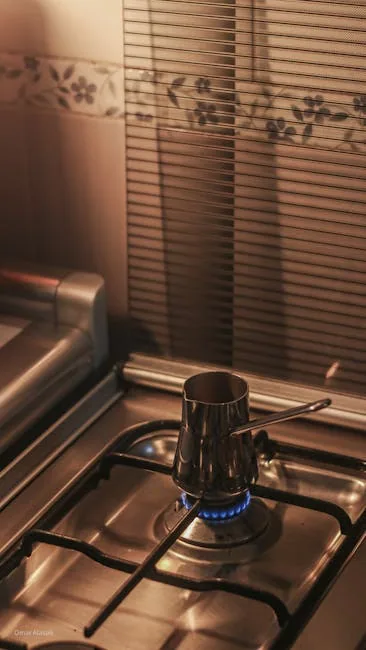
Photo by Omar Alasali on Pexels
Run through these quick checks before you even turn a knob. This pre-cooking ritual sets the stage for maximum efficiency.
- Match the pan to the burner. A small pan on a large burner wastes over 40% of the heat to the surrounding air. Your pan bottom should cover the coil or element completely.
- Use lids. Always. A lid traps heat and steam, dramatically reducing cooking time and the energy needed to keep a boil. It’s the simplest upgrade to your kitchen appliance efficiency habits.
- Inspect oven and fridge seals. A quick visual check for cracks or gaps in the rubber gaskets can prevent costly heat (or cold) leakage. A dollar bill test works well—if you can pull it out easily when the door is closed, the seal is weak.
- Defrost strategically. Plan ahead and move frozen items to the fridge the night before. This uses the fridge’s ambient cold (which is already running) instead of the microwave’s power, and it helps keep your fridge cold.
- Choose the right tool. Ask: “Is the oven necessary?” Toaster ovens, air fryers, and microwaves use far less energy for small jobs. This is the core of smart appliance efficiency thinking.
Smart Cooking: The In-The-Moment Efficiency Moves
Now you’re cooking. These real-time decisions lock in the savings. Follow this “Do This / Not That” guide to avoid common energy drains.
DO use an electric kettle to boil water for pasta, then transfer it to the pot. It’s faster and more efficient than a stovetop.
DON’T boil more water than you need. Measure it.
DO resist the urge to peek into the oven. Every time you open the door, the temperature can drop 25°F or more, forcing it to reheat.
DON’T preheat for longer than necessary. For most modern ovens, 5-10 minutes is ample. For roasting veggies or baking casseroles, you can often skip preheating altogether and just add a few minutes to the cook time.
DO use the convection setting if your oven has it. The fan circulates hot air, cooking food faster and at a lower temperature (typically 25°F lower).
DON’T overcrowd pans on the stovetop or racks in the oven. Good air circulation is key for even, efficient cooking.
DO keep burners and reflectors clean. Burnt-on food acts as an insulator, making the element work harder to transfer heat to your pan.
DON’T use a large pot to cook a single serving. Downsize your cookware to match the meal.
The Post-Cooking Power-Down: Capturing Wasted Energy
The cooking is done, but your appliance is still holding valuable heat. This is the most overlooked phase for daily cooking energy conservation. Here’s a common scenario to illustrate the point.
You’ve just baked a tray of cookies. The oven is at 350°F but is now turned off. Instead of letting that expensive, generated heat escape uselessly into your kitchen (making your AC work harder in summer), use it. Slide in a second batch of cookies to bake on residual heat, warm plates for dinner, or dry herbs. That heat is already paid for—get every bit of value from it.
The same principle applies to the stovetop. For foods that just need to stay warm or finish cooking gently, turn the electric burner off 1-2 minutes early. The residual heat in the coil and the pan will carry it through. Finally, make a habit of wiping down spills on glass cooktops or cleaning drip pans once they’re cool. A clean appliance doesn’t have to work as hard to perform, which is a fundamental sustainable cooking routine for long-term savings.
Start Saving With Your Next Meal
Transforming your kitchen into an energy-efficient hub doesn’t require a renovation or expensive gadgets. It’s about layering these small, smart habits into your existing routine. The collective impact on your bills and your carbon footprint is real and immediate.
Your decisive next step? Don’t try to overhaul everything at once. Scroll back up and pick one single habit from the checklist—like using a lid every time you boil water or checking your oven seal this week. Implement it at your very next meal. Consistency with one practice beats a perfect but forgotten list. That’s how you build a truly efficient kitchen, one smart cook at a time.