You might think the secret to a lower energy bill is a kitchen full of new, high-efficiency appliances. But the real waste—both of your time and your money—isn’t in the wattage of your oven; it’s in the chaotic 10 minutes before you even turn it on. That frantic search for a lid, the forgotten ingredient still in the fridge, the burner left on high under an empty pan—these small inefficiencies add up to significant energy drain and frustration every single time you cook. A strategic cooking session checklist for energy saving flips the script. It’s not about cooking less; it’s about cooking smarter by optimizing your kitchen workflow. This guide provides that exact plan, turning your next meal prep into a streamlined operation that conserves power, slashes your active time at the stove, and leaves you with less mess and lower bills.
The most effective cooking session checklist for saving energy focuses on workflow, not just wattage. Start by planning your menu to use the oven or stovetop just once, prepping all ingredients before heating anything, and using residual heat to finish cooking. Your core checklist should be broken into three phases: a Pre-Session plan to organize everything, an Active Cooking workflow to minimize appliance runtime, and a Post-Cooking routine to capture leftover heat and power down completely. This sequence tackles the biggest energy drains—idling appliances and inefficient multitasking—head-on.
Your Core Energy-Saving Cooking Checklist
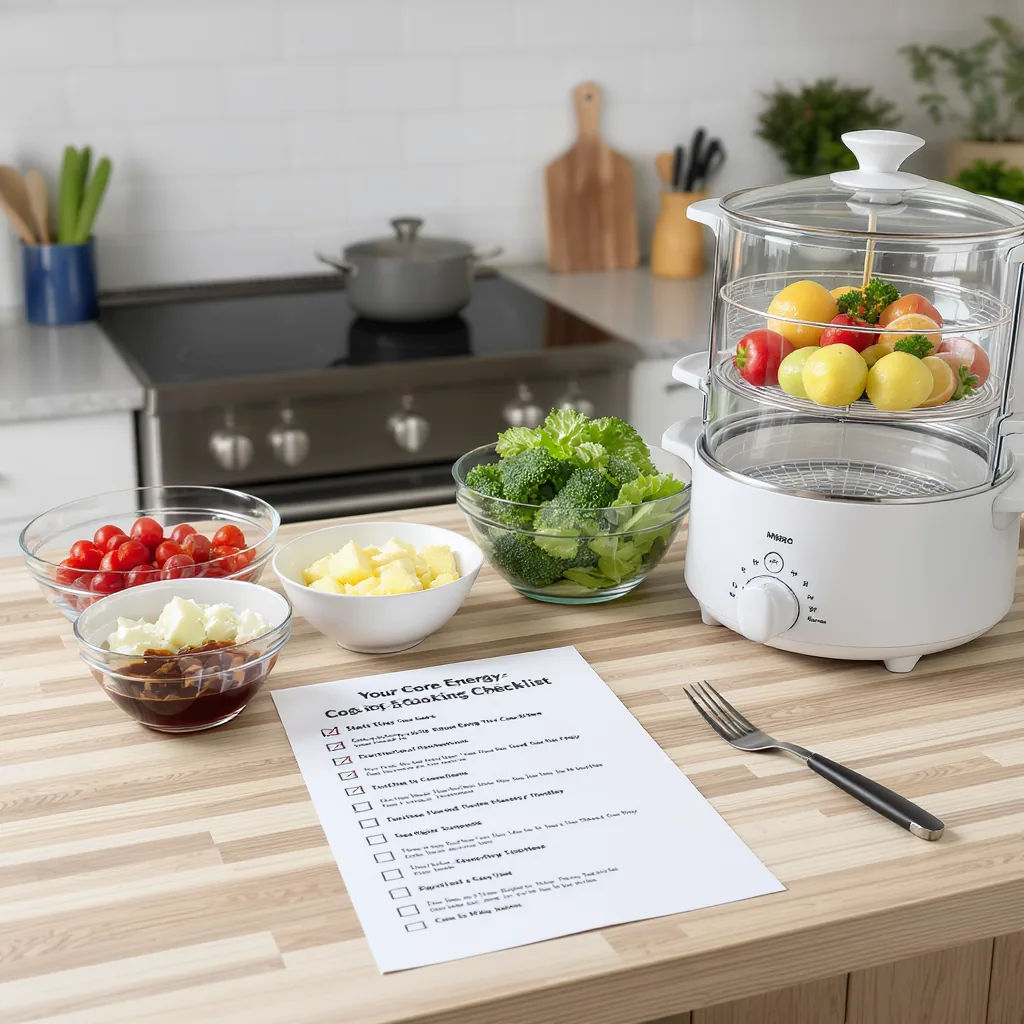
This isn’t a list of generic tips. It’s a kitchen workflow checklist designed to be followed in sequence, turning chaotic cooking into an efficient meal session plan. Follow these three phases to cut energy use and waiting time dramatically.
Phase 1: The Pre-Session Setup (Before Any Heat)
- Plan your menu strategically. Group dishes that use the same appliance (oven, stovetop) to cook them all in one session.
- Defrost frozen items in the fridge overnight. Never use appliance power to do what time can do for free.
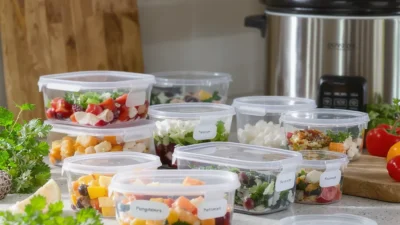
- Gather every ingredient, tool, and pan you’ll need. This “mise en place” prevents frantic, energy-wasting searches mid-cook.
- Pre-chop all vegetables and measure all liquids/spices.
- Use the right-sized cookware for the job and your burner. A small pot on a large burner wastes over 40% of the heat.
Phase 2: The Active Cooking Session (Smart Heat Management)
- Only preheat the oven for baked goods. For casseroles, roasted veggies, or reheating, you can often put food in as the oven heats.
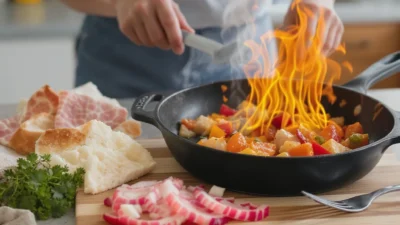
- Use lids on pots and pans. This simple act traps heat, reduces cooking time by up to two-thirds, and slashes energy use.
- Match burner size to your pot or pan. Flame or coil should not creep up the sides.
- Use residual heat. Turn off the electric burner or induction cooktop 1-2 minutes before food is done; the retained heat will finish the job.
- Batch similar tasks. Boil all pasta water, then steam vegetables in a basket above it. Roast multiple trays of veggies at once.
Phase 3: The Post-Cooking Wind-Down (Harness Free Energy)
- Let the oven’s residual heat warm plates or dry herbs after you turn it off.
- Don’t open the oven door to check food. Use the light and window. Each peek can lower the temperature by 25°F or more.
- Run full loads only. Wait until the dishwasher or laundry is full before running it, and use eco-settings.
- Unplug countertop appliances like toasters and electric kettles when not in use to avoid phantom load.
Why This Sequence Saves More Than Just Switching to LED Bulbs

Photo by Tammy Mosley on Pexels
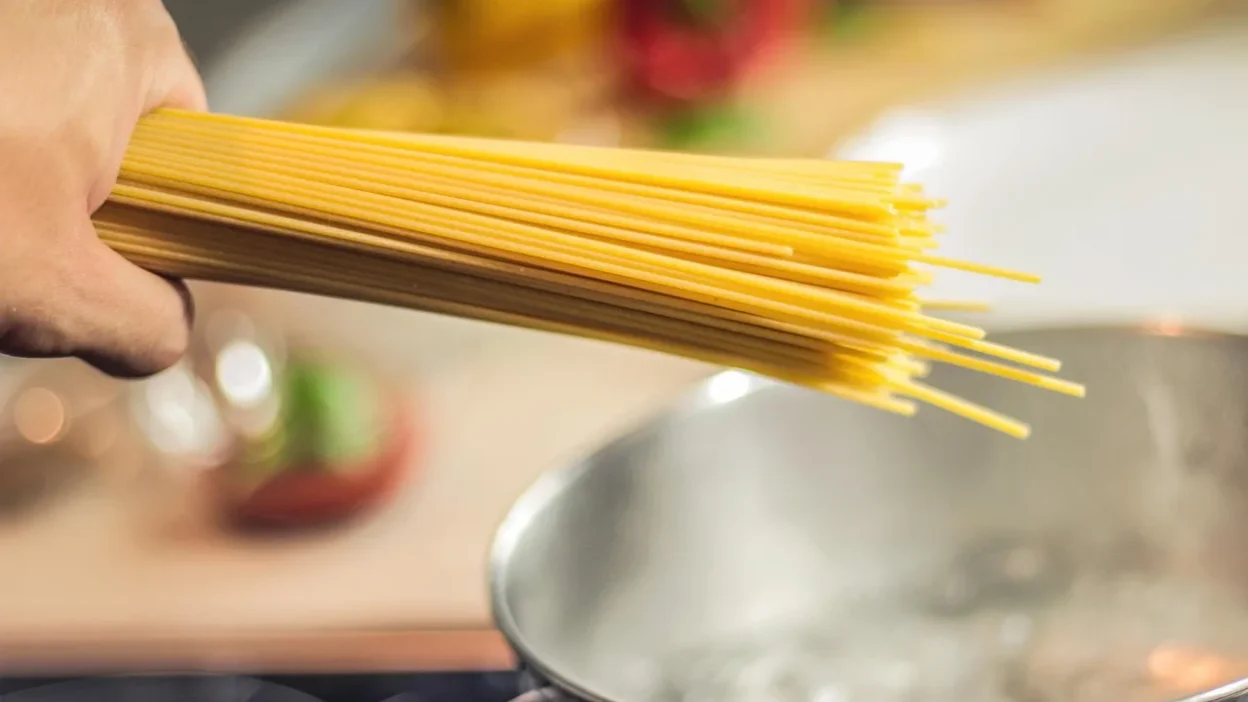
Let’s make it real. Imagine two cooks making the same simple weeknight pasta with steamed broccoli.
Cook A (No Plan): Starts boiling a small pot of water. Realizes the broccoli isn’t cut. Cuts it while the burner blasts at full power. Searches for the steamer basket. Finally steams the broccoli in a separate pot. The pasta finishes first and sits, getting cold, while the broccoli cooks. Total active burner time: ~25 minutes across two burners.
Cook B (Checklist User): Fills a large pot with the exact water needed, puts a steamer basket on top, and brings it to a boil with a lid on. Adds pasta to the water below and broccoli to the basket above simultaneously. Turns off the heat 2 minutes early, letting residual heat finish both. Uses one burner for ~12 minutes.
The difference? Cook B used less than half the direct energy and saved 10+ minutes of active time. This cooking session checklist energy saving approach compounds over every meal. While LED bulbs save watts, optimizing your kitchen workflow checklist appliances use saves kilowatt-hours—the units on your bill.
Smart Habits vs. Common Energy Drains
Reinforce your checklist mindset with these direct comparisons. The right habit often requires zero extra effort, just a shift in timing.
DO: Thaw meat in the fridge for 24 hours.
DON’T: Run it under hot water or use the microwave’s defrost cycle, which uses significant power unevenly.
DO: Preheat a toaster oven for small items instead of your full-sized oven.
DON’T: Heat 5 cubic feet of space to cook two slices of garlic bread.
DO: Keep refrigerator and freezer coils clean and doors sealed tight.
DON’T: Stand with the fridge door open while deciding what to eat, letting cold air spill out.
DO: Use a pressure cooker or slow cooker for tough cuts of meat and stews.
DON’T: Simmer a pot on the stovetop for 4 hours when an appliance designed for efficiency can do it better.
DO: Cover liquids when heating them in the microwave to retain steam and speed up the process.
DON’T: Heat a mug of water for tea without a cover, requiring more time and cycles.
Mistakes That Undo Your Efficiency Gains
You can follow 90% of the checklist but still waste the savings with one of these common oversights. Avoid these pitfalls to lock in your gains.
Over-preheating the oven. Most ovens reach 350°F in 7-10 minutes. Preheating for 20+ minutes is pure waste. Set a timer.
Using a dirty stovetop burner or oven. Caked-on grime on electric coils or gas burners reflects heat poorly, making them work harder and longer to reach temperature.
Overfilling the kettle. Boiling 8 cups of water for one cup of tea uses up to 8 times more energy than needed. Heat only what you’ll use.
Running a half-empty dishwasher right after dinner. A dishwasher uses the same energy and water whether it’s half-full or completely full. Wait until you have a full load, even if it means running it the next morning.
Using the wrong cookware. Warped pans that don’t sit flat on the burner, or thin-bottomed pots on induction cooktops, create poor thermal contact and dramatically increase cooking time.
Your Next Cooking Session Starts Now
The biggest waste in your kitchen isn’t an old appliance—it’s an unplanned session. This checklist gives you the structure to change that, turning intention into immediate action.
Don’t just read it and move on. The real savings begin when you use it. Print it, save it to your phone, or stick it on your fridge. Then, commit to following this efficient meal session plan for your very next dinner. You’ll immediately notice less clutter, less stress, and less time chained to the stove.
That lower energy bill and reclaimed evening time? They’re not waiting for a new gadget. They’re waiting for you to start your next meal with this plan in hand. Do it tonight.