You’re about to roast vegetables. Do you chop everything first, then turn on the oven? Or fire up the oven immediately and prep while it heats? This small moment of hesitation is the heart of a bigger kitchen efficiency question. The order in which you perform these tasks—your cooking prep sequence—directly impacts how long your appliances run, which in turn affects your energy use and utility bills. In the debate of prep first vs heat first cooking, each approach is a distinct philosophy for reducing appliance run time. One prioritizes maximizing the appliance’s active cooking time, while the other focuses on synchronizing the cook’s efforts with the heat source. Understanding when to use which can transform your routine from a series of small energy drains into a model of efficient cooking.
The best way to cut appliance run time depends on your meal and appliance. For most oven-roasted dishes, use the Prep First method: complete all chopping, seasoning, and pan-prepping before turning on the oven. This ensures the appliance only runs when it’s actively cooking food. For quick-cooking methods like stovetop stir-fries or boiling water, use Heat First: start heating the pan or water while you do your final prep steps to minimize idle heat time.
The Prep First Philosophy: Maximizing Active Cooking Time
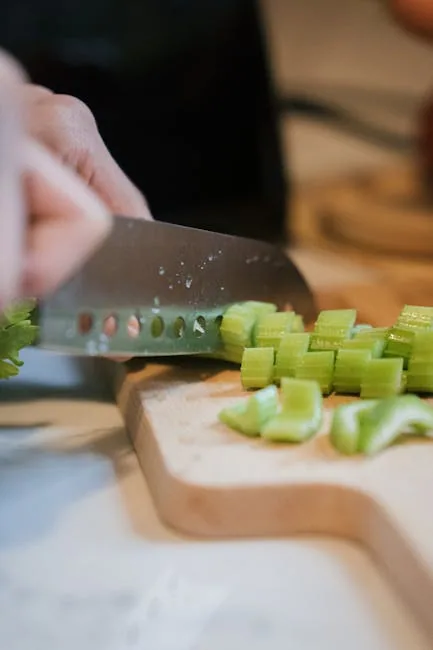
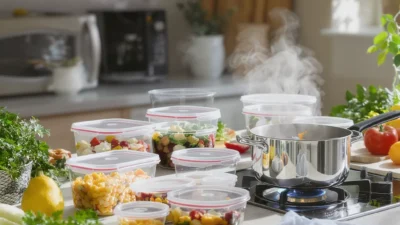
Photo by Mike Jones on Pexels
This method is exactly what it sounds like: you complete every single prep task before you even think about turning on an appliance. It’s the classic mise en place approach, where all ingredients are chopped, measured, seasoned, and your pan is ready to go. Only then do you activate the oven, stovetop, or slow cooker.
The core principle is simple: your appliance should only run when it’s actively cooking food, not idling at temperature while you scramble to finish prep. This is the most direct path to reduce appliance run time cooking and cut down on wasted energy.
When to Choose Prep First
This strategy shines in specific scenarios. It’s the default for most oven-based cooking. Think about roasting a whole chicken or baking a casserole—these tasks have long, passive cook times. By prepping first, you ensure the oven’s entire runtime is dedicated to transforming raw food into a meal, not just heating empty air. The same logic applies to slow cookers and air fryers.
The benefits are clear: superior energy efficiency, less risk of burning something because you got distracted while prepping, and better overall timing control for your meal. For a reliable efficient cooking prep sequence that prioritizes your utility bill, Prep First is often the best bet. You can learn more about foundational kitchen efficiency from resources like the U.S. Department of Energy’s kitchen efficiency guide.
The Heat First Strategy: For Speed and Synchronization
Heat First flips the sequence. Here, you turn on the burner or start heating the water while you’re doing your final prep steps. The goal isn’t to waste energy, but to synchronize the completion times of your prep work and your heating element.
This method is about optimizing the cook’s time, not necessarily the appliance’s time. For example, if it takes 10 minutes to bring a large pot of water to a boil and 8 minutes to chop vegetables for pasta sauce, starting the water first means both tasks finish at roughly the same moment. You avoid standing around waiting for the water to boil.
When to Choose Heat First
This strategy is ideal for quick-cooking methods, especially on the stovetop. Use it when boiling water for pasta, eggs, or blanching vegetables. It’s also perfect for preheating a skillet, cast-iron pan, or griddle for searing meats or making pancakes—the pan needs to be screaming hot the moment your food hits it.
The primary benefit is a faster overall meal-to-table time. The key is to be ready to go the moment the appliance reaches its target temperature. Letting a full kettle boil for five minutes or a skillet sit at high heat empty for too long negates any time savings and wastes energy. Used judiciously, it’s a fantastic prep vs preheat strategy for busy weeknights.
Prep First vs. Heat First: Your Decision Guide
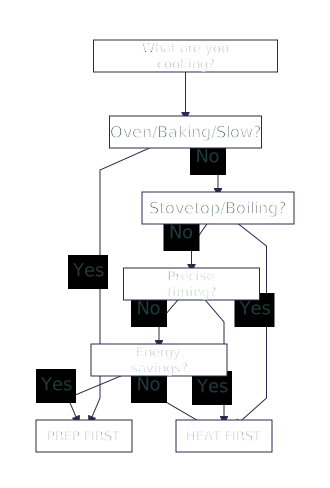
So, how do you decide in the moment? Use this quick comparison table and flowchart to choose the right cooking prep order for energy savings.
| Decision Factor | Prep First Method | Heat First Method |
|---|---|---|
| Best For Appliances | Ovens, slow cookers, air fryers, toaster ovens. | Stovetops (burners), electric kettles, rice cookers. |
| Best For Foods | Roasts, baked goods, casseroles, anything with a long cook time. | Pasta, boiled eggs, stir-fries, seared meats, anything requiring a very hot surface. |
| Primary Goal | Maximize appliance efficiency & energy savings. | Minimize the cook’s idle time & total meal prep time. |
| Energy Impact | Lower. Appliance runs only when actively cooking. | Higher risk. Can waste energy if prep outpaces heating. |
| Key Risk if Wrong | Longer overall timeline (waiting for appliance to heat). | Wasted energy from an idling hot burner or oven. |
Your choice often comes down to a simple question: Is the heating time longer than your prep time? If yes (like an oven preheating to 425°F), prep first. If no (like boiling a small pot of water), heat first.
Putting It Into Practice: Real Kitchen Scenarios
Let’s apply the guide to common tasks. This turns theory into actionable habit.
Scenario 1: Roasting Root Vegetables
Task: Chopping carrots, potatoes, and parsnips, tossing with oil, and roasting at 400°F.
Method: Prep First. The oven takes 15+ minutes to preheat, but chopping veggies takes 10. Complete all prep, then turn on the oven. This is the definitive way to cut oven run time.
Scenario 2: Making Spaghetti
Task: Boiling water for pasta while making a quick sauce.
Method: Heat First. Fill your pot, salt the water, and put it on high heat. While it comes to a boil, you can crush garlic, chop herbs, and get your sauce ingredients ready. The water and your prep will be ready together.
Scenario 3: Weeknight Stir-Fry
Task: Cooking thinly sliced beef and vegetables in a wok.
Method: Heat First, but with a caveat. Get your wok or skillet heating over high heat while you do your absolute final prep (like mincing garlic). But all major veggie and protein chopping should be done beforehand (prep first) so you can cook swiftly once the oil is shimmering. This hybrid approach balances speed and reduce stove top energy use.
The Efficient Kitchen Takeaway
Neither cooking sequence is the universal winner. The real skill lies in knowing which tool to use for the job. The Prep First philosophy is your go-to for maximizing appliance efficiency and saving energy, especially with ovens. The Heat First strategy is your secret for shaving minutes off busy weeknights on the stovetop, provided you’re organized enough to avoid idle heat.
As a default, lean toward Prep First—it’s the safer bet for your wallet and the planet. Use Heat First judiciously for tasks where timing is tight and the heating time is short. By consciously choosing your sequence, you transform an everyday habit into a simple act of efficiency.