You reach for the knob, turn it, and the familiar hum or *click-woosh* fills the kitchen. You place your pan, wait for it to heat, and begin to cook—just like you always do. But here’s the quiet inefficiency most of us miss: we often use a gas and an electric stovetop in exactly the same way, treating them as interchangeable sources of “hot.” That habit, more than the appliance itself, is what wastes energy and undermines your cooking. The truth is, mastering gas vs electric stovetop efficiency habits isn’t about choosing a winner; it’s about understanding that you’re working with two fundamentally different tools. One delivers instant, visual heat you can modulate with a flick of the wrist; the other provides slower, radiant heat that requires a bit more foresight. This article is your practical toolkit for that understanding, followed by the specific routines that will make you a more efficient—and more confident—cook on whichever one you have.
Here’s how to adapt your cooking habits for maximum efficiency on gas and electric stovetops. The best way to save energy starts with understanding that gas provides instant, visual heat you can modulate quickly, while electric (coil or smooth-top) delivers slower, radiant heat that requires more foresight. For gas, match the flame to the pan bottom and use simmer settings. For electric, preheat strategically and use residual heat. Avoid the common mistake of treating them the same.
The Core Difference: Instant Flame vs. Radiant Heat
Your gas vs electric stovetop efficiency habits must start with one simple truth: these are two fundamentally different tools. Treating them the same is the quickest way to waste energy. The difference isn’t just about fuel; it’s about how heat is delivered and how you, the cook, receive feedback.
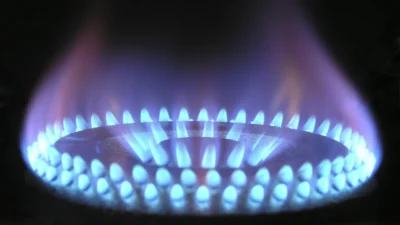
A gas burner gives you instant, visual, and tactile control. You turn the knob, you see the flame, and you feel the heat almost immediately. This direct connection allows for rapid modulation—you can drop from a boil to a simmer in seconds. The heat source is also concentrated and convective, which is why a flame that licks up the side of a pan is wasted energy.
An electric cooktop (whether coil or smooth-top) works on radiant heat. The element heats up, transfers that heat to the cookware, and then the cookware heats your food. This process is slower to start and slower to stop. The element retains heat long after you turn it down, a phenomenon known as “residual heat.” Your primary feedback isn’t a visual flame, but the behavior of your food and the cookware itself. This requires a shift from reactive cooking to planned cooking.
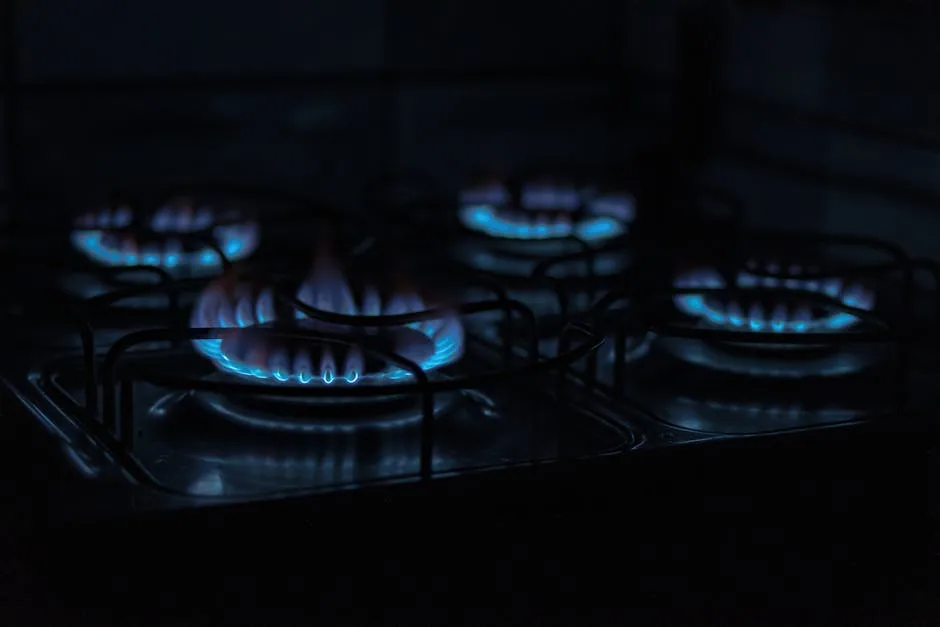
Photo by Honye Sanges on Pexels
Gas Stovetop Habits That Actually Work
For gas, efficiency is about precision and containment. Your goal is to direct every bit of that blue flame’s energy into your pan, not the air around it.
DO:
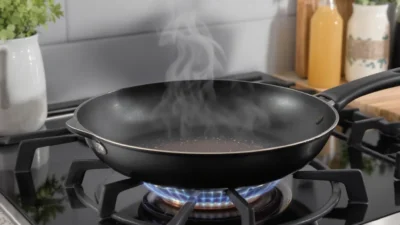
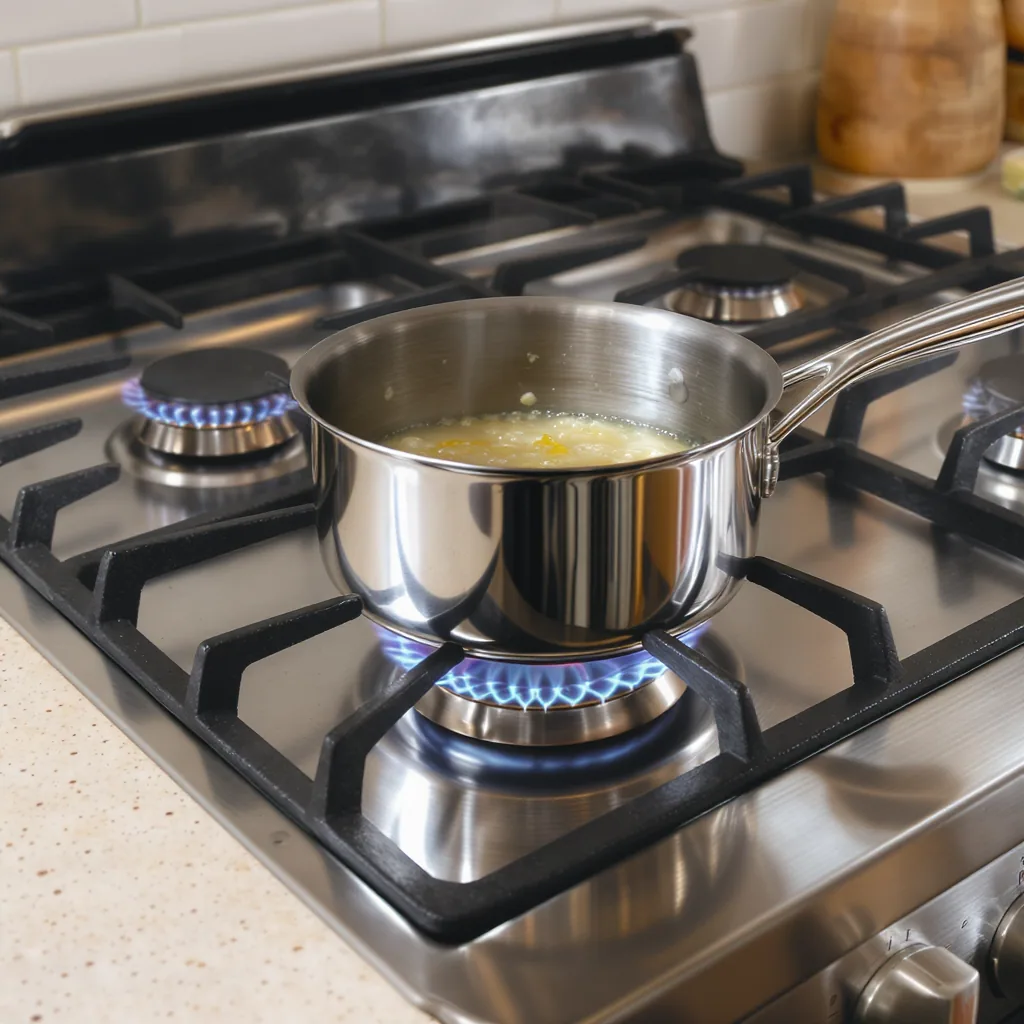
- Match the flame to the pan bottom. This is the golden rule of efficient burner use. A flame should be just slightly smaller than the pan’s base. A large flame wrapping around a small pan heats your kitchen, not your dinner.
- Use the simmer setting. Modern gas stoves have dedicated simmer burners or settings for a reason. A tiny, steady flame uses minimal gas to maintain a low temperature perfectly.
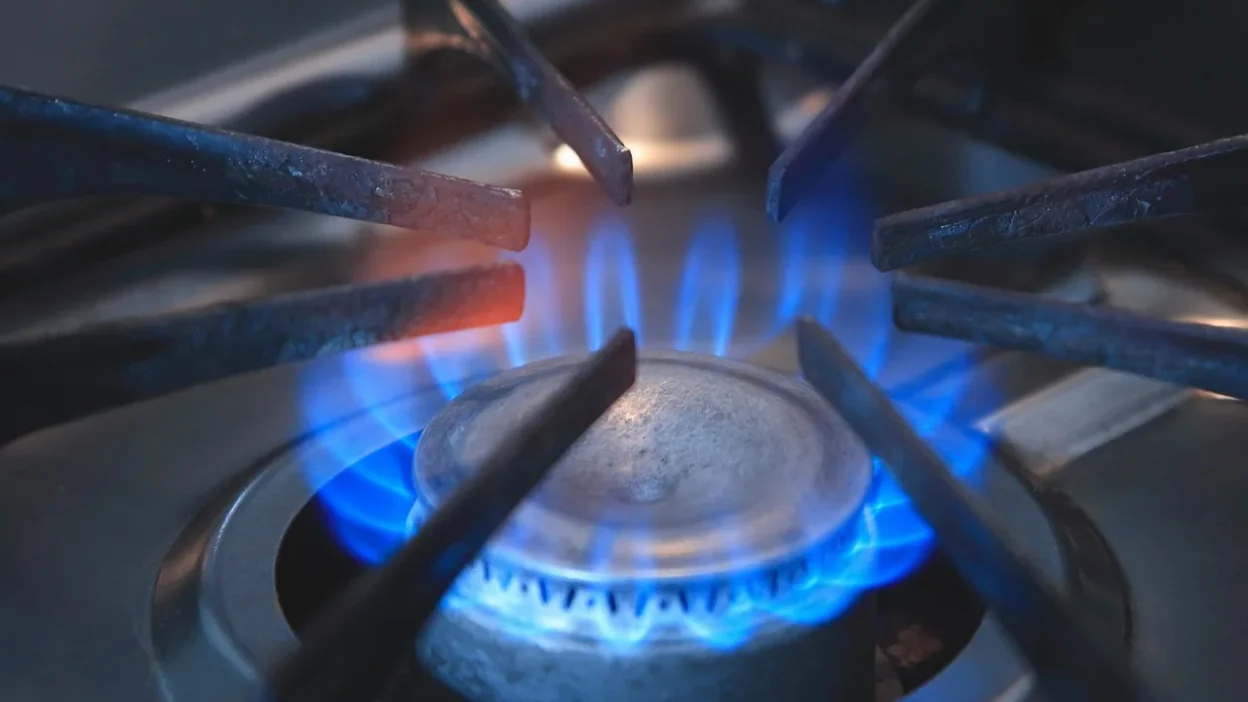
- Keep burners clean. Clogged ports disrupt the air-fuel mix, leading to inefficient, sooty yellow flames. A quick clean with a pin or a stiff brush ensures a clean, hot, blue flame. The U.S. Department of Energy notes that proper maintenance is key to appliance efficiency.
- Turn it off the moment you’re done. There’s no cooldown period to leverage.
DON’T:
- Let flames “lick” up the sides of your cookware. This is pure waste.
- Default to cranking every burner to high. Start at medium-high to bring liquids to a boil, then reduce. A roaring high flame is rarely needed.
- Ignore a constantly burning pilot light on an older stove. It’s a small but continuous gas drain. If it’s an option, consider converting to electronic ignition.
Electric Stovetop Habits That Actually Work
Electric stovetop energy saving tips revolve around anticipation and leveraging the cooktop’s inherent behavior. You’re managing thermal momentum.
DO:
- Preheat strategically. For tasks like searing meat or cooking pancakes, turn the burner to your target temp 2-3 minutes before adding the pan. For boiling water, start with a lid on high, but you can often achieve a rolling boil at a medium-high setting once it’s hot.
- Harness residual heat. When you need to simmer, turn the element off 2-5 minutes before the food is done. The stored heat in the coil and cooktop will finish the job without using more electricity.
- Use flat-bottomed, heavy pans. Warped pans create an air gap, dramatically reducing heat transfer and forcing you to use higher temps for longer.
- Keep the smooth-top surface impeccably clean. Burnt-on food acts as an insulator, making the element work harder and longer to heat your pan.
DON’T:
- Use warped or dented cookware. This is the single biggest culprit for slow, inefficient electric cooking.
- Crank a large burner to max just to boil a small pot of water. Match the burner size to the pot.
- Slide pans aggressively on a smooth-top. This can scratch the surface, which not only looks bad but can create hotspots and reduce efficiency over time.
- Assume “high” is always necessary. Electric elements get very hot. You can often achieve excellent results at medium or medium-high, saving significant energy.
Your Efficiency Routine: A Side-by-Side Scenario
Let’s make the mental shift concrete. Imagine you’re making pasta with a simple sauce. Here’s how efficient stovetop practices differ from the first turn of the knob.
Task: Boil water, then simmer a tomato sauce.
On Gas: You place your large pot of water on a burner matched to its size. You turn it to medium-high (not max) and put the lid on. The flame is instantly at work. Once a vigorous boil is achieved, you add pasta. For the sauce, you use a smaller burner. You start it at medium to warm the pan, add oil and garlic, then quickly turn it down to the dedicated simmer setting once the tomatoes are added, maintaining a gentle bubble with minimal gas.
On Electric: You place your large pot of water on a large burner. You turn it to high and put the lid on, knowing it will take a few minutes. You start the sauce in a separate pan on a smaller burner set to medium about 2 minutes later, so both are heating. Once the water boils, you add pasta and can often reduce the heat to medium-high to maintain the boil. For the sauce, once it starts bubbling, you turn the burner off entirely. The residual heat in the element and pan will keep it at a perfect simmer for the next 5-7 minutes, cooking the sauce without using another watt of power.
The routine isn’t better or worse on either—it’s just different. Gas requires constant, attentive adjustment. Electric rewards foresight and using stored energy.
Cook Smarter, Not Harder
Efficiency in the kitchen isn’t about buying a new, fancy appliance. It’s about mastering the one you have. The most impactful gas vs electric cooking habits come from respecting the core physics of your stove: the instant response of flame or the patient radiance of a heating element.
Your decisive next step is simple: Tonight, cook one meal with your stovetop’s native strengths in mind. Match the flame, plan for the residual heat, and feel the difference. You’ll save energy, gain control, and probably get better results on your plate. That’s a win for your wallet, your kitchen, and your dinner.