Choosing between your air fryer and oven for that bag of frozen fries or pizza isn’t about finding the “best” appliance—it’s about solving for your specific kitchen constraints. The common debate around air fryer vs oven for frozen foods energy use is often misleading, focusing on wattage instead of practical reality. The most efficient choice isn’t universal; it hinges on the immediate trade-offs between your time, the quantity you’re cooking, and the texture you crave. Let’s cut through the specs and start with the limitations that actually decide your dinner’s fate.
Here’s how to decide between an air fryer and an oven for frozen foods based on energy efficiency. For speed and small batches, the air fryer wins, using less energy by heating a smaller space quickly. For large quantities or foods needing even browning, the oven is more efficient per item. Your choice hinges on portion size, cook time, and desired texture.
The Core Constraint: It’s Not Just About Watts
When comparing an air fryer vs oven for frozen foods energy use, many people look at wattage. An air fryer often has a higher wattage (around 1500-1800W) than a typical oven element. This leads to a common misconception: that the air fryer must be the bigger energy hog. But that’s not how it works in your kitchen. Total energy consumption is about power multiplied by time, and this is where the real constraints come into play.
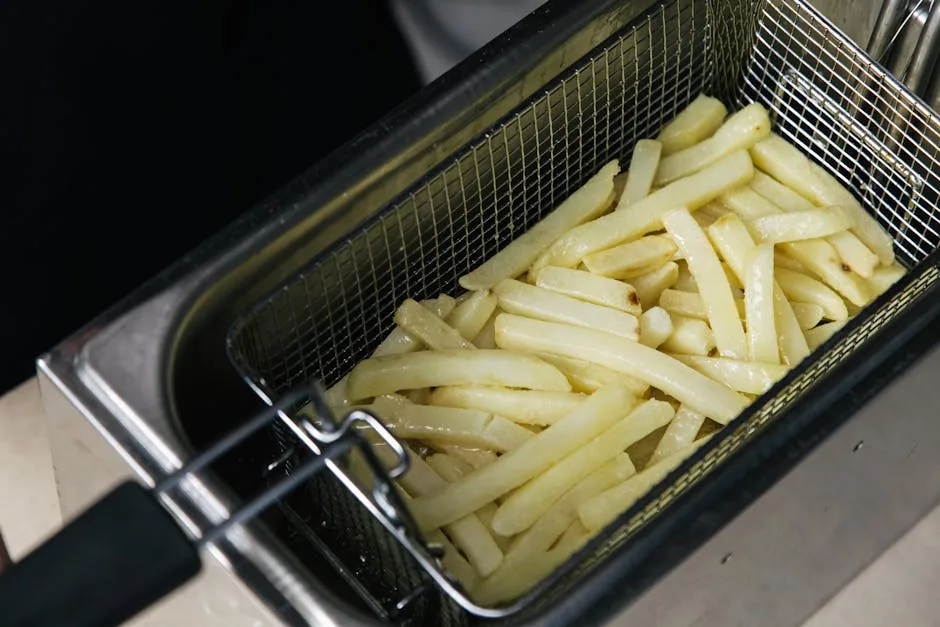
Photo by Ron Lach on Pexels
1. Preheating Time & Energy
A conventional oven can take 10-15 minutes to reach a high temperature, drawing power the entire time. An air fryer’s small cavity heats up in just 2-3 minutes. For a quick snack, the oven spends more energy just getting ready than the air fryer uses for the entire cook.
2. Cavity Size & Batch Cooking
This is the biggest factor. Heating a 5-cubic-foot oven to cook one serving of fries is incredibly inefficient. An air fryer heats a fraction of that space, directing all its energy right at your food. However, the equation flips for large batches. Cooking two full trays of frozen foods in the oven at once is often more energy efficient per item than running the air fryer multiple times.
3. Heat Transfer Method & Food Type
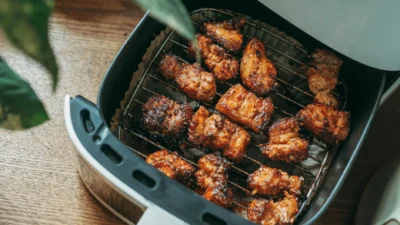
Air fryers work by rapidly circulating super-heated air. This is perfect for achieving a crispy exterior on foods like fries, nuggets, or spring rolls quickly. Ovens use radiant and convective heat (if it’s a convection oven), which is better for foods that need gentle, even heating from all sides, like a frozen pizza or lasagna. Choosing the wrong tool can mean longer cook times and wasted energy.
Air Fryer vs Oven: A Side-by-Side Breakdown
This direct air fryer oven comparison for frozen food cuts through the noise. The table below shows how each appliance performs across the key metrics that matter for frozen food cooking energy efficient results.
| Criteria | Air Fryer | Oven |
|---|---|---|
| Energy Efficiency | Winner for small batches. Uses less total energy by heating a small space quickly and avoiding long preheat times. | Winner for large batches. More efficient per item when the cavity is fully utilized. Preheating for a single item is wasteful. |
| Speed | Faster. Cooks most frozen foods 20-40% faster than a conventional oven, thanks to intense air circulation. | Slower. Requires preheating and longer cook times, especially for foods that need crispiness. |
| Ideal Frozen Foods | Fries, nuggets, wings, spring rolls, hash browns, single-serve pastries, frozen vegetables. | Pizza, lasagna, family-size casseroles, garlic bread, anything on a sheet pan, multiple trays of food at once. |
| Batch Capacity | Small (1-2 servings). Overcrowding leads to poor results and may require multiple cycles. | Large (4+ servings). Can cook multiple trays simultaneously for a crowd. |
| Texture Result | Super crispy, fried-like exterior with a tender interior. Excellent for “crunchy” foods. | Even browning and heating. Better for foods where you want melted cheese or a uniform bake without over-drying edges. |
As you can see, the air fryer vs oven electricity debate has a clear answer: it depends entirely on what you’re cooking and how much of it. There is no universal winner.
Your Decision Guide: When to Choose Which
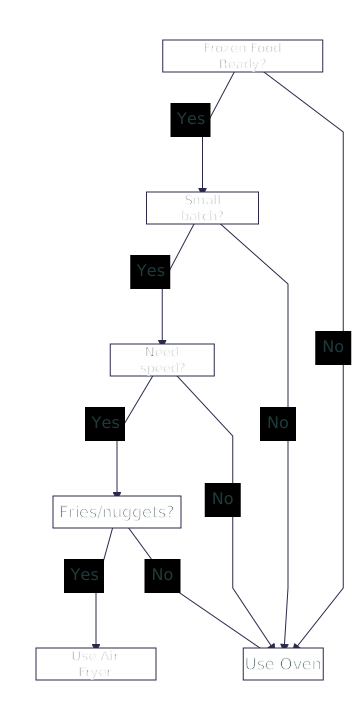
Let’s translate that data into a simple decision-making process. Use this guide—or the flowchart below—to instantly know which appliance to grab from your cupboard.
Choose the Air Fryer When:
- You’re cooking 1-2 servings. This is its sweet spot for cooking frozen food efficiently.
- Speed is a priority. You want food on the table in under 15 minutes, from frozen to plate.
- The goal is maximum crispiness. Think frozen fries, chicken wings, or vegetable tots.
- It’s a small item that would rattle around in a big oven.
Choose the Oven When:
- You’re feeding a family or cooking in bulk. Filling the oven with two sheet pans of nuggets or fries uses less energy per serving than multiple air fryer batches.
- You’re cooking a frozen pizza, lasagna, or casserole. These need the oven’s even, surrounding heat to cook properly.
- You want hands-off, set-and-forget cooking. Load it up, set the timer, and you’re done.
- You need to cook multiple different types of frozen food at once.
For example, cooking a single-person serving of fries? The air fryer’s energy consumption will be lower. Making fries for a family of four? The oven energy use for that frozen food load will likely be more efficient overall.
Beyond Energy: The Trade-Offs You Can’t Ignore
While energy efficiency is a smart goal, it’s not the only factor in a real kitchen. Sometimes, other trade-offs justify choosing the “less efficient” appliance for your needs.
Convenience often trumps a few cents of electricity. The air fryer’s lack of a required preheat is a huge time-saver, and its quick cleanup (often just a basket) can be worth more than marginal energy savings. If you live in a small apartment without an oven, or if your oven is broken, the air fryer isn’t just efficient—it’s essential.
Conversely, if you already have a high-quality convection oven, the difference in speed and texture for some foods may be minimal, making the oven the more versatile choice. The initial cost of buying an air fryer is also a factor. If you rarely cook frozen foods or always cook in large batches, the energy savings may never offset the purchase price.
The right choice balances the numbers with your personal reality. The most energy efficient cooking method is useless if it doesn’t fit your lifestyle, kitchen, or hunger timeline.
Making the Smart Choice for Your Kitchen
So, who wins the battle of air fryer vs oven for frozen foods? The answer is firmly “it depends.” By focusing on your core constraints—portion size, cook time, and the specific food you’re preparing—you can consistently make the most energy-efficient and effective choice.
For quick, crispy small batches, the air fryer is your champion. For large-family meals or foods needing even browning, the oven takes the crown. Remember that the most sustainable choice is often the one you’ll actually use without frustration. Sometimes, the value of a few saved minutes or easier cleanup outweighs a minor difference on your energy bill. Keep this constraints-first framework in mind, and you’ll never second-guess your appliance choice again.